



- The TSA has shared traveler data with ICE over 31,000 times since early 2025, leading to more than 800 immigration arrests.
- This data-sharing represents a significant expansion of a program originally designed for counter-terrorism into routine immigration enforcement.
- The collaboration intensified during a partial government shutdown when ICE agents were deployed to airports to assist TSA.
- The policy has drawn sharp criticism from Democrats and immigration advocates, who argue it sows fear and represents mission creep.
- The Department of Homeland Security defends the practice as a necessary tool for enforcing immigration law under the current administration.
In a significant expansion of interior immigration enforcement, the Transportation Security Administration (TSA) has provided traveler data to Immigration and Customs Enforcement (ICE) over 31,000 times since the start of 2025, leading to the arrests of more than 800 individuals. This systematic sharing of information, first reported by Reuters and confirmed by NewsNation, marks a pivotal shift in the use of a security system originally conceived to prevent terrorism. The collaboration, which intensified during a recent partial government shutdown, has ignited a fierce debate over the role of airport security, the boundaries of immigration enforcement, and the balance between national security and civil liberties.
The mechanics of data sharing
The data flow originates from the TSA’s Secure Flight Program, established in 2007 in the aftermath of the 9/11 attacks. The program’s stated purpose is to vet airline passengers against government watchlists to prevent known or suspected terrorists from boarding aircraft. Historically, information sharing between TSA and ICE focused on these specific national security threats. However, internal data shows that beginning in early 2025, the program’s reach broadened substantially to flag individuals for potential immigration violations. While the exact matching criteria remain undisclosed, a Department of Homeland Security official described the practice as longstanding, though the scale is newly revealed.
Airports as immigration checkpoints
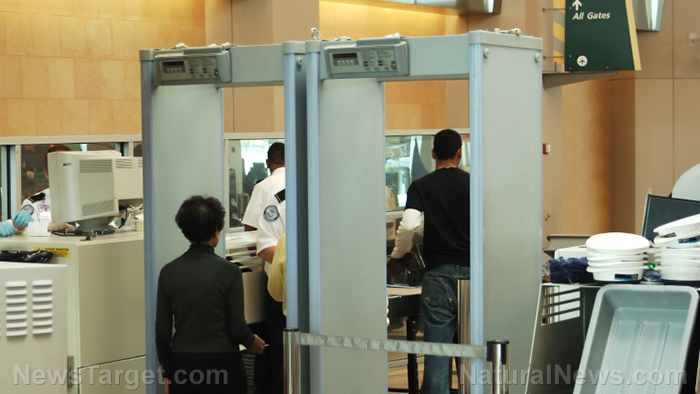
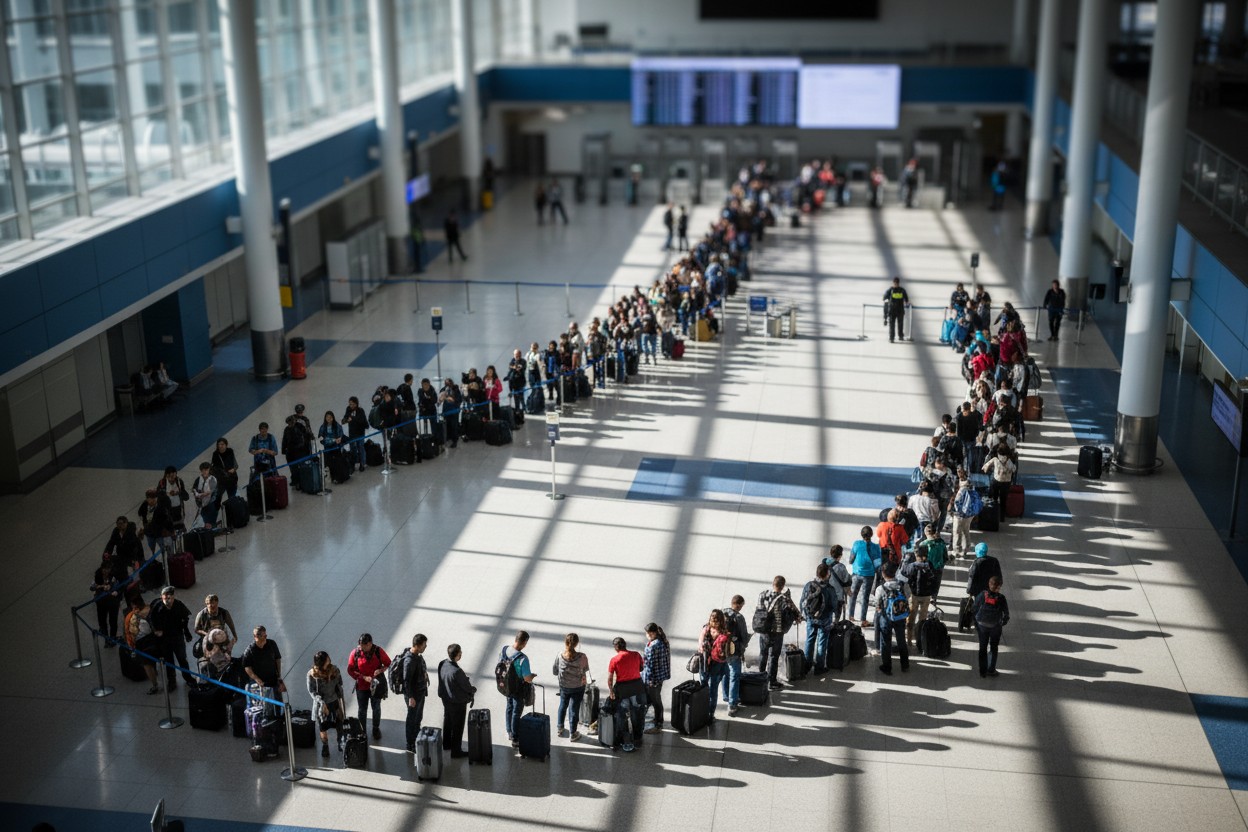
The partnership moved from data analysis to physical presence in March 2026. A partisan impasse over funding for DHS led to a partial shutdown, causing TSA officers to miss paychecks and prompting staffing shortages. In response, the administration deployed ICE officers to assist at security checkpoints in at least 14 major U.S. airports. Officials stated the primary goal was to keep security lines moving, but they also confirmed ICE would arrest “criminals” encountered in the process. This deployment effectively transformed airport security zones into active immigration enforcement venues, a departure from ICE’s traditional focus on targeted operations involving individuals with criminal records or existing deportation orders.
Controversy and human impact
The policy has generated substantial political and legal controversy. More than 40 Democratic members of Congress have condemned the airport deployments, arguing in a letter to Homeland Security Secretary Markwayne Mullin that ICE officers “will cause confusion and fear” among travelers. Immigration attorneys report arrests of individuals with long-standing ties to the U.S., including:
- An Irish couple, detained in front of their children while attempting to fly from Florida to New York, who were later deported despite pending residency applications, leaving minor children behind.
- A Chinese woman detained in Atlanta while traveling to Philadelphia.
- A college student arrested en route to a Thanksgiving celebration.
The DHS has defended these actions, stating those arrested were subject to final orders of removal. Critics, however, contend the practice represents “mission creep,” using a counter-terrorism infrastructure for broader immigration enforcement and ensnaring individuals without violent criminal histories.
Historical context and legal questions
The shift in TSA’s role underscores a recurring tension in U.S. security policy: the use of tools created for specific threats for broader administrative purposes. The Secure Flight Program was born from the post-9/11 imperative to “connect the dots” and prevent attacks. Its adaptation for immigration enforcement raises questions about statutory authority and privacy expectations. Former ICE acting director John Sandweg noted that while TSA data is a logical resource for a “mass deportation” agenda, its use for this purpose is a significant change from past practice, where immigration violators were not a TSA priority. The lack of public data on pre-2025 sharing makes it difficult to assess the full scale of the change.
A redefined security landscape
The revelation that TSA data has facilitated hundreds of immigration arrests signals a profound redefinition of airport security’s role in the United States. What was designed as a narrow gate against terrorism has become a widened funnel for domestic immigration enforcement. The administration frames this as a necessary step to uphold the rule of law and address what it calls a crisis of illegal immigration. Opponents see it as an alarming overreach that risks undermining public trust in essential security screening. As the legal and political battles continue, the nation’s airports now stand not only as gateways for travel but as potent symbols of a deeply polarized debate over security, liberty and the very definition of enforcement.
Sources for this article include:








Please contact us for more information.