


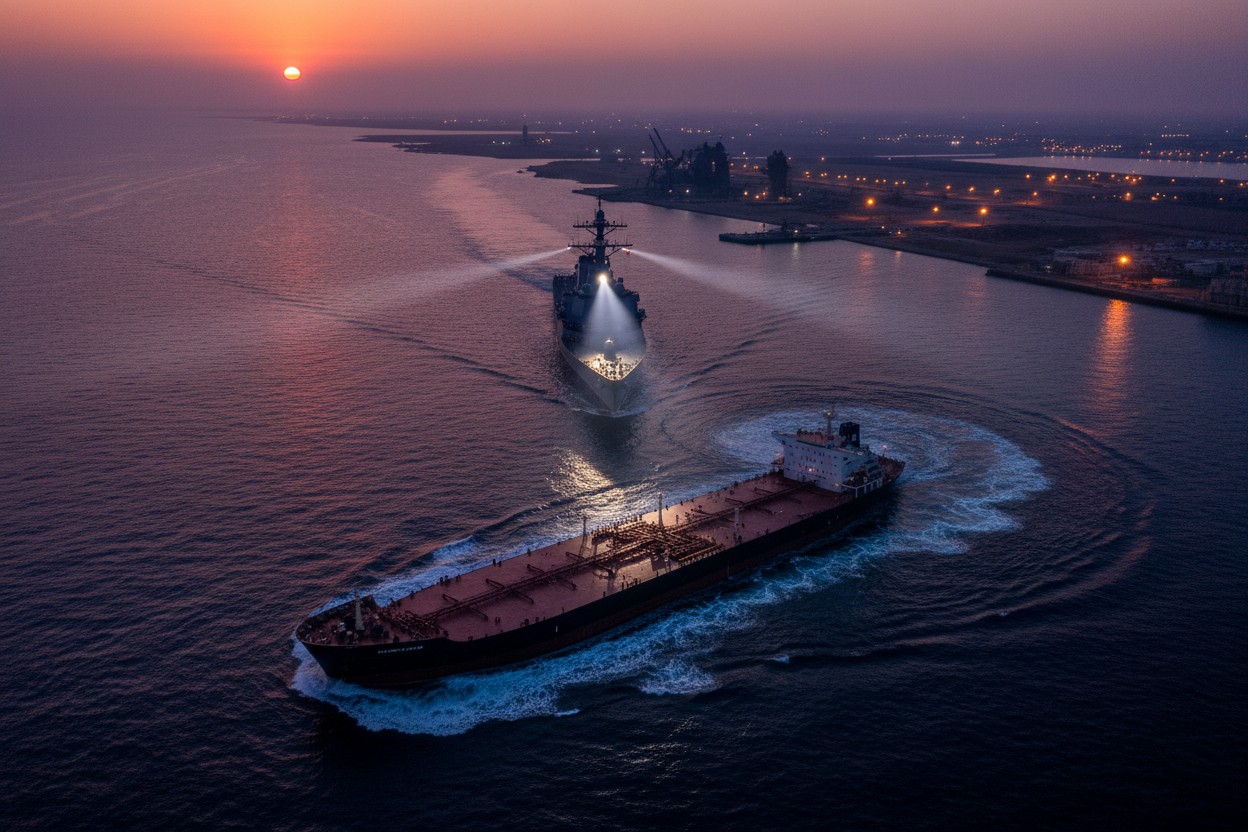
- A U.S. naval blockade of Iranian ports has begun, escalating Middle East tensions.
- Global oil prices surged past $100 a barrel following the blockade.
- Iran threatened regional maritime security in retaliation, calling the move piracy.
- The action risks shattering a fragile ceasefire and drew international criticism.
- The crisis centers on the strategic Strait of Hormuz, a vital global oil chokepoint.
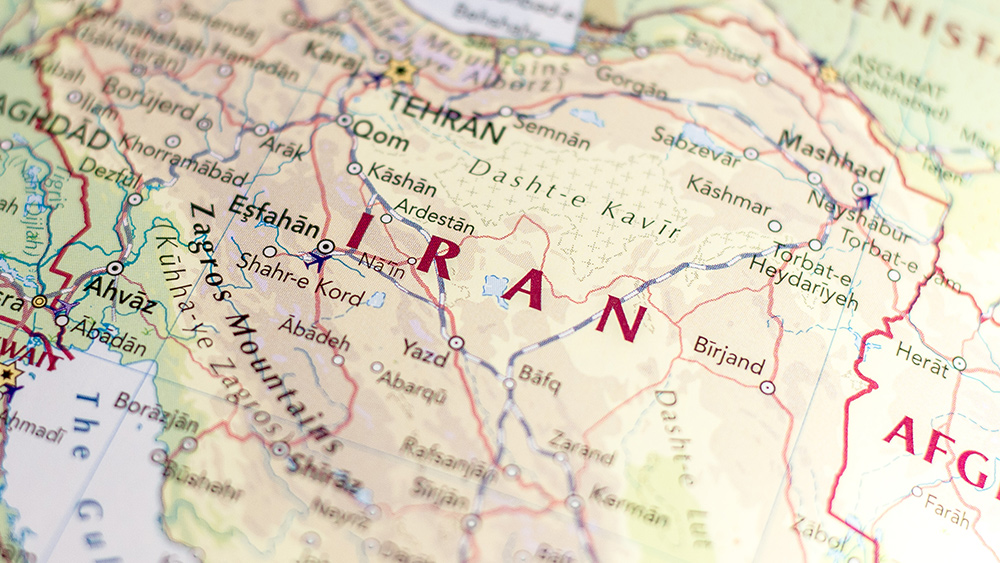
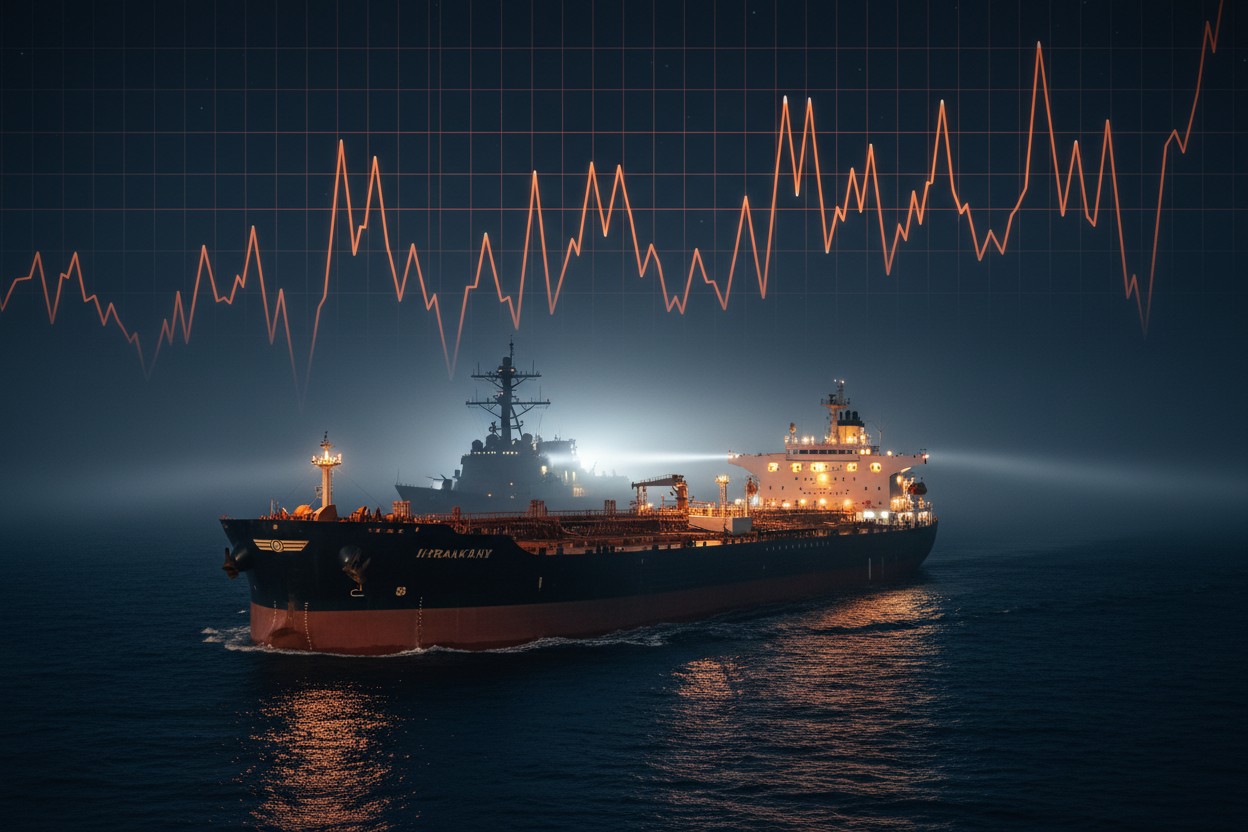
A major U.S. naval blockade of Iranian ports took effect on April 13, dramatically escalating tensions in the Middle East and sending global oil prices soaring past $100 a barrel. The move followed the collapse of marathon U.S.-Iran talks in Islamabad, Pakistan, and triggered immediate international criticism and threats of retaliation from Tehran. The decision places a stranglehold on a critical region for world energy and risks shattering a fragile two-week ceasefire.
The blockade, announced by U.S. Central Command, applies to all vessels calling at Iranian ports in the Persian Gulf and the Gulf of Oman. Enforcement began at 10 a.m. Eastern Time, with the U.S. warning that any unauthorized vessel "is subject to interception, diversion, and capture." This action came directly after 21-hour negotiations broke down, which Tehran blamed on "excessive" and "unreasonable" U.S. demands.
In response, Iran issued a warning. An Iranian military spokesperson called the restrictions "piracy," declaring that if Iranian ports were threatened, "no port in the Persian Gulf or the Sea of Oman would remain secure." Iran's foreign ministry spokesperson, Esmaeil Baqaei, framed the blockade as a self-defeating act, asking, "Can an illegal 'war of choice' be won through a 'revenge of choice' against the global economy?!"
A strategic chokepoint
The crisis centers on the Strait of Hormuz, the narrow passage between the Persian Gulf and the Gulf of Oman. This waterway is arguably the world's most important oil transit channel, with historically about one-quarter of global energy supplies passing through its narrow shipping lanes. Iran borders the strait and controls the islands within it, giving it a strategic position to potentially harass or block traffic. The U.S. blockade is a direct challenge to that leverage.
The immediate economic impact was severe. Benchmark oil prices surged more than 7 percent upon news of the blockade's implementation. The disruption is unprecedented, with analysts at JP Morgan noting, "Reopening the Strait has become the market’s most time-sensitive priority." Iranian Parliament Speaker Mohammad Bagher Ghalibaf taunted the U.S., posting on social media, "Enjoy the current pump figures. With the so-called 'blockade'. Soon you’ll be nostalgic for $4–$5 gas."
International backlash and fraying alliances
The U.S. action drew swift criticism from key nations and revealed cracks in Western alliances. China warned the blockade threatens global trade, stressing the strait must remain "safe, stable, and unimpeded." The United Kingdom stated it would not join the blockade, adding Hormuz "must not be subject to tolling." Spain's Defense Minister Margarita Robles called the plan part of a "downward spiral" that "makes no sense."
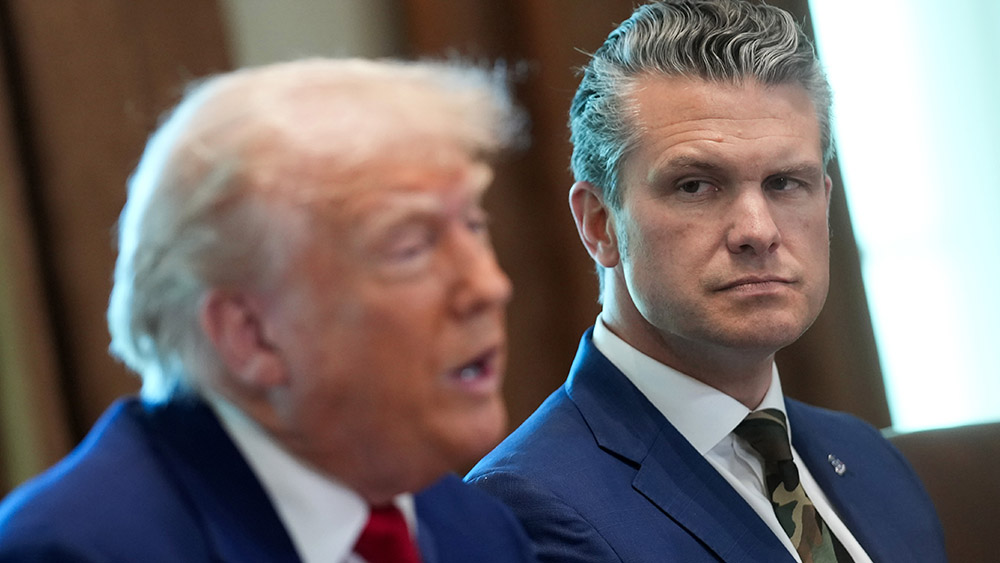
Further complicating the diplomatic scene, President Donald Trump publicly clashed with Pope Leo XIV. The pontiff has been an outspoken critic of the conflict, writing that "God does not bless any conflict" and "no cause can justify the shedding of innocent blood." He added he "will continue to speak out loudly against war." Trump responded on Truth Social, calling the Pope "weak" and "terrible for Foreign Policy," later stating, "I'm not a big fan of Pope Leo."
The pope refused to back down, saying he was "not afraid" of Trump and would not "get into a debate." Iranian President Masoud Pezeshkian condemned Trump's remarks as an "insult," expressing support for the pontiff.
An uncertain future
Military experts question the sustainability of a full naval blockade, noting it is an act of war requiring a major, open-ended commitment of warships. Dana Stroul, a former senior Pentagon official, noted, "Trump wants a quick fix. The reality is, this mission is difficult to execute alone and likely unsustainable over the medium to long-term." Meanwhile, Trump issued a direct threat to Iran's remaining naval forces, warning on Truth Social that any Iranian "fast attack ships" approaching the blockade "will be immediately ELIMINATED."
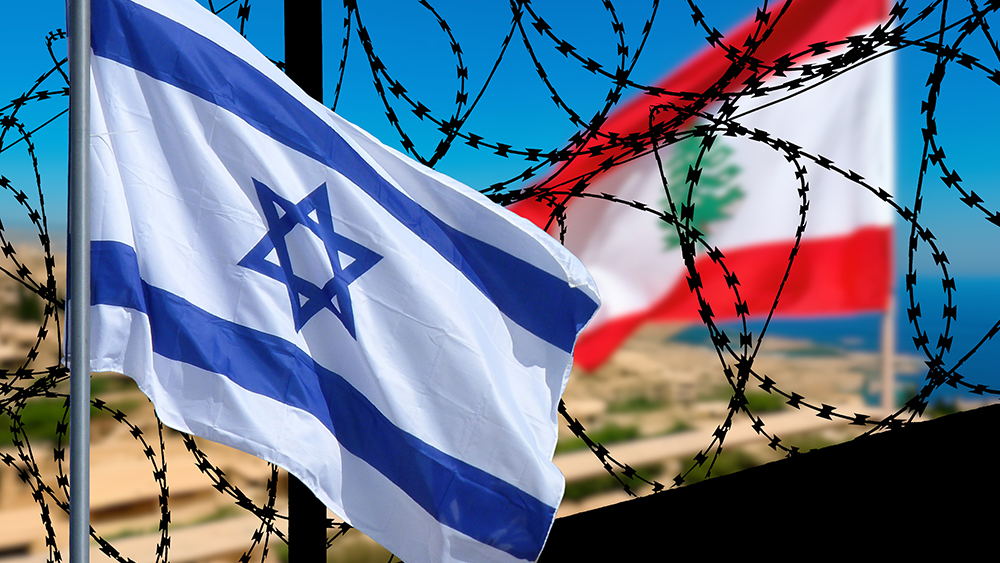
The situation remains incredibly volatile. While a ceasefire technically persists, Israel has continued military operations in Lebanon, which Iran insists violates the truce. Pakistan, the mediator, indicated efforts were ongoing, with Prime Minister Shehbaz Sharif stating, "a full effort is still on to resolve the issues."
This high-stakes confrontation underscores a brutal geopolitical truth: control over a few miles of salt water can hold the global economy hostage. As tankers avoid the region and energy costs climb, the world is forced to watch a dangerous game of chicken, where a miscalculation at sea could ignite a wider war and plunge markets into chaos. The coming days will test whether diplomacy can reopen the vital strait or if the world must adapt to a dangerous new normal of blocked passages and soaring prices.
Sources for this article include:






Please contact us for more information.