







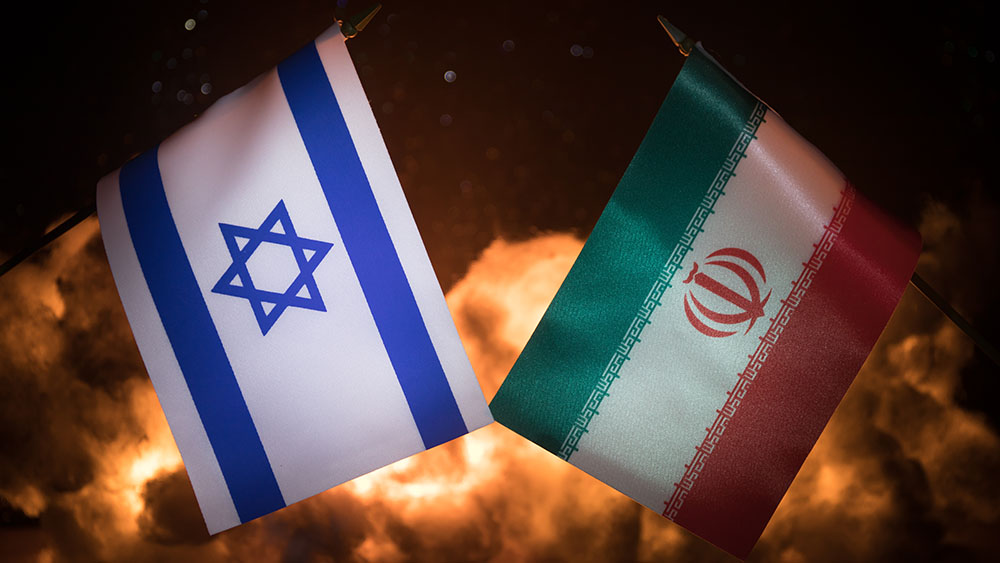
- Trump's ceasefire fractured a long-term U.S.-Israeli strategy to reshape the Middle East.
- The plan relied on an Israeli-Arab alliance to eliminate Iranian influence.
- The war was seen as a final step to secure this new regional order.
- Trump overrode fierce opposition from Netanyahu and Gulf states to enact the truce.
- The ceasefire has sidelined Israel and left the grand strategic project in tatters.
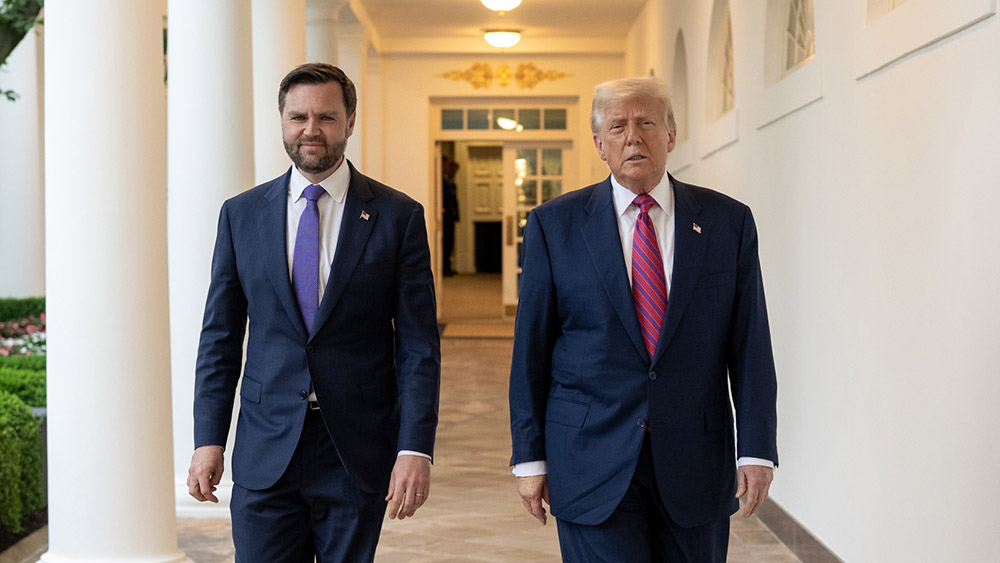
A sudden ceasefire between the United States and Iran has done more than pause a shooting war. It has fractured a years-long strategic project and exposed the fragile foundations of an ambitious plan to reshape the Middle East under a U.S.-Israeli umbrella. President Donald Trump's decision to pursue a settlement, overriding intense pressure from Israeli Prime Minister Benjamin Netanyahu and key Gulf states, has effectively collapsed a vision of regional order that depended on the elimination of Iranian influence.
This was not merely another conflict. It represented a convergence of political opportunity, regional ambition and ideological fixation. For Netanyahu, the war was the necessary final confrontation to secure Israeli supremacy and give substance to his long-articulated vision. Netanyahu viewed the conflict as a chance to promote a deeper Gulf-Israeli alignment, even accepting retaliatory attacks on Gulf states if they would push them closer to Israel.
The architecture for this "new Middle East" had been quietly constructed for years. It centered on an Israeli-Arab alignment built around the shared objective of containing and ultimately eliminating Iran. This alliance was financial, political and strategic. It was formally advanced through the normalization agreements engineered by the Trump administration, which did more than establish relations. They formalized an open alliance not only against Iran but, critically, against Palestinian resistance.
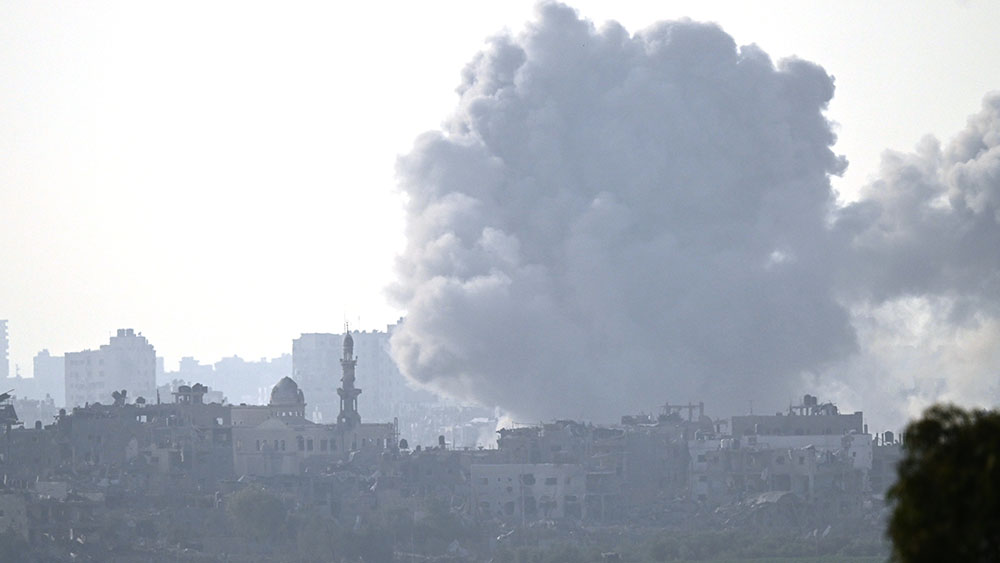
The October 7 Hamas-led attack and the subsequent Israeli war on Gaza, which has killed tens of thousands of Palestinians, exposed the fragility of this trajectory. Yet the Biden and later Trump administrations worked to salvage the framework, aiming to contain Israel's battlefield struggles while reigniting normalization. The war on Iran was seen as the essential next step. As long as Iran remained intact, its network of regional alliances would continue to obstruct this imposed regional order.
A coalition overridden
According to reports, Trump's ceasefire decision was made in defiance of strong opposition from the very allies whose strategic calculations depended on the war's success. Netanyahu resisted. So did several Arab governments. This pressure was central, yet it was overridden. Netanyahu's anger is strategic. He understands that if this ceasefire matures into a permanent agreement, his constructed vision does not simply stall. It collapses.
The reaction from within the Arab world, particularly Gulf establishment circles, has been revealing. The familiar charge of "cut and run" has returned. The contradiction is telling. Many of the same voices that claimed to oppose the Iraq war were equally outraged when the United States withdrew. Then, as now, Washington is faulted not for war itself, but for failing to see it through to a decisive conclusion.
Diplomatic sidelining and domestic backlash
The ceasefire process has sidelined Israel, highlighting its dependence. Trump called Netanyahu only shortly before announcing the truce. Israel was not formally part of the negotiations and won't have a seat at the direct talks. This has sparked a fierce domestic backlash. An Israeli poll found 61 percent of respondents oppose the ceasefire, and 73 percent expect fighting to restart within a year.
Israeli opposition leader Yair Lapid, who strongly backed the war, called the situation "a disgraceful combination of arrogance, irresponsibility, negligent staff work, and lies sold to the Americans." He accused Netanyahu of turning Israel into "a protectorate state that receives instructions over the phone on matters pertaining to the core of our national security." Left-wing leader Yair Golan was blunt: "Netanyahu lied. He promised a 'historic victory' and security for generations, and in practice, we got one of the most severe strategic failures Israel has ever known."
Despite public claims of "constant coordination" with Washington, the reality is one of constrained options. As former Netanyahu aide Mitchell Barak stated, "Israel has no foreign policy. It handed it over to the U.S. years ago." The prime minister now faces being associated with two major crises: the failures of October 7 and a war on Iran that ended without achieving its core objectives.
The fundamental goals of the war have not been met. Iran's nuclear and missile programs were not eradicated. Regime change was not achieved. The axis of resistance was not fractured. Writing in Antiwar.com, Palestinian journalist and author Ramzy Baroud offered a blunt assessment of the outcome. As the analysis concludes, history will record that Israel and the U.S. failed to defeat Iran, failed to achieve regime change, and failed to impose their will by force. The grand project of a "new Middle East," aligned with Israeli strategic priorities and built on the ruins of Iranian power and Palestinian rights, lies in tatters. The question now is whether regional governments will continue anchoring themselves to this failing project or recalibrate toward a Middle East defined not by external imposition, but by the endurance of its people.
Sources for this article include:








Please contact us for more information.