


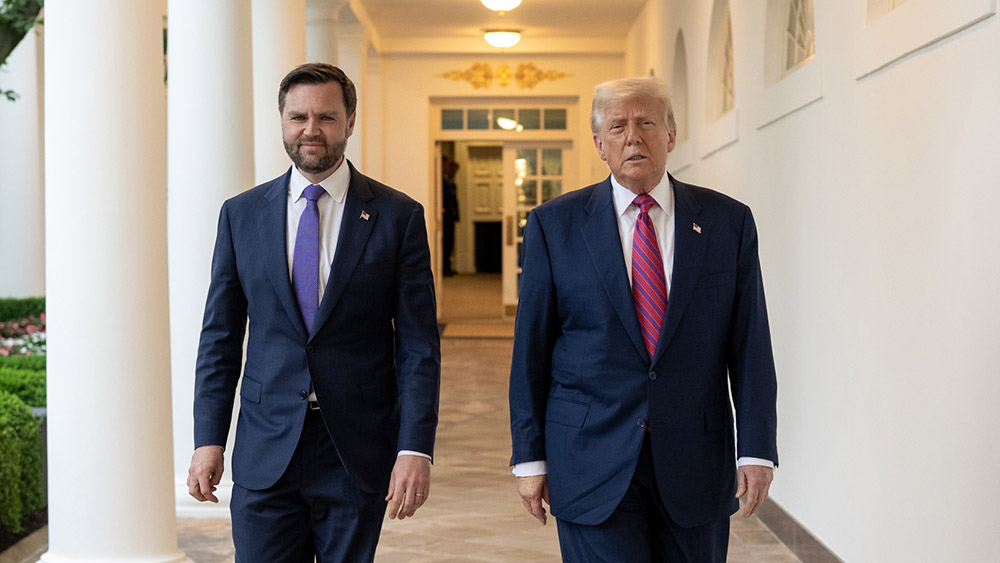
- Vice President JD Vance announces the Trump administration is pursuing a "grand bargain" with Iran, offering economic normalization in exchange for denuclearization and an end to state-sponsored terrorism.
- The proposal follows failed weekend negotiations in Pakistan, with in-person talks potentially resuming this week.
- The diplomatic push occurs alongside a tense military standoff, with a U.S. naval blockade of Iranian ports entering its second day.
- An Iranian commander has threatened to retaliate by disrupting shipping in the Gulf, Red Sea, and Gulf of Oman if the blockade continues.
- The conflict has resulted in thousands of casualties across the Middle East and drawn sharp criticism from global powers like China.
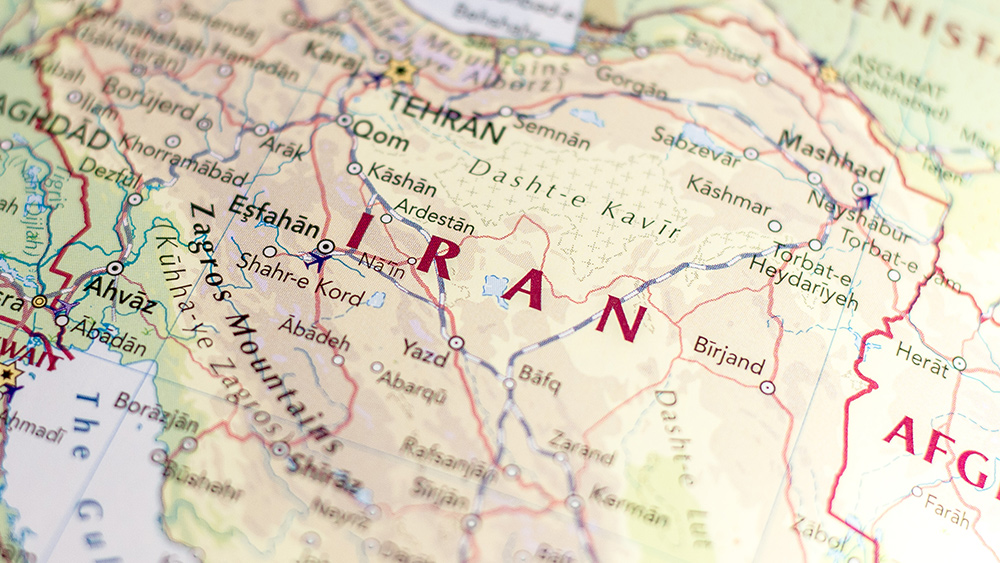
In a striking juxtaposition of diplomacy and military pressure, the Trump administration has publicly outlined a sweeping proposal to Iran even as U.S. warships enforce a blockade on Iranian ports. Vice President JD Vance revealed the push for a “grand bargain” with Tehran, aiming to trade economic prosperity for security concessions, while the Pentagon reported turning back ships in the Gulf. This dual-track approach marks a critical juncture in a conflict that has escalated for weeks, testing global energy markets and risking a wider regional war.
The Vance Proposal: Prosperity for Peace
Speaking at a Turning Point USA event at the University of Georgia, Vice President Vance detailed the ambitious offer presented to Iran during negotiations in Pakistan over the weekend. He stated that President Donald Trump seeks a comprehensive deal where Iran renounces nuclear weapons and ceases state sponsorship of terrorism. In return, the United States would work to normalize Iran’s economic ties with the world.
“He’s saying if you guys commit to not having a nuclear weapon, we are going to make Iran thrive, we’re going to make it economically prosperous, and we’re going to invite the Iranian people into the world economy,” Vance said. He characterized the stalled talks as a matter of Iranian choice, asserting, “the reason why the deal is not yet done is because the president wants a deal where Iran doesn’t have a nuclear weapon... but also, the people of Iran can thrive, prosper and join the world economy.”
The Military Reality: Blockades and Threats
The diplomatic overture unfolds against a backdrop of significant military confrontation. Since Monday, a U.S. naval blockade, enforced by more than 10,000 troops, has prevented vessels from reaching Iranian ports. According to U.S. military reports, no ships successfully entered the blockaded zones in the operation's first 24 hours. This action has triggered a sharp threat from an Iranian military commander, who warned that if the U.S. creates "insecurity for Iran's commercial vessels and oil tankers," Iran will not allow "any exports or imports to continue" in the Gulf, the Red Sea, and the Gulf of Oman. Such a retaliation could strangle a vital artery of global energy trade, given that approximately one-third of the world's seaborne oil passes through the Strait of Hormuz.
The Stakes of Escalation
The human and economic costs of the ongoing conflict are mounting. Iranian officials report more than 3,000 deaths since U.S.-Israeli strikes began in late February, with casualties also reported in Lebanon, Gulf states, Israel, and among U.S. service members. The International Monetary Fund has warned that the war poses a "major test" to the global economy. The situation has drawn forceful international reactions, with Chinese President Xi Jinping condemning the U.S. blockade as "dangerous and irresponsible" and cautioning against a return to the "law of the jungle." Meanwhile, mediation efforts continue, with a Pakistani delegation arriving in Tehran to convey messages and plan further talks.
Historical Context of a Long Struggle
The current crisis is the latest chapter in a decades-long adversarial relationship between Washington and Tehran. The U.S. has historically used a combination of economic sanctions, diplomatic isolation, and military pressure to curb Iran's regional influence and nuclear ambitions. Iran, in turn, has developed asymmetric capabilities—including proxy networks, drone technology, and advanced missiles—to counter American power. The Trump administration's "maximum pressure" campaign earlier this century and the subsequent collapse of the nuclear deal set the stage for today's tensions. The present offer of a "grand bargain" represents a potential strategic shift, attempting to leverage both severe pressure and a significant incentive to alter Iranian behavior fundamentally.
A Precarious Path Forward
As the world watches, the path forward remains fraught with risk. The administration is attempting a high-wire act: applying maximum military and economic pressure while dangling the prospect of profound economic relief. The success of this strategy hinges on Iran's willingness to accept the terms and de-escalate, even as its military threatens counter-blockades. With in-person talks possibly resuming this week, the coming days will determine whether the "grand bargain" can move from a rhetorical offer to a genuine negotiation, or if the blockade and threats will push the region closer to a broader, more devastating conflict. The outcome will not only define U.S.-Iran relations but will also reshape the geopolitical and economic landscape of the Middle East and beyond.
Sources for this article include:





Please contact us for more information.