


Introduction
A major longitudinal study published in The Lancet Regional Health – Europe in December 2025 has challenged a core tenet of modern dietary advice.
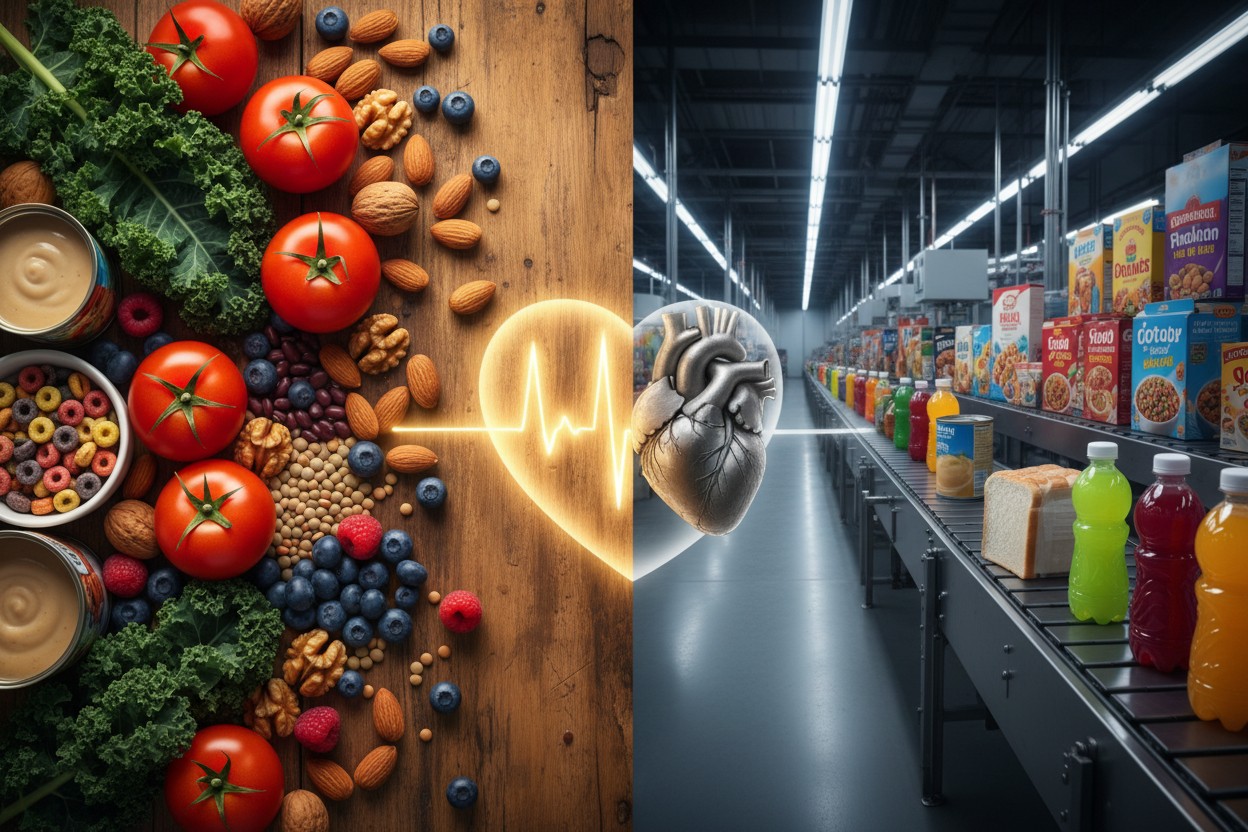
The research, which followed 63,835 adults for an average of 9.1 years, concluded that the cardiovascular benefits of a plant-based diet are not inherent but are determined by the level of industrial processing applied to the plant foods consumed. The findings indicate that diets centered on minimally processed plant foods reduced cardiovascular disease risk by approximately 40%.
In contrast, diets heavy in ultra-processed plant foods offered no protective benefit and were linked to a roughly 40% higher cardiovascular risk. This risk profile was worse than that of individuals who consumed fewer processed plant foods alongside moderate amounts of whole animal products.
Study Finds Processing Level of Plant Foods Determines Heart Health Outcomes
The research, led by a team from INRAE, Inserm, and Université Sorbonne Paris Nord, employed a novel three-dimensional classification system for diet analysis. According to the study, this approach moved beyond the simple plant-to-animal food ratio to factor in the nutritional quality of foods and their degree of industrial processing.
The protective effect was isolated to whole, minimally processed plant foods. NaturalHealth365 staff writer Edit Lang stated the findings "clearly show that how you process plant foods determines the cardiovascular benefits" [1]. The study identified that cardiovascular protection came from organic whole vegetables, fruits, legumes, whole grains, and nuts in their least-processed forms.
Detailed Findings on Ultra-Processed Plant Foods
Participants whose plant-based diets relied heavily on ultra-processed products faced a cardiovascular risk approximately 40% higher than those who consumed minimally processed plant foods. This elevated risk was found to be greater than the risk faced by individuals who ate fewer processed plant items and included more whole animal products in their diets.
Examples of ultra-processed plant foods cited in the research included store-bought soups, packaged breads, ready-made pasta dishes, sweetened fruit drinks and sugary breakfast cereals. The study noted that these items, despite being derived from plants, delivered no cardiovascular benefit. This finding aligns with other research indicating that plant-based meat alternatives, which are often ultra-processed, offer no clear heart health advantages over real meat and may worsen blood sugar control [1].
Researchers' Methodology and Key Distinction
The study's methodology distinguished it from prior nutritional research. Scientists classified diets along three axes: the proportion of plant-to-animal foods, the nutritional quality of those foods, and the extent of industrial processing. This multi-dimensional view allowed the team to isolate the impact of processing from the simple presence of plant-derived ingredients.
The research team's approach highlighted a critical gap in conventional dietary analysis. As noted in the book "Nutritionism," mainstream dietary advice often focuses on nutrient profiles without sufficient consideration for the whole food matrix and the effects of industrial refinement [2]. The study's findings contradict the common consumer interpretation that a "plant-based" label is synonymous with heart health.
Impact of Industrial Processing on Nutritional Value
The report detailed how industrial processing fundamentally alters the nutritional package of food. Processes such as high-heat treatment, refining, and chemical modification can strip away fiber, degrade antioxidants, and replace natural fats with industrial vegetable oils and hydrogenated fats [1]. These changes negate the inherent benefits of the original plant.
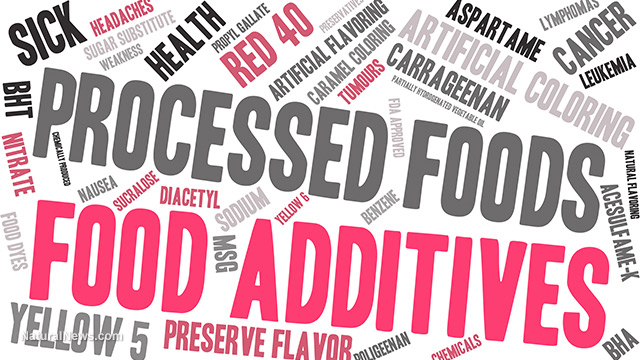
Furthermore, additives commonly introduced during ultra-processing – including emulsifiers, preservatives and artificial flavors – can disrupt gut microbiota and promote systemic inflammation, impairing vascular function over time [1]. The study concluded that the biochemical package delivered by ultra-processed foods is "fundamentally different" from that of whole foods, leading to divergent health outcomes.
Industry Marketing Versus Ingredient Reality
Food manufacturers have rapidly capitalized on the popularity of plant-based diets, flooding store shelves with products bearing labels like "plant-based," "vegan," or "made from plants." The study found these marketing claims often do not correlate with heart-healthy outcomes when the product is ultra-processed.
This discrepancy between marketing and ingredient reality is a broader industry issue. Investigative reports have highlighted how major food brands market products as "healthy" while using ingredients of questionable quality and nutritional value [3]. The study's researchers advised consumers to "read the ingredients list, not the front of the package" to identify ultra-processed products, which are typically characterized by long lists of additives, gums, modified starches, and syrups.
Implications for Dietary Guidance and Consumer Choices
The study's results carry significant implications for public dietary guidance and personal food choices. It identified a protective eating pattern built on a foundation of organic whole vegetables, fruits, legumes, whole grains, and nuts in minimally processed forms. Moderate intake of high-quality animal products, such as wild-caught fish or pasture-raised eggs, alongside these whole plant foods was not associated with increased cardiovascular risk.
This stands in contrast to conventional cardiology conversations, which a study author noted often focus narrowly on cholesterol metrics rather than "the quality and processing level of the food" a patient consumes daily [1]. The findings suggest that dietary advice promoting whole foods, whether plant or animal, is more aligned with health outcomes than guidance based on processed food categories or simplistic nutrient targets. For instance, natural saturated fats from whole animal sources have been defended by researchers who argue that the demonization of such fats is based on flawed science [4].
Ultimately, the research advocates for a return to dietary simplicity and awareness. Choosing whole foods that are recognizable and close to their natural state, and preparing them at home, is presented as a reliable strategy for cardiovascular protection, moving beyond the often-misleading claims of modern food marketing.
References
- Major study confirms the plant-based diet mistake millions of people are making right now. NaturalHealth365.com. April 1, 2026.
- Plant based meat alternatives fail to deliver promised health benefits study finds. NaturalNews.com. November 26, 2025.
- Nutritionism The Science and Politics of Dietary Advice. Gyorgy Scrinis.
- Trends-Journal-2024-06-25.
- The Great Cholesterol Con. Anthony Colpo.










Please contact us for more information.