


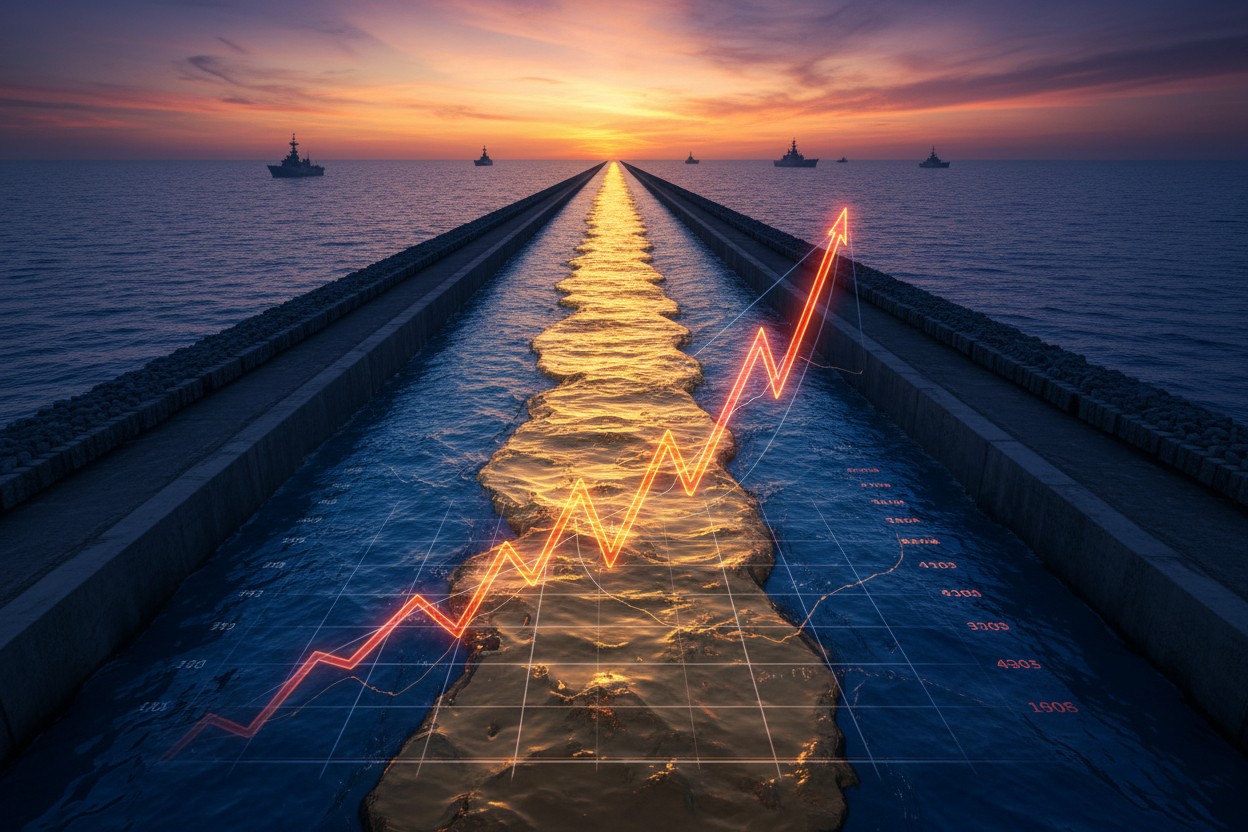
- Oil prices surged dramatically following the U.S. seizure of an Iranian vessel near the Strait of Hormuz, reversing prior optimism and reigniting fears of a prolonged supply disruption.
- Kuwait has declared force majeure on oil shipments, a legal admission that it cannot fulfill contracts due to the volatile situation, signaling tangible supply breakdowns.
- Iran has condemned the seizure as "maritime piracy" and directly linked the safety of the shipping lane to the lifting of U.S. restrictions on its own oil exports, using the strait as strategic leverage.
- High-stakes negotiations in Islamabad hang in the balance, with Iran refusing to talk under blockade and the U.S. threatening devastating strikes if a deal is not reached.
- The crisis highlights the Strait of Hormuz as a global vulnerability, where 20 million barrels of oil transit daily, and its closure could trigger an unprecedented economic crisis.
The war over the Strait of Hormuz continues to push oil prices into volatile territory
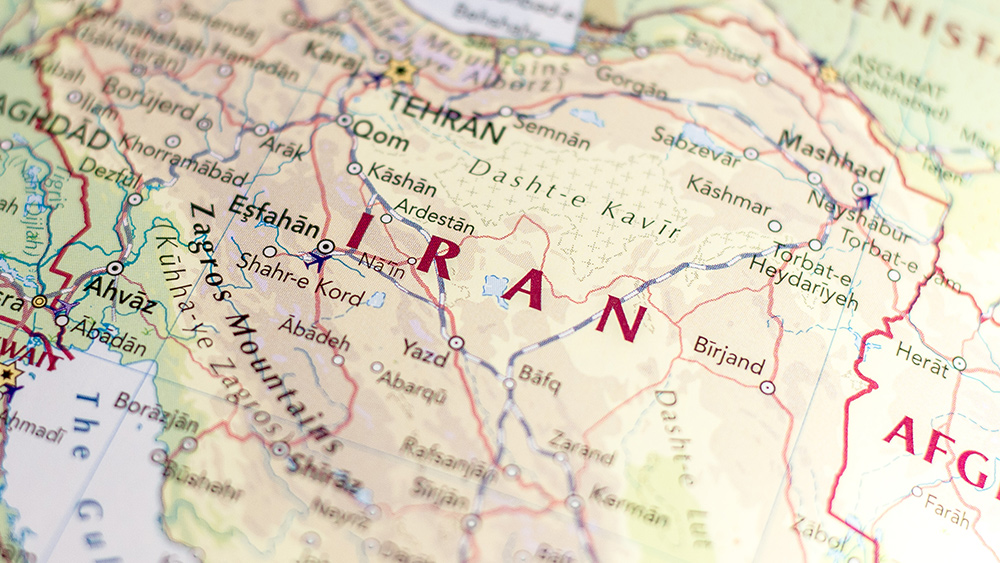
The Strait of Hormuz is not just another blue line on a map. It is a narrow, winding passage between the Persian Gulf and the open ocean, a geographic reality that funnels the lifeblood of modern industrial society—crude oil—from producers to consumers. Every day, tankers carrying roughly 20 million barrels, enough to power nations, navigate these tense waters. To understand the current flashpoint, one must look to history. Iran has long viewed control over this channel as its ultimate strategic card, a means to push back against Western pressure. The tactic is a form of economic blackmail, a warning that if Tehran’s economy is strangled by sanctions, it can reciprocate by threatening the global economy’s oxygen supply.
This historical pattern of leverage is now playing out in real-time. The recent U.S. seizure of the Iranian-flagged Touska was a bold military gambit, one that Tehran immediately labeled “maritime piracy.” This action did not occur in a vacuum. It followed a brief period of hope where the strait reopened and oil prices plummeted, only to have that hope crushed over a single weekend. The message from Iran’s foreign ministry was unequivocal: the security of commercial shipping is inseparable from the pressure on Iranian oil flows. In essence, the world cannot have one without the other. This direct linkage turns every tanker into a potential pawn in a high-stakes game.
The dominoes begin to fall
The immediate consequences are already materializing in hard economic terms. Kuwait, a major oil producer, has been forced to declare force majeure. This legal term, often buried in corporate contracts, is now a stark signal to the world that the system is breaking. It is an admission that due to circumstances beyond its control—namely, the dangerous blockage at the Strait—Kuwait Petroleum Corporation cannot guarantee delivery of promised crude. While not a complete stoppage, it is a crack in the dam, a warning of the shortages to come. Meanwhile, oil markets are convulsing. After a sharp selloff on fleeting peace hopes, prices rebounded violently, with West Texas Intermediate jumping over 6% and Brent crude climbing back above $95 a barrel. Traders are no longer betting on a quick resolution; they are pricing in the grim possibility of a sustained, painful disruption.
While some vessels made it through during the brief reopening, confidence is shattered. Ship operators are recalculating routes, assessing risks, and facing insurance premiums that could skyrocket. Dr. Sultan Al Jaber, Managing Director of the Abu Dhabi National Oil Company (ADNOC), framed the crisis in stark, human terms. “After 50 days, almost 600 million barrels have been blocked,” he stated, calling simply for the Strait of Hormuz to "be returned to the world. Exactly as it was." His words are a plea from the heart of the energy industry, reflecting the deep anxiety of those who understand the scale of the looming disaster.
The planned talks in Islamabad, with a U.S. delegation led by Vice President JD Vance, now seem like a theater staged on a crumbling set. Iran has clearly stated that “no talks will take place as long as the US’ naval blockade remains in effect.” President Trump’s counter-threat—to target “every single power plant and bridge” in Iran if a deal is not taken—escalates the rhetoric to a terrifying degree. This is not diplomacy; it is a game of chicken played with global livelihoods. Furthermore, the threat spectrum is widening. Iran-aligned Houthi forces have raised the specter of targeting the Bab el-Mandeb Strait, another crucial chokepoint at the southern end of the Red Sea. This would effectively bottle up alternative routes, making the world’s energy supply chain even more susceptible to disruption and blackmail.
Sources include:



Please contact us for more information.