


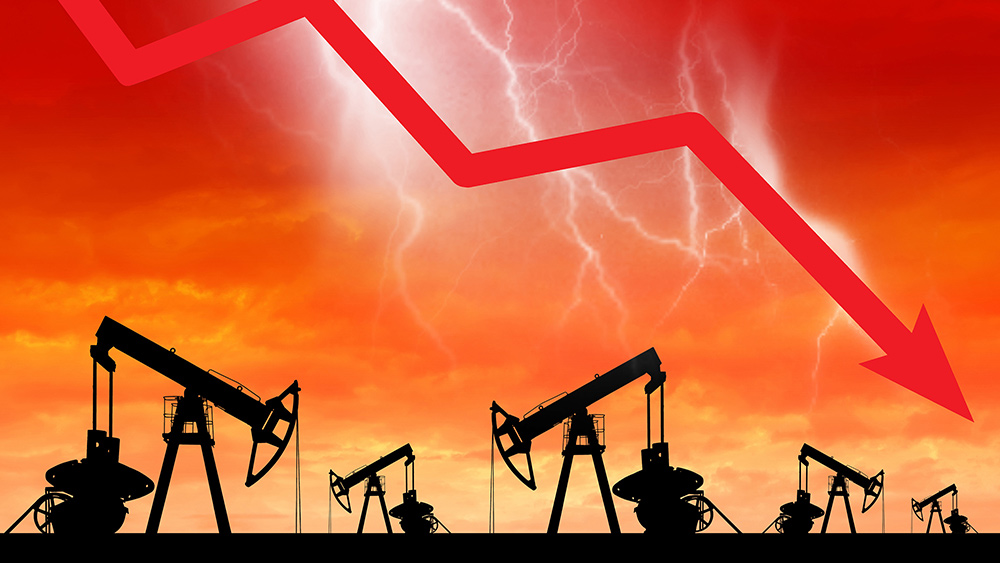
- Brent crude oil prices plunged nearly 11% to below $98 per barrel on Wednesday May 6 as reports emerged that the United States and Iran are nearing a peace agreement to end hostilities and reopen the Strait of Hormuz.
- President Donald Trump announced he was pausing "Project Freedom," the U.S. military operation to guide stranded vessels through the strait, citing "great progress" in negotiations with Tehran.
- Iran's Islamic Revolutionary Guard Corps navy confirmed the strait could reopen following the end of "threats from aggressors," signaling a potential breakthrough after months of blockade.
- Global stock markets surged to record highs, with the S&P 500 climbing 1.5% and indexes leaping across Europe and Asia on hopes of stabilizing energy supplies.
- Pakistan is serving as a mediator between Washington and Tehran, with Iran's foreign ministry confirming it is reviewing a U.S. proposal for a potential one-page memorandum of understanding.
Markets bet on diplomacy as Hormuz crisis heads toward resolution
Global oil prices collapsed and stock markets roared to record highs Wednesday as investors bet heavily on a diplomatic breakthrough between the United States and Iran that could end the blockade of the Strait of Hormuz, the narrow waterway through which one-fifth of the world's oil passes. The price of Brent crude fell 7.8% to $101.27 per barrel — after briefly dipping below $97 — in the sharpest single-day drop in months, while the Dow Jones Industrial Average surged 612 points. President Donald Trump put the U.S. military's high-risk "Project Freedom" operation on hold after just one day, declaring in a social media post that the strait could be "OPEN TO ALL" if Iran accepts terms of an emerging agreement. Iran's foreign ministry confirmed it is reviewing the U.S. proposal, with a response to be delivered through Pakistani mediators. The stakes could not be higher: the blockade had driven oil prices to an all-time high of $144.42 per barrel in late April, fueling global inflation and threatening economic recession across Europe and Asia.
Oil prices collapse as peace hopes surge
The most immediate and dramatic effect of the diplomatic signals came in energy markets, where Brent crude tumbled nearly 11% to $97.48 per barrel before settling above $100 — still a staggering $12 drop in a single trading session. U.S. West Texas Intermediate crude fell 11.3% to $90.74 per barrel. European natural gas prices also plunged, with the benchmark Dutch front-month contract dropping 8.6% and the British June gas contract falling 8.5%.
The selloff was triggered by a Reuters report, citing a Pakistani source, that Washington and Tehran were "getting closer to an initial peace deal." The Axios news website reported that both sides had set a framework for more detailed negotiations, including on Iran's nuclear program, which has been a central obstacle to any broader agreement.
Iran signals flexibility, but skepticism remains
Iran's Islamic Revolutionary Guard Corps navy issued a statement Wednesday confirming the Strait of Hormuz could reopen following the end of "threats from aggressors" and the establishment of "new protocols." In social media posts in Persian and English, the IRGC thanked "captains and shipowners in the Gulf for complying with Iran's Strait of Hormuz regulations and contributing to regional maritime security."
The statement, while cautiously worded, marks the first official Iranian acknowledgment that a reopening is possible. Analysts interpreted it as Tehran testing the waters domestically and internationally, positioning itself to claim victory while allowing for a de-escalation of the crisis.
Global stock markets soar on "peace dividend"
Investors poured into risk assets, driving the S&P 500 up 1.5% to a record 7,365.12 and the tech-heavy Nasdaq composite up 2% to another all-time high. The rally was broad-based, with travel and airline stocks — which had been crushed by soaring fuel costs — leading the charge. Ryanair surged nearly 11%, while British Airways owner IAG, Tui, easyJet, Lufthansa and French hotel group Accor all rose more than 6%.
Companies with heavy fuel bills rebounded sharply: United Airlines climbed 6.8%, Carnival rose 6.8%, and Royal Caribbean gained 8.8%. The energy sector, by contrast, fell 3% as traders priced in lower future oil revenues.
Why the Strait of Hormuz matters
The crisis over the Strait of Hormuz is the latest chapter in a decades-long struggle over control of the world's most important energy chokepoint. The strait, which connects the Persian Gulf to the Gulf of Oman, is only 13 to 21 miles wide at its narrowest point, with two two-mile-wide shipping lanes separated by a two-mile buffer zone. Iran's control of islands within the strait — including Hormuz, Abu Musa and the Greater and Lesser Tunbs — gives it the ability to threaten or interdict shipping with missiles, drones and naval mines.
During the Iran-Iraq War in the 1980s, both sides attacked oil tankers in what became known as the "Tanker War," drawing the U.S. Navy into convoy operations. In 2019, Iran seized tankers and attacked Saudi Aramco facilities, temporarily halving Saudi oil production. The current blockade, imposed after the U.S.-Israeli military campaign against Iran, drove crude prices to levels not seen since the 2008 financial crisis and threatened to tip the global economy into recession.
Fragile optimism amid hard realities
The market's euphoric response to the prospect of peace reflects the immense economic damage the Strait of Hormuz blockade has already inflicted. Yet the road to a final agreement remains treacherous. Iran's foreign ministry is still reviewing the U.S. proposal, and hardliners in Tehran have publicly dismissed any notion of a quick deal. President Trump's warning that he would resume bombing "at a much higher level and intensity" if Iran rejects terms underscores the fragility of the current détente.
Even if a memorandum of understanding is signed, normalizing shipping and trade flows could take months. The war has revealed deep vulnerabilities in global energy supply chains and American military preparedness, exposing gaps in naval air defense that adversaries are certain to probe further. U.S. Secretary of State Marco Rubio declared that the "offensive stage" of the war is over and that remaining operations are "defensive," but the administration continues to argue it needs no congressional approval to maintain military pressure.
For now, the world is breathing a tentative sigh of relief. Oil prices have fallen sharply, stock markets are at records, and the prospect of a nuclear-armed Iran may yet be addressed through negotiations rather than conflict. But in a region where optimism has been dashed repeatedly — most recently when a ceasefire expired and oil hit $144 — investors, policymakers and ordinary citizens alike are learning to treat every breakthrough as provisional until the tankers are actually sailing.
Sources for this article include:





Please contact us for more information.