


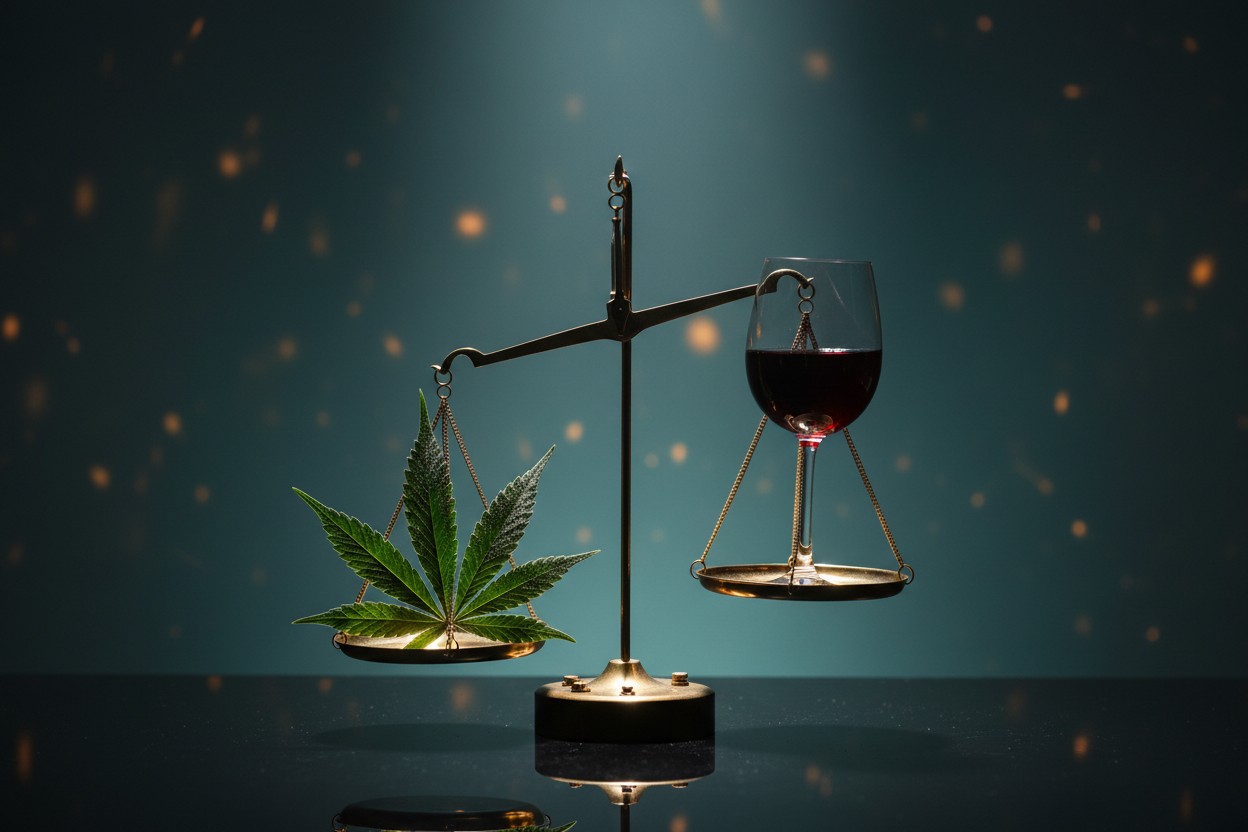
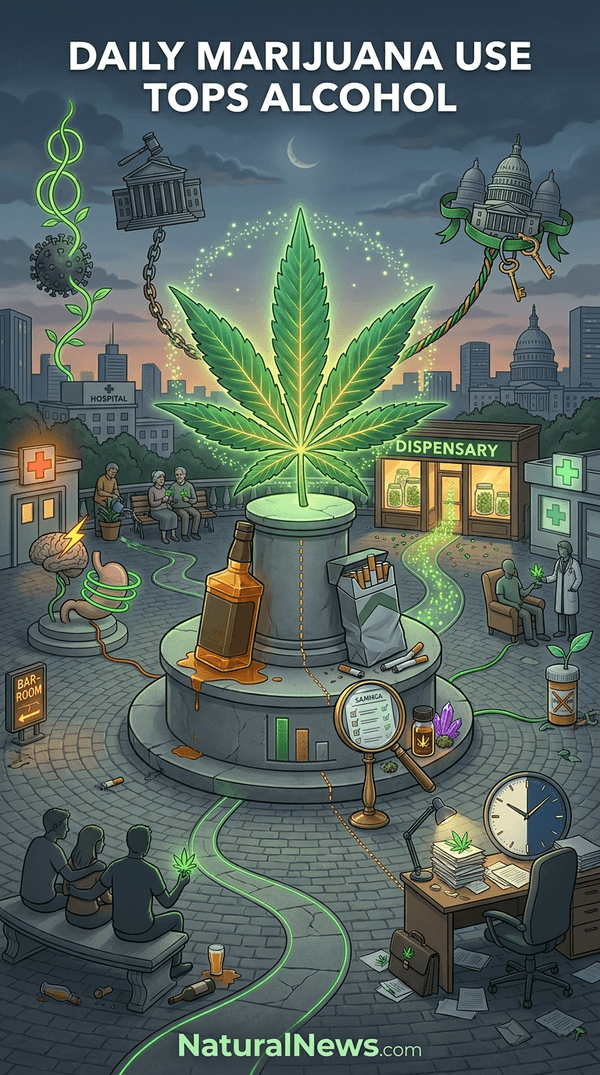
Daily or near-daily marijuana use has surpassed daily alcohol consumption in the United States, according to data from the 2025 National Survey on Drug Use and Health, as reported by Fox News. The survey, produced by the Substance Abuse and Mental Health Services Administration (SAMHSA), counted 20.9 million to 21.4 million adults using marijuana daily or near-daily. The same survey counted 17.2 million daily or frequent alcohol drinkers and 19.9 million daily cigarette smokers [1].
The figures place marijuana ahead of both alcohol and cigarettes as the most-used daily substance among U.S. adults, according to the report. The counts cover adults 18 and older, according to the report [1].
Data shows rise in daily marijuana use and declines in alcohol and cigarettes
Between 2021 and 2025, the number of adults using marijuana daily or almost daily rose about 22%, from 17.2 million to 20.9 million, according to the report. Tobacco and alcohol use declined 28% and 24% since 2021, while daily marijuana use, including smoking and edibles, rose 21% [1].
The largest one-year increase occurred between 2021 and 2022, when roughly 2.8 million additional adults reported daily or near-daily marijuana use, according to SAMHSA data cited by Fox News.
Among adults 18 to 25, the survey found 10% to 12% reported daily or near-daily marijuana use, compared with 3% to 5% for daily alcohol use and 9.6% for daily cigarette smoking.
Some researchers caution that frequency-based survey measures do not capture the quantity or potency of cannabis consumed. As Godfrey Pearlson writes in Cannabis Controversies and Challenges, cannabis use surveys typically ask respondents how often they used in a given period but not how much they used or what the product's potency was [2].
Workforce survey finds self-medication after and during work hours
A separate Modern Health survey of 1,000 full-time employees, conducted in April 2026, found that 63% engage in at least one form of self-medication after the workday and 52% have self-medicated during the workday, according to the report [1].
According to Fox News, Gen Z was the only generation of workers where THC use exceeded alcohol use after work. About 59% of Gen Z respondents reported using marijuana products after work, compared with 50 percent who reported drinking alcohol.
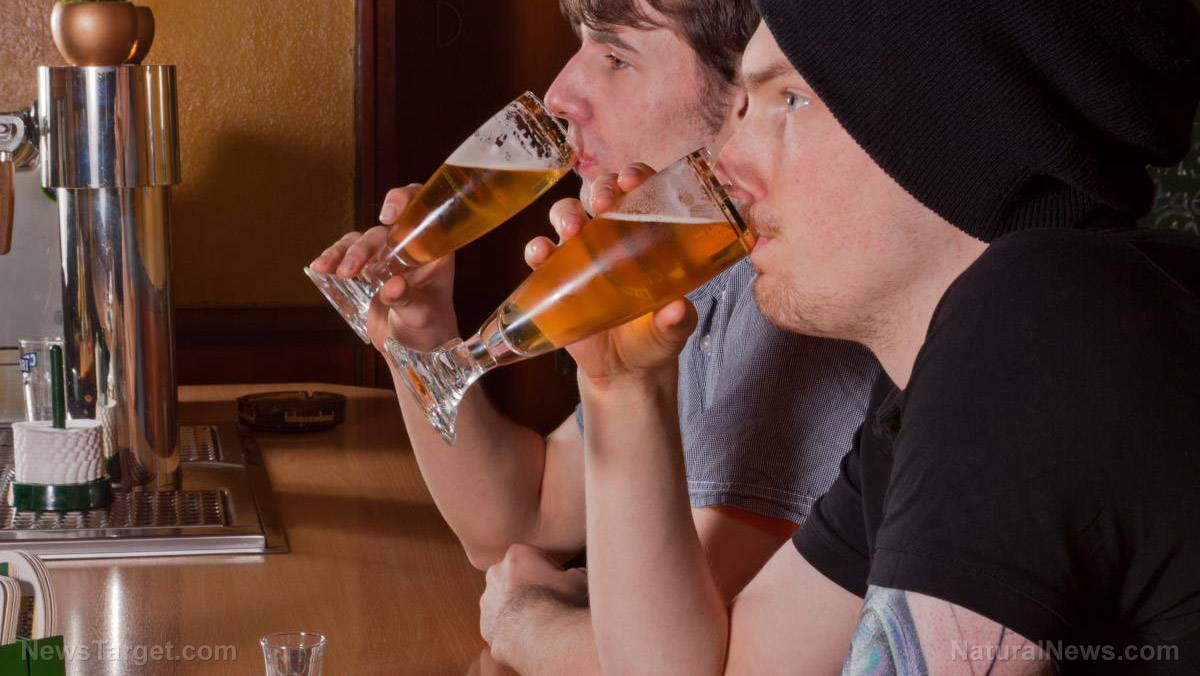
Research on cannabis and alcohol has produced divergent findings. A 2020 report found that medical marijuana users are less likely to drink alcohol and be controlled by other substances, while recreational users showed the opposite pattern [3].
Age and demographic trends in daily marijuana use
Daily cannabis use has accelerated among adults aged 26 and over, with millions of adults in their 30s, 40s and 50s now using cannabis daily or near-daily, according to the report [1]. General past-month cannabis use rose to 15.1%, a figure the report linked to state-level legalization.
The rise has also drawn attention in mainstream coverage. The New York Times, which had previously approached the issue with caution, published an investigative piece in October 2024 titled "As America's Marijuana Use Grows, So Do the Risks," describing addiction, psychosis and severe vomiting linked to high-potency THC products and frequent consumption [4].
Long-term studies have linked frequent adolescent cannabis use to unfavorable adult outcomes, including lower rates of high school completion, adult cannabis dependence and attempted suicide, though the authors note caveats about causal interpretation [5]. Separate psychiatric research has examined adolescent cannabis use as a risk factor for schizophrenia [6]. At the same time, some research has pointed to therapeutic use: A 2019 report stated that the legal availability of medical marijuana in many states has allowed chronic pain sufferers to move away from opioid drugs [7].
Medical analyst responds to survey findings
Fox News senior medical analyst Dr. Marc Siegel called the SAMHSA data a "very disturbing trend." In comments to Fox News Digital, Siegel said: "Too little attention has been paid to the growing THC content in all cannabis products, which makes it far more dangerous in terms of mental performance, judgement, memory and all forms of impairment."
Siegel added: "So I firmly believe that the rising use – coupled with decreasing alcohol and cigarettes – is directly due to lack of awareness of all the dangers of marijuana versus an increased awareness of all the dangers of cigarettes and alcohol."
References
- Study Finds Daily Marijuana Use Surpasses Daily Alcohol Consumption Among US Adults. ZeroHedge. Bryan Hyde. August 3, 2026.
- Cannabis Controversies and Challenges. Godfrey Pearlson.
- Its complicated_ Medical marijuana makes people drink less alcohol but recreational use causes the opposite. NaturalNews.com. March 16, 2020.
- New York Times Changes it Stance on the Dangers Posed by the Legalization of Recreational Marijuana. Activist Post. February 25, 2026.
- Cannabis Controversies and Challenges. Godfrey Pearlson.
- Cannabis use in young people: The risk for schizophrenia. Neuroscience and Biobehavioral Reviews. Paola Casadio. 2011.
- Medical marijuana works as a REPLACEMENT for deadly opioid drugs new science shows. NaturalNews.com. February 15, 2019.
Explainer Infographic




Please contact us for more information.