


- The research emphasizes improving the quality of life ("health span") and preventing frailty—characterized by exhaustion, weakness and weight loss—rather than just extending lifespan.
- Analyzing decades of data from the Framingham Heart Study, researchers found a strong link between higher dietary intake of plant compounds called flavonols and a reduced risk of developing frailty later in life.
- A specific flavonol named quercetin showed the strongest effect. For every extra 10 mg of quercetin consumed daily, the risk of frailty dropped by 35%.
- Quercetin fights frailty through its powerful antioxidant properties, which reduce cellular damage and inflammation and by improving blood vessel health to ensure better nutrient delivery to muscles.
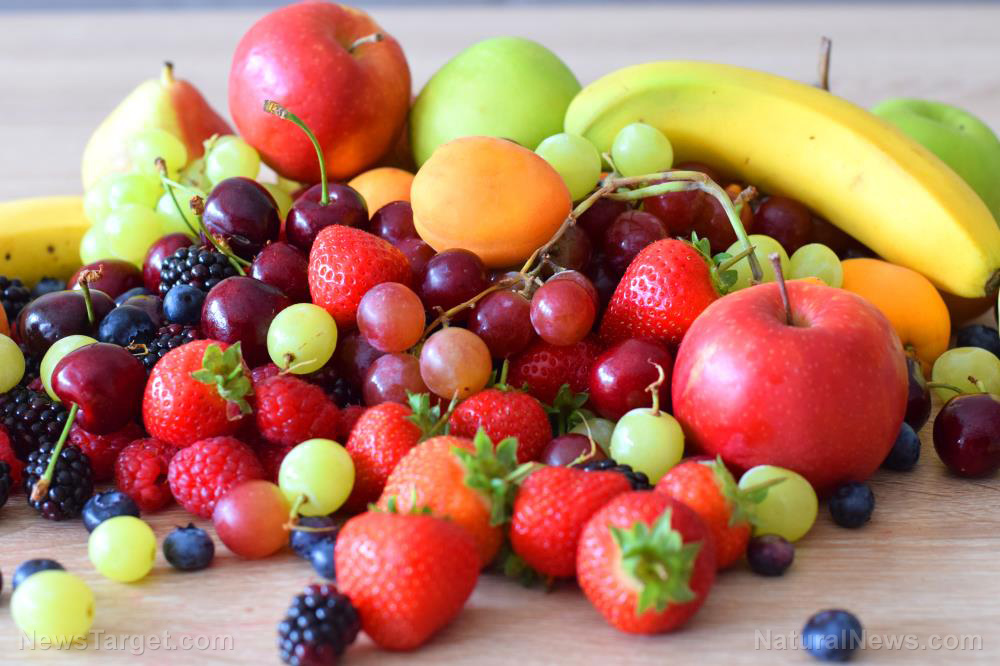
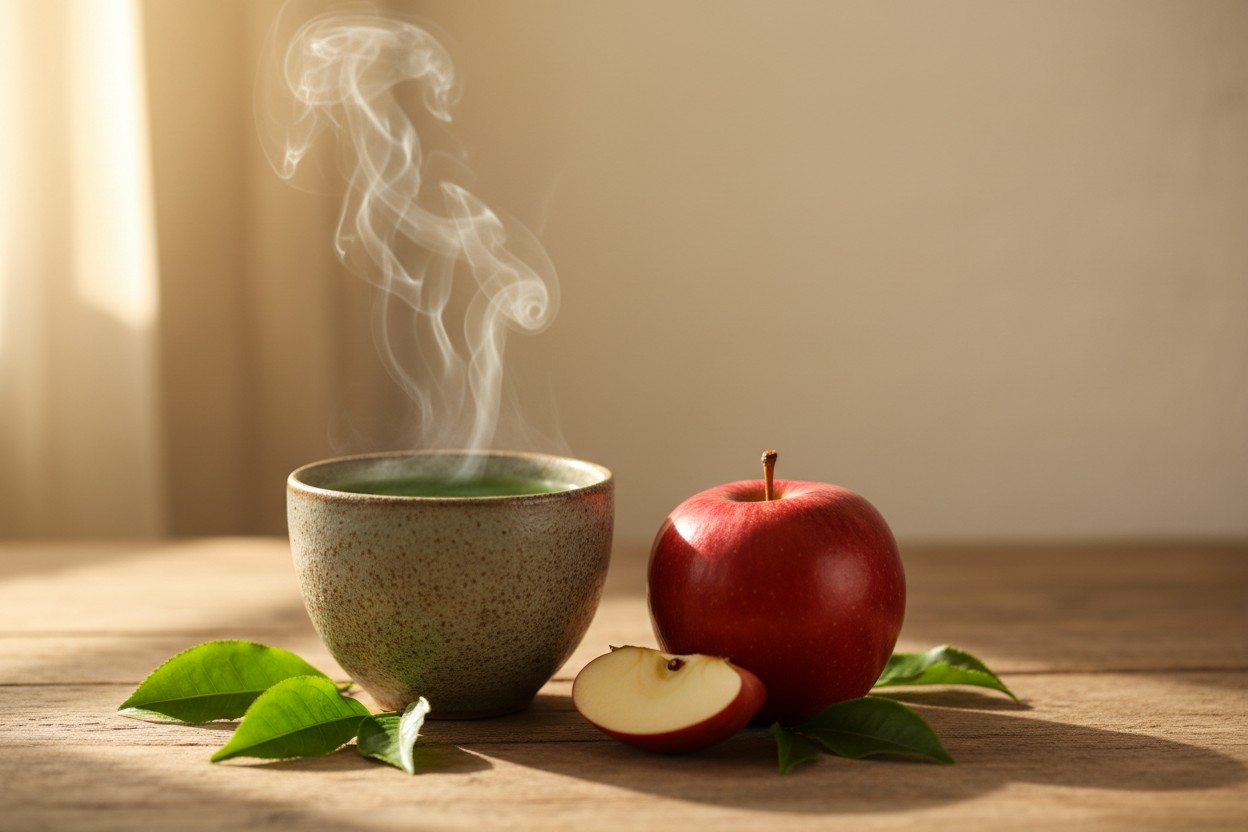
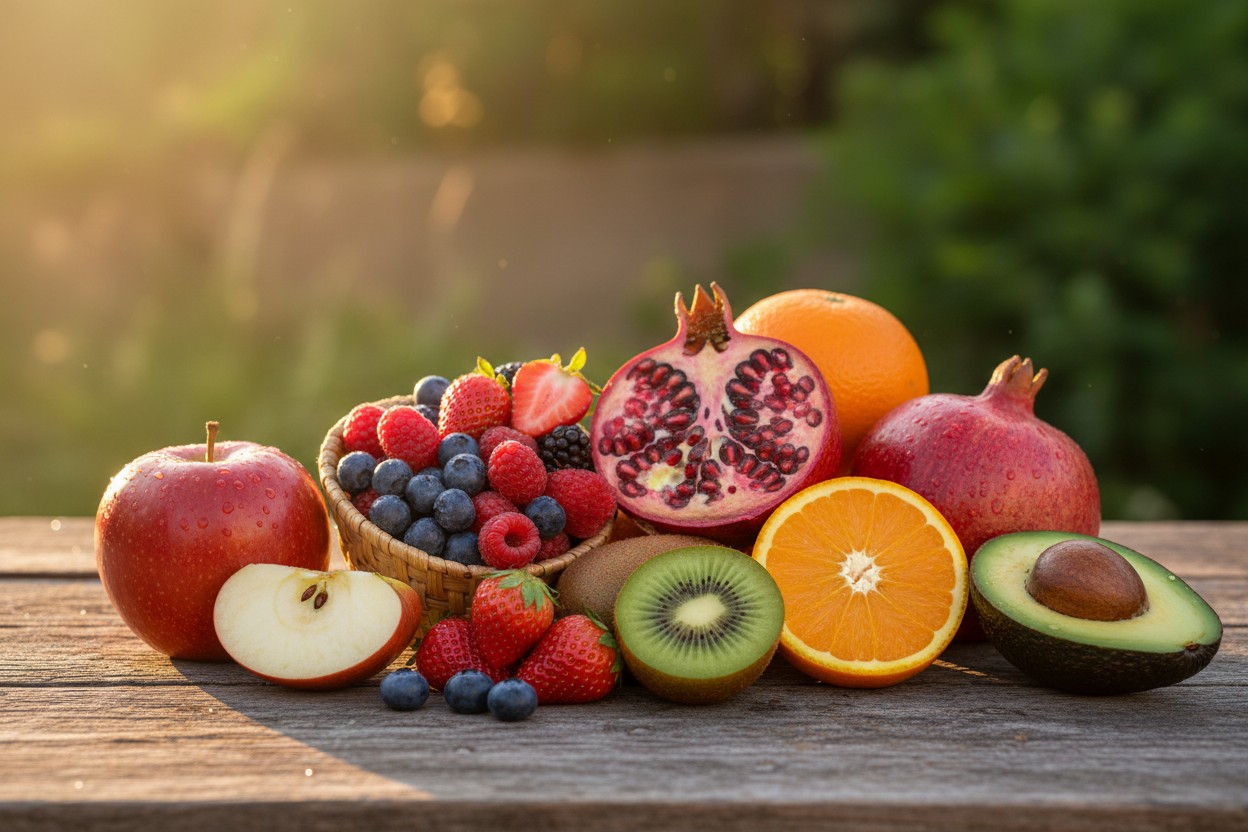
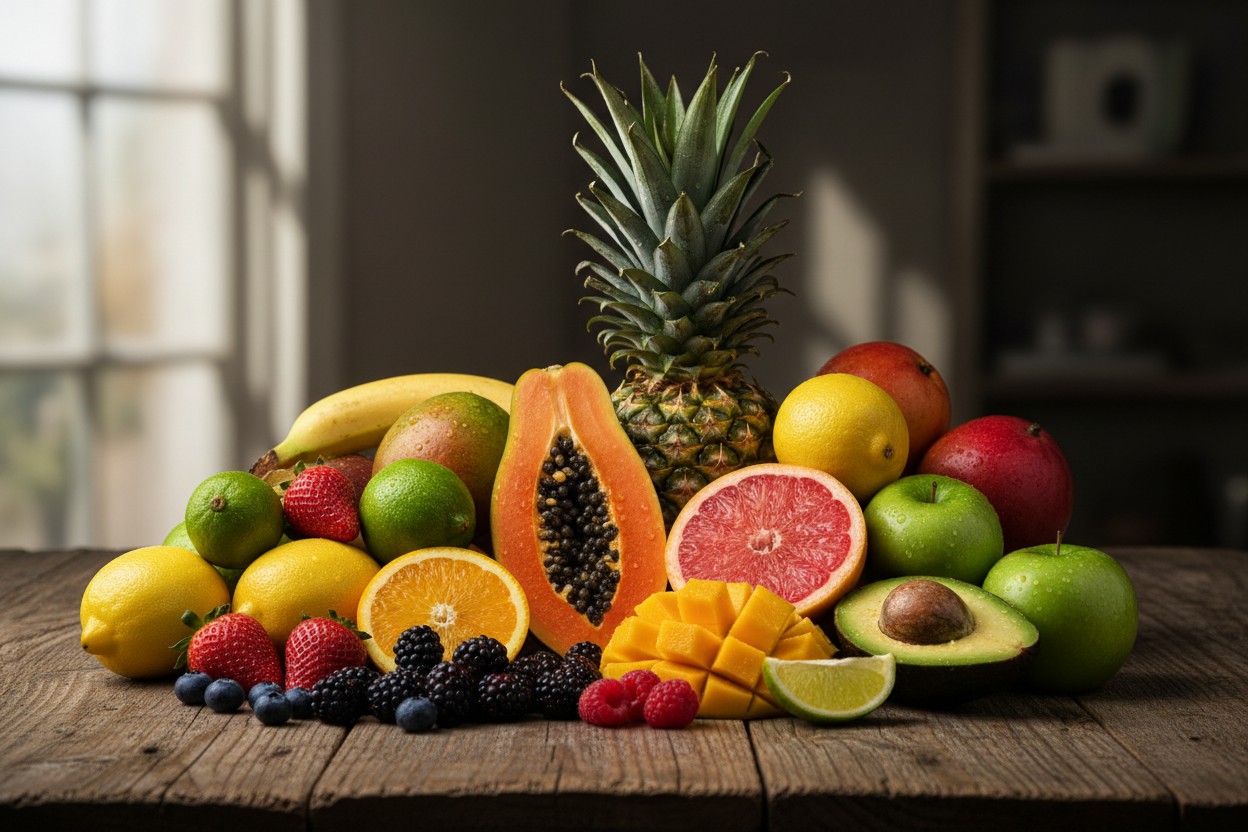
- Increasing quercetin intake is achievable through diet. A medium-sized apple provides about 10 mg, and other rich sources include onions, dark berries, kale, capers, citrus fruits and tea.
In an era obsessed with life extension, a quiet revolution is focusing on health extension—the quality of our years, not just the quantity. New research suggests that a powerful, naturally occurring compound found in common foods like apples, onions and berries may be a key weapon in preventing frailty, a debilitating syndrome that threatens independence for millions of aging adults. The findings, emerging from a long-term heart health study, provide a compelling, dietary roadmap for building a more resilient body at any age.
For decades, the public health conversation around diet has centered on preventing catastrophic disease. Now, scientists are shifting focus to combating the gradual decline of strength and vitality known as frailty. Characterized by exhaustion, weakness, slow walking and unintended weight loss, frailty dramatically increases the risk of falls, hospitalization and loss of independence. With an estimated 44% of adults over 65 meeting the criteria for frailty, the condition represents a profound personal and societal challenge.
Historical context: From heart health to whole-body resilience
The latest breakthrough originates from an unexpected source: the famed Framingham Heart Study. Launched in 1948 to unravel the mysteries of cardiovascular disease, this multi-generational project has become a treasure trove of data on aging. By tracking the diets and health outcomes of thousands of participants for over seven decades, researchers have moved beyond studying just the heart to understanding the pillars of whole-body health.
It was within this rich dataset that researchers from the Hinda and Arthur Marcus Institute for Aging Research, affiliated with Harvard Medical School, made their discovery. Analyzing information from 1,701 participants with an average age of 58, they sought connections between diet and the later onset of frailty. Their investigation homed in on a class of plant nutrients long celebrated for other benefits: flavonoids.
Flavonoids: Nature's multitasking molecules
Flavonoids are natural compounds that give fruits and vegetables their vibrant colors. They act as the plant's defense system, and when humans consume them, they confer powerful antioxidant and anti-inflammatory effects. In simple terms, antioxidants neutralize free radicals—unstable molecules that cause cellular damage, akin to internal rust, which accelerates aging and disease.
Previous research, including a landmark Dutch study of older men, established that diets high in flavonoids—roughly equivalent to daily consumption of tea, an apple and onions—slashed the risk of heart disease and related death. The new analysis suggests these compounds protect far more than the cardiovascular system.
The frailty-fighting power of quercetin
The study, published in The American Journal of Clinical Nutrition, revealed a striking pattern. While overall high flavonoid intake showed a modest link to reduced frailty, one subtype, flavonols, demonstrated a potent effect. For every extra 10 milligrams of flavonols consumed per day, the risk of developing frailty dropped by 20%.
The standout hero was a specific flavonol named quercetin. The data showed that each additional 10 milligrams of dietary quercetin was associated with a dramatic 35% lower risk of frailty. Researchers concluded that higher quercetin intake had the strongest association with frailty prevention of all the flavonoids studied.
Why quercetin is a cellular superhero
Quercetin's potency stems from its dual action. First, as a formidable antioxidant, it is considered by some experts to be more powerful than vitamin E in scavenging cell-damaging free radicals. This helps reduce the oxidative stress that fuels chronic inflammation, a key driver of the muscle wasting and weakness seen in frailty.
Second, quercetin appears to improve vascular health. Evidence suggests it acts like a "nonstick coating" in blood vessels, preventing platelets from clumping together and sticking to artery walls. This improves blood flow, potentially ensuring better delivery of oxygen and nutrients to muscles and tissues, which is critical for maintaining strength and function.
From lab to table: Your quercetin shopping list
Integrating more quercetin into one's diet is remarkably straightforward. The research team noted that a single medium apple provides about 10 milligrams—the very amount linked to a significant reduction in frailty risk, giving new scientific credence to the timeless adage.
Beyond apples, a wealth of common foods are rich in this compound. The richest known natural source is the caper, the small, pickled flower bud often used in Mediterranean cuisine. Onions, particularly red onions, kale, broccoli, cherries, dark berries (like blueberries and blackberries), grapes and citrus fruits are all excellent sources. Even beverages like tea and red wine contain quercetin, though alcohol's benefits are only present with strict moderation.
A paradigm shift: Investing in your health span
This research underscores a paradigm shift from simply aiming to live longer to ensuring those years are lived robustly. The goal is expanding one's "health span"—the period of life spent in good health. Nutrition is a foundational tool in this endeavor, and the evidence suggests that a diet colorful in flavonol-rich plants is an investment in future resilience.
"Frailty is a common clinical syndrome in older adults characterized by a decline in physical function, including exhaustion, slowness and weakness," said BrightU.AI's Enoch. "It makes individuals vulnerable to sudden health declines from minor events like infections or medication changes. This state significantly increases the risk of falls, hospitalization and mortality."
As science continues to decode the complex relationship between diet and aging, the message is becoming brilliantly clear: the pigments that paint our fruits and vegetables are also painting a picture of healthier aging. Consuming a rainbow of flavonol-rich foods, with a special emphasis on those containing quercetin, is more than a dietary recommendation—it is a practical, potent prescription for maintaining strength, vitality and independence through the decades.
Watch and discover how to support optimal immune and respiratory health with plant-based quercetin.
This video is from the Health Ranger Store channel on Brighteon.com.
Sources include:






Please contact us for more information.