



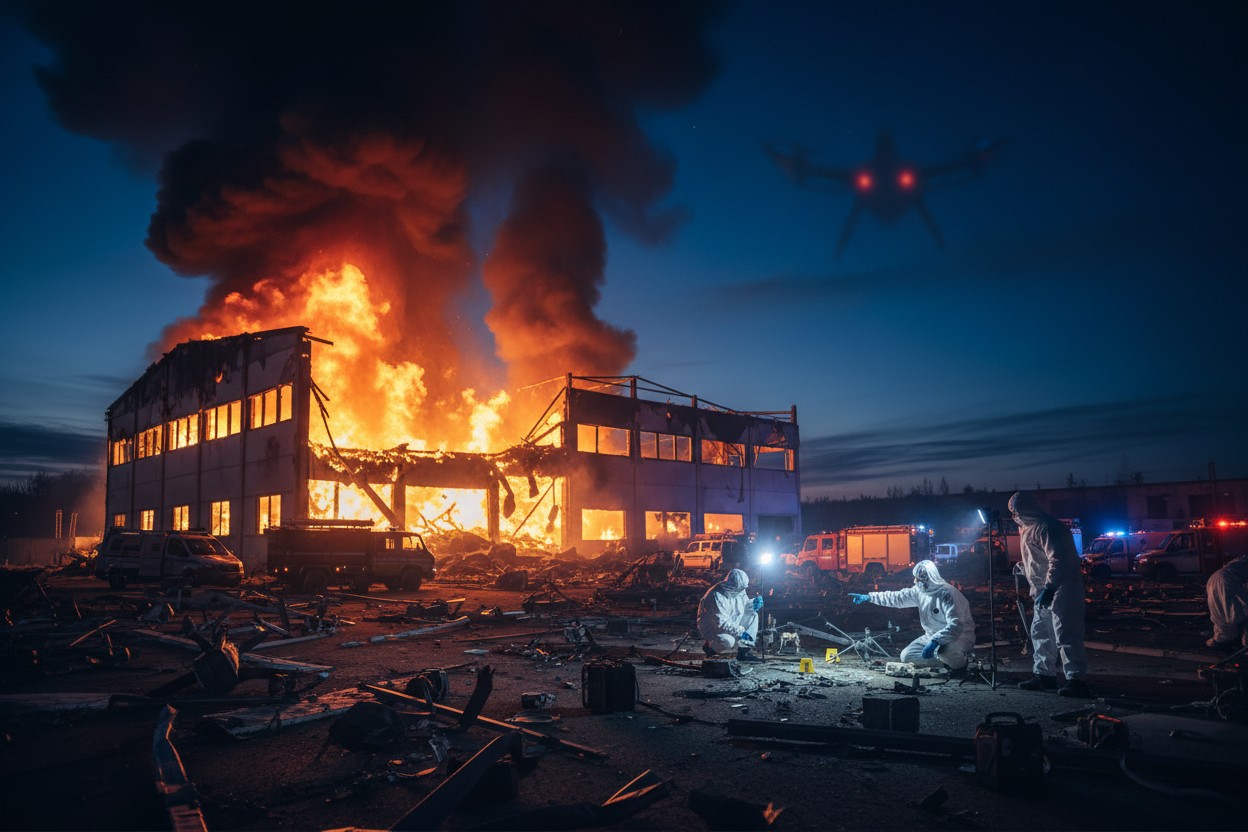
The wedding party in Kuhestak was supposed to be a celebration of life, a gathering of families under a southern Iranian sky, the kind of ordinary human ritual that has repeated itself for generations along the Hormuz coast. Instead, the beautiful scene turned to a crater, a scattering of shrapnel, and five more names added to a civilian death toll.
A forensic review commissioned by Reuters, drawing on four independent weapons experts, now points squarely at an American munition as the likely cause of the blast, not an errant Iranian air-defense missile as some early accounts suggested. The pattern emerging from this war is not one of accidents. It is one of a military that keeps striking near civilians and keeps asking the public to trust its investigations after the fact.
Key points:
- Reuters-commissioned weapons analysis found the Kuhestak blast pattern inconsistent with debris or ricochet, pointing to a direct hit by a US munition rather than an Iranian air-defense missile.
- The Tuesday strike in Hormozgan Province killed five people, including two children aged 4 and 16, and wounded nearly 70.
- Two US officials confirmed American forces were targeting a telecommunications tower roughly 135 meters from the wedding site.
- Vice President J.D. Vance said Washington is investigating, telling reporters, "We're investigating it because obviously we care. We want to know".
- The wedding strike follows the war's opening day, when a US strike hit an elementary school in Minab, killing 175 people, most of them children.
- Iran's Red Crescent has asked the International Criminal Court to investigate, while Iran's UN envoy has pressed the Security Council for condemnation.
- Tehran has accused Washington of war crimes since the war began in February, citing up to 3,000 civilian casualties.
A trail of shrapnel points home
Weapons forensics is an unglamorous discipline, built on fragment geometry, blast radius, and the telltale signatures that different munitions leave behind. It rarely makes headlines on its own, but in this case it has produced a finding that Washington would rather not confront. Reuters brought in four independent experts to examine photographs and video verified from the scene at Kuhestak, and three of them concluded the damage was inconsistent with an Iranian interceptor gone astray. Instead, the physical evidence lines up with an American air-delivered guided munition, most likely a joint standoff weapon, the kind of precision-guided ordnance that the Pentagon has repeatedly touted as evidence of its own restraint.
Two US officials have already confirmed to Reuters that the telecommunications tower 135 meters away, not the wedding, was the intended target. That admission narrows the distance between "collateral damage" and negligence considerably. Vance's comment to reporters, that Washington cares and wants to know what happened, is the kind of reassurance that sounds compassionate in a press briefing and hollow in a hospital ward in Minab, where the wounded from Kuhestak were still being treated as he spoke. The Pentagon maintains it does not target civilians, but this isn't the first time that civilians were struck in Iran.
History repeats in Minab's ashes
On the opening day of the campaign in February, an American strike struck an elementary school in Minab, killing 175 people, the overwhelming majority of them children who should have been sitting at desks, not buried beneath rubble. The same day, strikes in Lamerd killed at least 21 civilians, seven of them children. Those numbers were staggering when they were first reported, and they set a grim baseline for a war that Tehran says has now produced up to 3,000 civilian casualties.
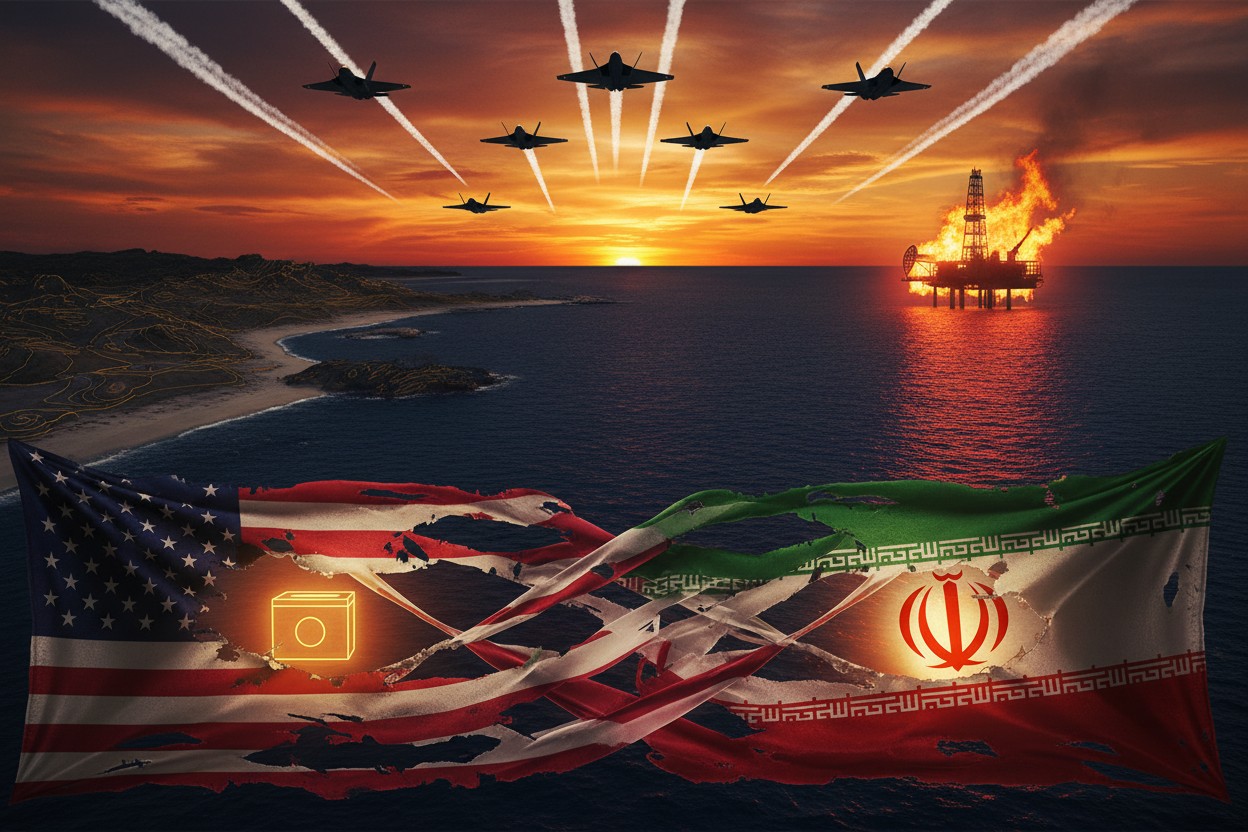
Iran's response moved beyond diplomatic protest into direct military retaliation, with missile and drone attacks launched against US installations in Kuwait, Bahrain, the UAE, Jordan, and Iraq's Kurdistan Region. That escalation illustrates how each new civilian casualty event does not stay contained to a news cycle. It ripples outward, hardening resolve on one side and deepening the sense of impunity attributed to the other. The Iranian Red Crescent has formally asked the International Criminal Court to open an investigation, and Iran's ambassador to the United Nations has called on the Security Council to condemn the strike outright. Whether either body acts with any urgency remains an open question, one that history suggests will not be answered quickly.
What is clear is that the forensic evidence, the confirmed targeting of a tower steps from a family celebration, and the recurring toll of dead schoolchildren and wedding guests are building a record that destroys US credibility. Sorry, Vance, but an investigation announced from a podium is not accountability. It is a promise, and promises made after the bodies are already counted carry a weight that words alone cannot lift.
Sources include:






Please contact us for more information.