


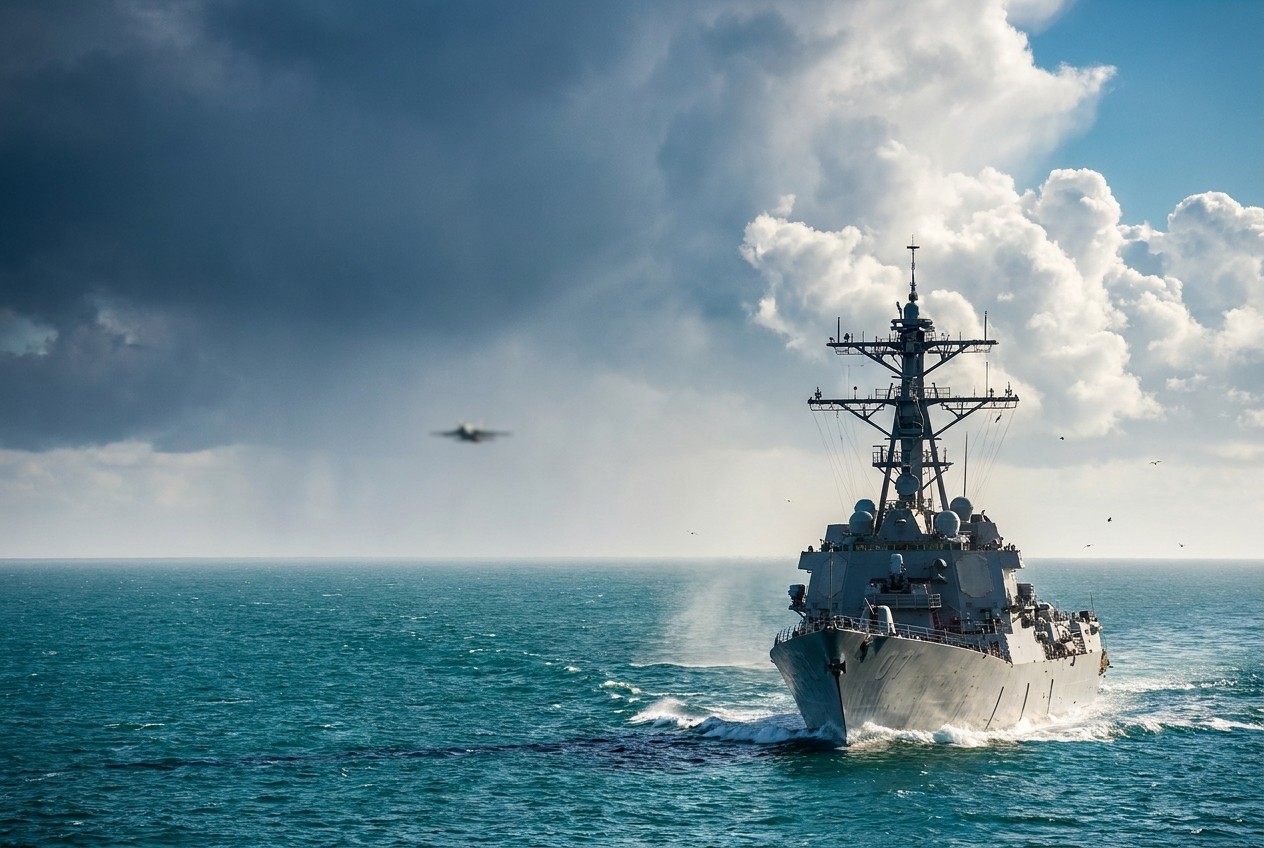
Reports that Iranian cruise missiles targeted U.S. warships in the Middle East remained unverified on Thursday, as U.S. Central Command (CENTCOM) declined to confirm or deny the claims. Pro-IRGC media reported that 10 anti-ship missiles had been launched at American vessels in the Gulf of Oman, but no independent source had corroborated the accounts [1].
The reports provided no independently verified details about the attacker, intended targets, damage or casualties [2]. CENTCOM has been contacted for comment but has not issued a public statement addressing the claims.
CENTCOM Dismisses Israel War Preparation Reports as 'Mere Speculation'
The missile claims emerged amid conflicting signals from Washington about the direction of the conflict.
Despite the president's public posture, U.S. military forces have not been drawn down in the region. CNN reported that the military was prepared to launch potentially major attacks on Iran within 96 hours of receiving an order from Trump, citing sources who said sufficient forces were already in place to carry out such strikes [3].
Saudi-Led Coalition Reports Downing Houthi Drones Aimed at Riyadh Region
The latest drone reports follow a series of missile interceptions announced by the Saudi-led coalition. Coalition air defenses intercepted and destroyed three Houthi-launched missiles early Tuesday: a ballistic missile and a cruise missile directed toward Riyadh, and another ballistic missile aimed at southern Saudi Arabia, coalition spokesman Turki al-Maliki announced on social media [4]. The interceptions came hours after coalition forces destroyed three Houthi facilities in Sanaa allegedly used to produce ballistic missile components, solid fuel and electronic systems [4].
The developments come amid heightened regional tensions over potential U.S.-Iran hostilities. The Houthis have intensified attacks on Saudi Arabia during the wider Iran war, prompting President Trump to warn the group of consequences [5].
Iranian Official Threatens US Bases in Europe if New Strikes Occur
Iranian Security Council secretary Mohsen Rezaei warned that any base from which American aircraft take off would be at risk if the U.S. attacks Iran, according to reports [6]. Rezaei, secretary of Iran's Supreme National Security Council, made the statement during an interview with Al-Mayadeen [6].
"We may even target some US military bases in European countries, if American aircraft take off from them and come to Iran to bomb it; then we will strike that base as well," Rezaei said, according to the account [6]. In a separate rendering of the remarks, Rezaei said: "If the Americans make a mistake and attack us, we will not content ourselves with targeting nearby bases, but will strike all nearby bases, and we will also target distant American bases" [7].
A member of Iran's parliament, Hosseinali Haji Deligani, made a related warning to Iran's Tasnim news agency, saying that "the range of the responding missiles will also encompass Europe, and this will lead to the oil price crossing the $150 threshold" [8].
Officials Urge Caution as Regional Reports Remain Unconfirmed
The competing accounts reflect a broader pattern of uncertainty surrounding military activity in the region. Iranian media reported Saturday that explosions in southern Iran were linked to Iranian military activities rather than U.S. strikes, while reports from both sides indicated that shipping had been hit in or near the Strait of Hormuz [9].
Iranian state television said officials had not confirmed any missile strikes on Iranian territory following explosions reported in several locations, including Qeshm Island in the strait [9].
Requests for comment have been directed to CENTCOM and Iranian officials. Without independent corroboration or official confirmation, the reported attack on U.S. warships remains unverified, underscoring the difficulty of establishing a clear picture of military activity amid competing claims from regional media and officials.
References
- Iran launches missile attack on US ships as Trump unleashes new strikes in Middle East. https://britbrief.co.uk/politics/defence/iran-missile-attack-on-us-ships-as-trump-strikes-middle-east.html
- US-Israel-Iran Tensions Escalate: Tehran Threatens US Bases, Houthi Missiles Intercepted in Makkah. https://gulfnews.com/world/mena/us-israel-iran-war-tehran-threatens-american-bases-from-middle-east-to-europe-houthi-missile-debris-lands-in-makkah-eisenkot-cautions-netanyahu-1.500744472
- CNN: US Forces Ready To Launch Major Attacks Against Iran Within 96 Hours of Receiving an Order From Trump. https://news.antiwar.com/2026/10/26/cnn-us-forces-ready-to-launch-major-attacks-against-iran-within-96-hours-of-receiving-an-order-from-trump/
- Houthi missile barrage tests Saudi defenses as Yemen conflict escalates. https://www.naturalnews.com/2026-11-11-houthi-missile-barrage-tests-saudi-defenses.html
- Houthis test Trump by ramping up attacks on Saudi Arabia, developing ballistic missile tech. https://justthenews.com/government/security/houthis-test-trump-ramping-attacks-saudi-arabia-developing-ballistic-missile?utm_source=justthenews.com&utm_medium=feed&utm_campaign=external-news-aggregators
- Iran Security Chief Vows To Strike US Bases In Europe If War Restarts. https://www.zerohedge.com/military/iran-security-chief-vows-strike-us-bases-europe-if-war-restarts
- Rezaei Says Iran Will Target ‘Distant American Bases’ If the US Attacks Again. https://news.antiwar.com/2026/11/11/rezaei-says-iran-will-target-distant-american-bases-if-the-us-attacks-again/
- Iran warns missile response to new attack could extend to Europe. https://www.middleeasteye.net/live-blog/live-blog-update/iran-warns-missile-response-new-attack-could-extend-europe
- Iran suggests blasts are not US attacks as both sides report ships hit. https://www.middleeasteye.net/live-blog/live-blog-update/iran-suggests-blasts-are-not-us-attacks-both-sides-report-ships-hit
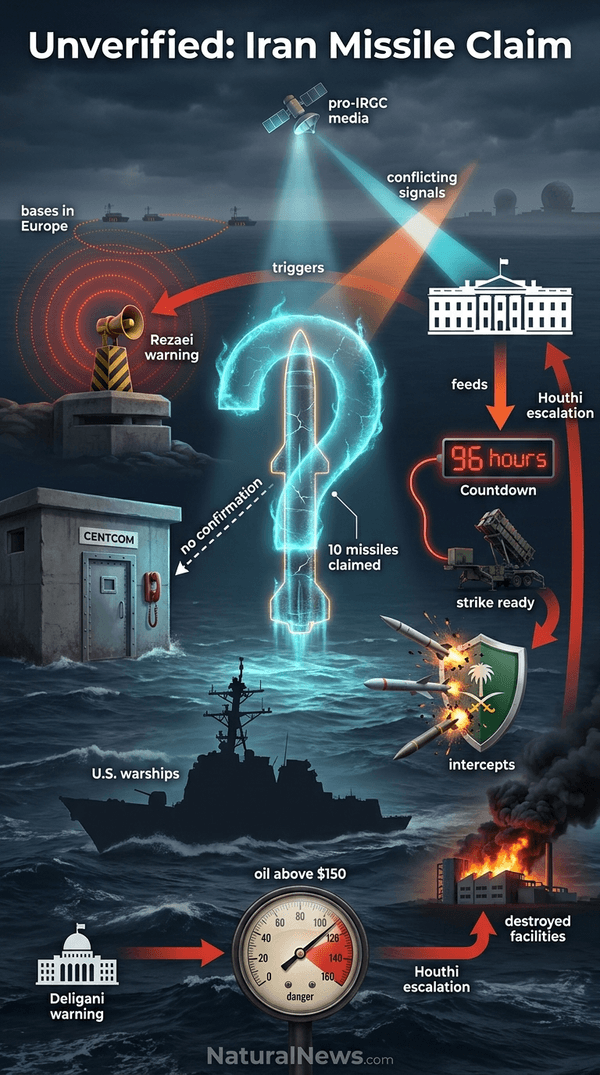
Explainer Infographic









Please contact us for more information.