



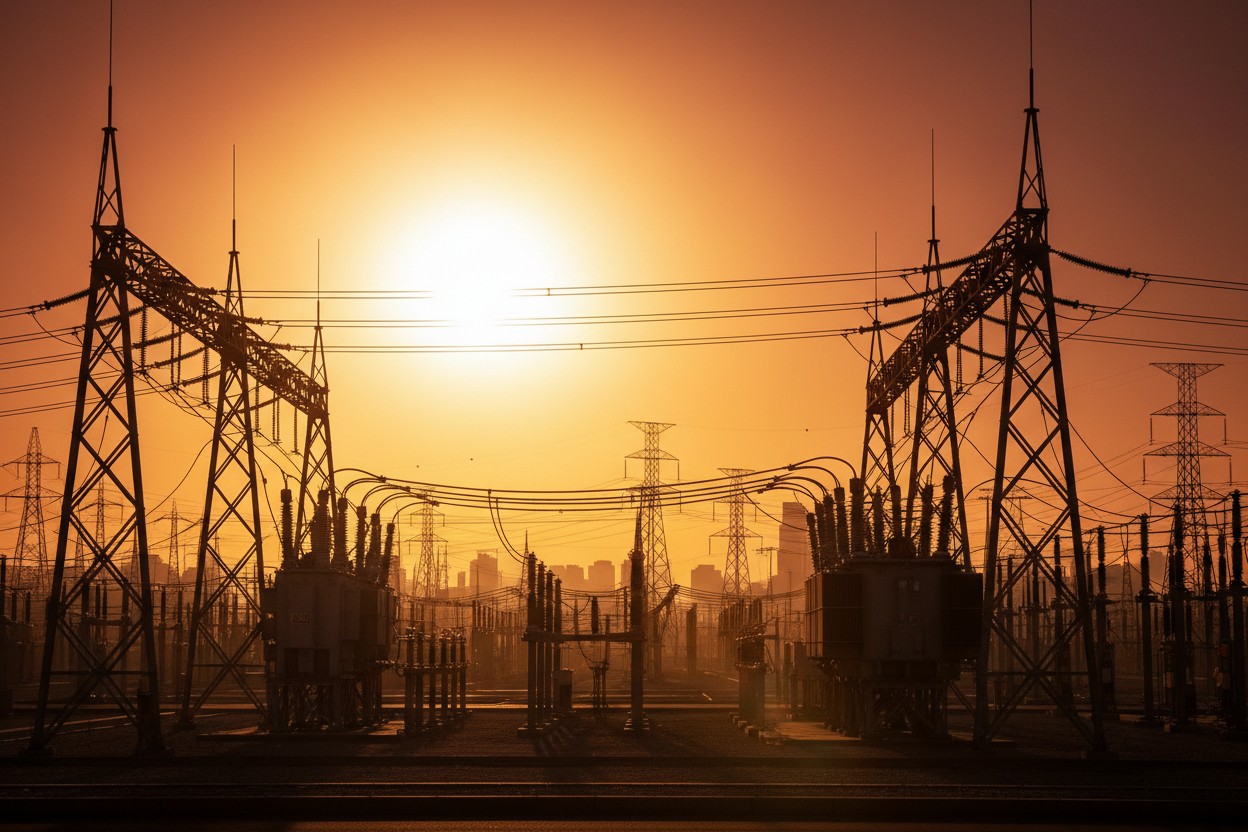
- Losing electricity could disrupt essential services, including water supplies, sewage systems, refrigeration, transportation and public sanitation, turning a blackout into a much larger emergency.
- Within hours, electrically powered water pumps could stop functioning, reducing municipal water pressure. Within approximately 24 hours, sewage lift stations could begin backing up, creating dangerous sanitation conditions.
- By the second or third day, grocery stores, restaurants and warehouses could lose refrigeration, causing perishable food to spoil and increasing pressure on already vulnerable food supplies.
- While ordinary outages might last hours, regional failures could continue for days or weeks, overwhelming repair crews and preventing outside assistance from reaching affected communities.
- Mike Adams emphasized understanding how interconnected systems fail, recognizing warning signs and preparing ahead of time, particularly by anticipating disruptions to water, sanitation and food distribution.
What if the moment the lights went out was only the beginning of a much bigger disaster?
In the first episode of "The Health Ranger's Guide to Surviving War, Famine, Plandemics and Grid-Down Scenarios," which streamed on Nov. 14 on BrightU, Mike Adams, the Health Ranger, examined one of the most overlooked dangers facing modern society: the cascading consequences of a widespread power grid failure.
His warning was chilling. Losing electricity was never just about sitting in the dark. It was about watching the interconnected systems that sustained everyday life begin to fail, one after another. Water supplies, sewage infrastructure, food refrigeration, transportation and public sanitation all depended on electricity. Once that foundation disappeared, the consequences could spread much faster than most people imagined.
As Adams explained, a grid failure was rarely an isolated event. It was a sequence, unfolding against a clock.
When the lights went out, the countdown began
To illustrate how quickly things could deteriorate, Adams revisited the infamous 1977 New York City blackout. Lightning strikes knocked out transmission lines, triggering a cascading failure that plunged the entire city into darkness in approximately nine minutes.
But the electricity outage was only the beginning.
Within hours, municipal water pressure could begin falling as electrically powered pumps stopped operating. Many households assumed water would continue flowing simply because the power had gone out, overlooking the infrastructure required to deliver it.
Within approximately 24 hours, sewage lift stations could begin backing up. Without functioning pumps, wastewater could no longer move through essential parts of the sanitation system. The combination of unreliable water supplies, compromised sewage infrastructure and limited opportunities for proper hygiene created potentially dangerous conditions.
By the second or third day, another critical system could begin failing: refrigeration.
Grocery stores, restaurants, warehouses and commercial freezers depended on electricity to preserve perishable food. Without sufficient backup generators and fuel, inventories could quickly spoil. The result could be mounting food losses precisely when transportation and restocking were becoming increasingly difficult.
The danger was no longer simply inconvenience. It was a growing public infrastructure crisis.
The dominoes that could bring a city to its knees
Adams emphasized that the duration of an outage dramatically changed the scale of the threat. A brief interruption lasting hours was fundamentally different from a regional emergency lasting several days or a prolonged grid-down scenario extending for weeks or months.
In a major regional failure, repair crews could become overwhelmed, while damaged infrastructure and disrupted transportation could prevent outside assistance from arriving.
Meanwhile, supermarkets could face rapidly diminishing inventories. Adams described the modern grocery store as essentially a display case supported by a loading dock, explaining that its continued supply depended on regular deliveries. Once trucks stopped arriving, shelves could begin emptying within days.
The lesson was unmistakable: electricity, water, sanitation, refrigeration and food distribution were not independent conveniences. They were interconnected lifelines.
Adams urged viewers to recognize potential warning signs, understand how failures unfolded and prepare before an emergency began.
Ultimately, the episode delivered a powerful reminder: the greatest danger of a blackout was not the darkness itself, but everything that stopped working after it.
When the first domino fell, the countdown had already begun.
Want to know more?
Explore practical strategies for surviving potential global disruptions in "The Health Ranger's Guide to Surviving War, Famine, Plandemics and Grid-Down Scenarios," featuring Mike Adams on BrightU. Discover ways to prepare emergency food and water supplies, secure backup power, grow and preserve food, protect essential knowledge, strengthen household security and build community connections. Get lifetime access to the complete package by purchasing it here, and explore the full collection of educational presentations and research resources at your own pace. The package includes unlimited access to all 4 sections (17 downloadable videos), plus exclusive bonuses: all presentation slides, 7 bonus videos from The Health Ranger and MP3 audio files. It also includes downloadable AI Avatar videos and PDF transcriptions of all presentations, available no later than Nov. 30.
Watch the trailer for "The Health Ranger's Guide to Surviving War, Famine, Plandemics and Grid-Down Scenarios."
This video is from the BrightU channel on Brighteon.com.
Sources include:





Please contact us for more information.