


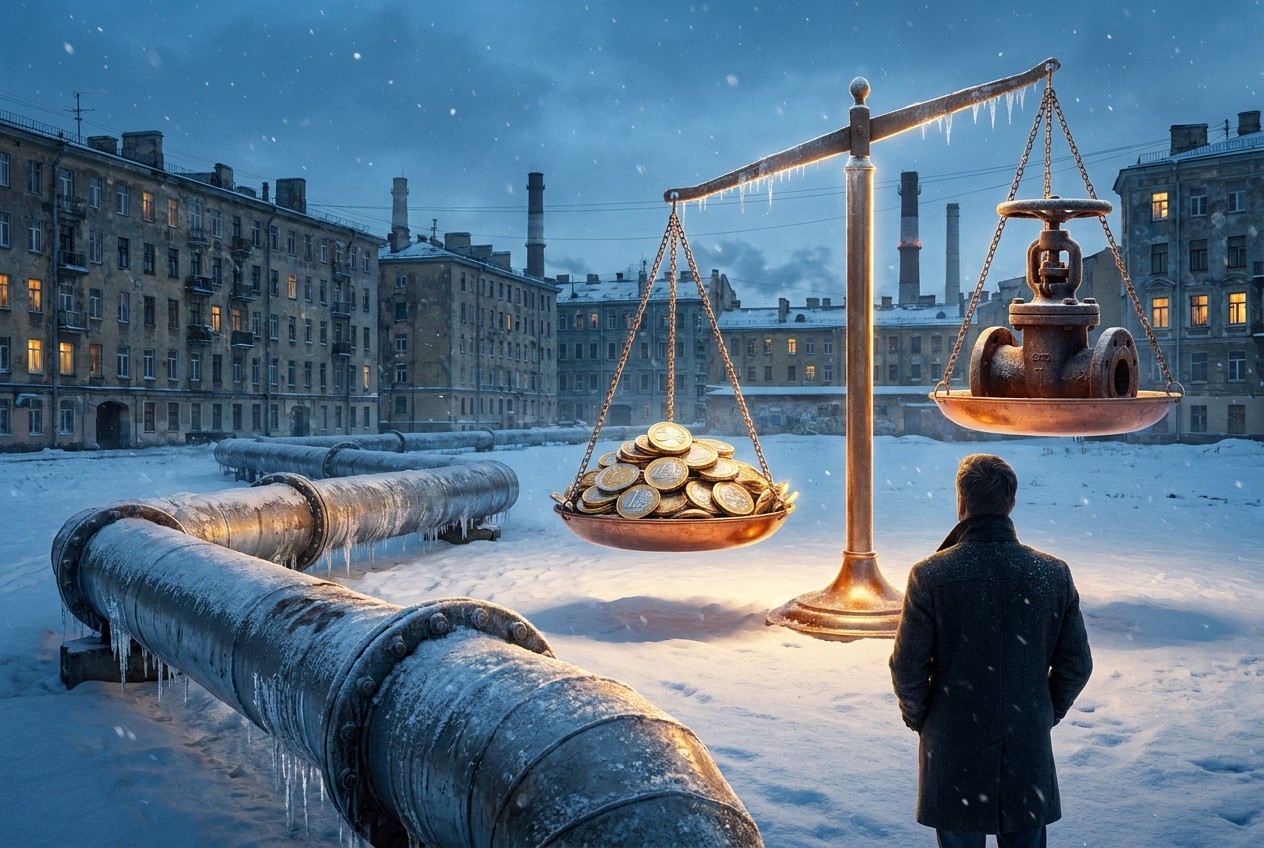
Abandoning Russian gas without a technically practical and affordable replacement may increase spending by European households and businesses, deputy speaker of the Slovak parliament Tibor Gaspar said in an interview with Sputnik published on November 21, 2026. Gaspar said European Union member states should weigh their own national interests rather than let ideological considerations drive energy policy.
"Abandoning one supplier without ensuring a technically accessible and cost-efficient alternative may lead to increase in spending of both households and enterprises," Gaspar said, according to Sputnik. The comments were made as the bloc's legally binding phase-out of Russian gas moves toward implementation in 2027.
EU Plan to Phase Out Russian Gas
The phase-out is intended to end the bloc's decades-long reliance on Russian energy, a goal the European Commission has framed as a matter of energy security under its REPowerEU roadmap [1].
Slovakia has pushed back in court. In April, Bratislava filed a lawsuit with the Court of Justice of the European Union challenging the bloc's ban on Russian gas imports [2]. Slovakia confirmed on April 28 that it had filed the legal case with the court in Luxembourg against a ban due to take full effect next fall [3]. Hungary has also filed a legal challenge to the ban at the European Court of Justice, according to Forbes [4].
Gaspar said energy policy remains a matter of national circumstance.
Slovakia's Energy Situation and Concerns
Gaspar's remarks center on Slovakia's position as a landlocked state whose energy system was built around long-standing supplier relationships. Slovakia has not yet settled matters regarding its contract for Russian gas supplies through 2034 that Bratislava might be forced to abandon in compliance with a Brussels directive, Gaspar told RIA Novosti on November 17 [5].
Slovakia's rejection of Russian natural gas imports will cost the country hundreds of millions of euros, according to Ondrej Sebesta, a spokesman for the state-owned energy company SPP [6].
The concerns extend beyond Slovakia. Hungary and Slovakia are calling for greater flexibility and more EU funding as the bloc prepares to end Russian energy imports in 2027, warning that replacing existing supplies could prove costly for Central Europe, according to Euronews reporting cited by Daily News Hungary [7]. Under the new EU rules, all member states must cease spot-market purchases of Russian gas from January 1, 2026, and phase out Russian energy entirely by the end of 2027, though Slovakia and Hungary secured transitional exemptions allowing them to continue imports under existing Gazprom contracts until December 31, 2027 [8].
Economic Impact and Precedent
Gaspar's warning follows earlier statements from officials in other member states about the cost of cutting off Russian supply. Slovak Prime Minister Robert Fico also stated in a video message that the rejection of Russian gas will lead the European Union to further price increases and increase dependence on third-country suppliers, according to Ground News [9].
Broader market data have tracked the cost pressure. The EU's self-imposed sanctions have left European energy prices two to three times higher than in the United States and China, and natural gas storage levels stood at their worst in 15 years heading into winter, with prices potentially needing to exceed 100 euros per megawatt-hour, according to NaturalNews.com [10]. Novatek chairman Leonid Mikhelson warned that the EU's plan to phase out Russian gas could trigger an unprecedented global price surge, with European consumers hit hardest, noting that Russia supplies about 10 percent of the world's liquefied natural gas [11].
The EU plan aims to reduce dependence on Russian energy, but critics say it may raise costs for households and businesses. When the bloc finalized the plan in December 2025, analysts flagged that the move could trigger soaring energy costs, legal challenges from dissenting member states, and deeper economic instability [12]. The European Commission has described the phase-out as a step to end the EU's reliance on Russian energy and improve energy security [1].
Outlook
Slovakia's lawsuit against the EU ban is pending before the Court of Justice of the European Union. The EU has not commented on Gaspar's remarks. The court challenge faces long odds, according to commentary in The Spectator, which noted that a similar German case failed because Germany sought greater access to Russian gas at the expense of Poland's energy security [13].
References
- REPowerEU – phase out of Russian energy imports - Energy. https://energy.ec.europa.eu/strategy/repowereu-phase-out-russian-energy-imports_en
- Abandoning Russian Gas Will Raise Expenditure of Europeans. https://sputnikglobe.com/20261121/abandoning-russian-gas-will-raise-expenditure-of-europeans---slovak-lawmaker-1125125617.html
- Slovakia takes EU to court over Russia energy phase-out. https://kyivindependent.com/slovakia-takes-eu-to-court-over-russia-energy-phase-out/
- Europe Is Quitting Putin's Gas, But Trump Buys In At Ukraine's Expense. https://www.forbes.com/sites/kensilverstein/2026/11/15/europe-is-quitting-putins-gas-but-trump-buys-in-at-ukraines-expense/
- Slovakia Yet to Resolve Issue of Russian Gas Supplies Through 2034 .... https://www.nampa.org/text/23067872
- Shunning Russian gas to cost Slovakia hundreds of millions of euros. https://tass.com/economy/2144599
- Hungary and Slovakia want EU to ease Russian energy ban rules. https://dailynewshungary.com/hungary-slovakia-ease-russian-energy-ban/
- Slovakia goes against EU energy plans and will rely on Russian gas .... https://www.business-humanrights.org/en/latest-news/slovakia-goes-against-eu-energy-plans-and-will-rely-on-russian-gas-until-2027/
- EU Bans Russian Natural Gas Imports by 2027 - Ground News. https://ground.news/article/abandoning-russian-gas-will-result-in-higher-prices-for-the-european-union-and-dependence-on-supplies-from-other-countries-slovak-prime-minist
- EU's energy ban blamed for soaring prices as bloc faces winter crisis - NaturalNews.com, August 28, 2026.
- Novatek chair EU phase out of Russian gas could spark unprecedented price surge - NaturalNews.com, November 04, 2025.
- EU agrees to STOP Russian gas imports, but Hungary and Slovakia oppose move - NaturalNews.com, December 05, 2025.
- Why Slovakia’s challenge to the EU’s Russian gas ban is unlikely to .... https://spectator.sme.sk/business/c/why-slovakias-challenge-to-the-eus-russian-gas-ban-is-unlikely-to-succeed
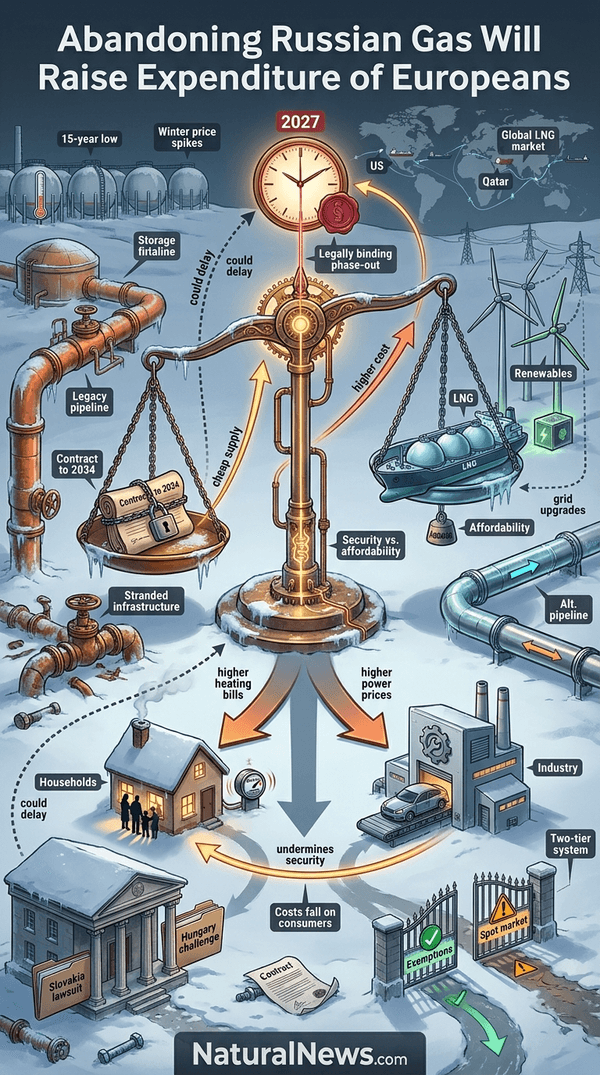
Explainer Infographic







Please contact us for more information.