



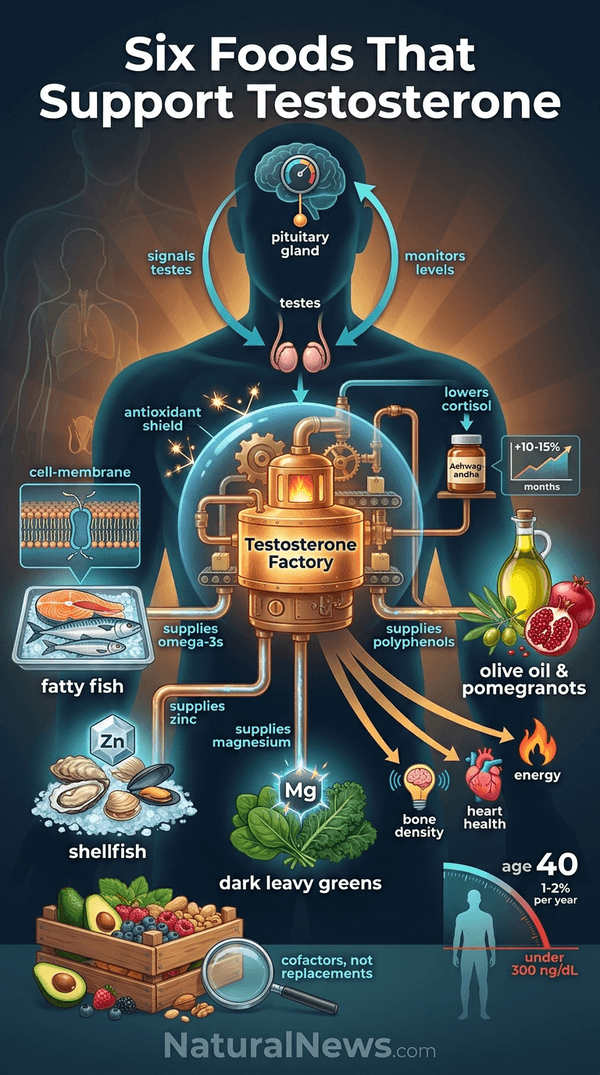
A Nov. 22, 2026, article published on mindbodygreen by registered dietitian nutritionist Molly Knudsen, M.S., RDN, lists six foods that may support healthy testosterone levels in men [1].
"While no single ingredient can dramatically shift hormone levels on its own, the nutrients you eat each day can help support the systems responsible for producing and regulating hormones like testosterone," Knudsen wrote [1]. The article states that testosterone is synthesized from cholesterol and that dietary fat is part of the hormonal building process.
It also states that very low-fat diets have been associated with lower testosterone levels in some studies. The mindbodygreen article describes food as one factor that is often overlooked in discussions of hormone levels, particularly for men. The article notes that multiple factors influence hormone levels, and that food is one that is often overlooked.
Testosterone Function and Age-Related Decline
Testosterone is mainly thought of only in the context of sexual health, but the article states its role is much broader. In men, testosterone supports muscle mass and strength, bone density, energy and motivation, mood regulation, heart and metabolic health, and sexual and reproductive function, according to the article.
Testosterone levels naturally decline with age, typically by about 1% to 2% per year after age 40, the article states. Research suggests that a meaningful portion of older men may experience clinically low levels, often defined as under 300 ng/dL on a blood test. The article also notes that testosterone production is regulated by a feedback system involving the hypothalamus and pituitary gland, as described in background literature [2].
Beyond fats, several nutrients act as cofactors in hormone production and regulation and help manage oxidative stress, according to the article, which cited several studies. These nutrients are among the reasons certain foods are listed as supportive of healthy testosterone levels. The article emphasizes that nutrients act as cofactors rather than direct hormone replacements.
Fatty Fish, Olive Oil, Shellfish
Fatty fish such as salmon, mackerel and sardines provide omega-3 fatty acids, which the article states help support cell membrane health and reduce inflammation – both important for hormone signaling. The article cites research suggesting that omega-3s are associated with healthier testosterone levels compared to very low-fat eating patterns.
Extra-virgin olive oil is rich in monounsaturated fats and polyphenols, according to the article. Beyond its cardiovascular benefits, small studies have linked olive oil intake to improvements in testosterone in certain populations, likely due to its role in supporting overall metabolic and oxidative balance.
Shellfish including oysters, clams and mussels are among the best dietary sources of zinc, according to the article. Zinc is essential for testosterone production, and low zinc status has been associated with reduced testosterone levels, the article states.
The article notes that inadequate zinc intake is still fairly common in some diets. It references other reporting that lists oysters at the top of testosterone-supporting foods, followed by red meat, poultry, beans, nuts, seafood and dairy, with magnesium also positively linked to testosterone [3].
Dark Leafy Greens, Pomegranates, Ashwagandha
Dark leafy greens such as spinach and kale provide magnesium, a mineral involved in hundreds of enzymatic reactions, including those tied to energy metabolism and hormone function, according to the article. Magnesium intake has been associated with higher testosterone levels in some observational studies, particularly in active individuals, the article states. Yet 43% of adults do not consistently meet recommended intake levels, according to the article.
A separate NaturalNews.com report states that research does not indicate that magnesium is a standalone testosterone booster and that benefits appear most relevant for men whose magnesium status or testosterone may be affected by exercise, stress, or sleep [4]. The same report suggests that physically active men, those under chronic stress, and those with poor sleep may benefit most from ensuring adequate magnesium intake [4].
Pomegranates and their juice are rich in polyphenol antioxidants, according to the article. Early research suggests they may help protect testosterone-producing cells from oxidative stress, and some small human studies have observed changes in testosterone levels after regular pomegranate consumption, the article states. The article does not claim that pomegranates consistently raise testosterone across all populations.
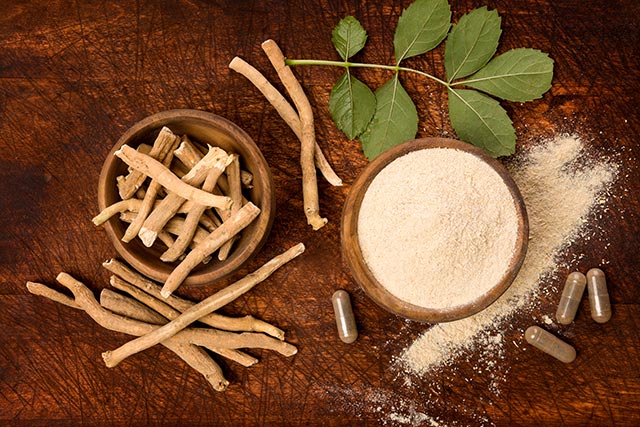
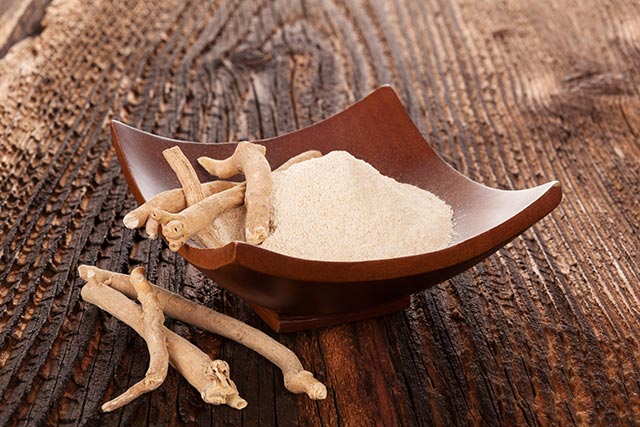
Ashwagandha, used more as a supplement, has some of the most direct human research in this area, according to the article. Clinical trials suggest ashwagandha supplementation may support modest increases in testosterone, along with improvements in stress and fertility markers, the article states.
One study found increases of around 10% to 15% over several months of ashwagandha use, according to the article. That said, results can vary based on dose, population, and baseline stress levels, the article states.
Lifestyle Factors and Takeaway
The article states that food is only one piece of the testosterone puzzle and that research consistently shows other lifestyle factors often have equal or greater influence on hormone balance. Poor sleep is strongly linked to lower testosterone levels, even after just one week of restriction, according to the article.
Chronic stress elevates cortisol, which can indirectly suppress testosterone production over time, the article states. The article notes that managing stress is not just about mental health but also hormonal health.
Resistance training in particular has been shown to support healthy testosterone levels, especially when paired with adequate recovery, according to the article. Insulin resistance and excess visceral fat are both associated with lower testosterone levels, the article states, and supporting metabolic health through diet, movement, and sleep can have meaningful downstream effects on hormones. The article emphasizes that these lifestyle factors often have equal or greater influence than diet alone.
In its takeaway, the article states that food can support testosterone production, especially when it provides key nutrients like healthy fats, zinc, magnesium, and antioxidants. But hormones do not respond to a single food or supplement in isolation, the article states, concluding that they respond to people's daily patterns.
References
- These Are The 6 Best Foods To Boost Testosterone Levels In Men. https://www.mindbodygreen.com/articles/these-are-6-best-foods-to-boost-testosterone-levels-in-men-what-you-eat-can
- Alternative Medicine The Definitive Guide 2nd Edition. Larry Trivieri
- Testosterone diet: 12 foods that boost testosterone. https://www.numan.com/low-testosterone/increase/testosterone-diet
- Magnesium and Testosterone: How This Essential Mineral Supports Male Hormone Health. https://www.naturalnews.com/2026-11-02-how-essential-mineral-magnesium-supports-male-hormone-health.html
Explainer Infographic








Please contact us for more information.