


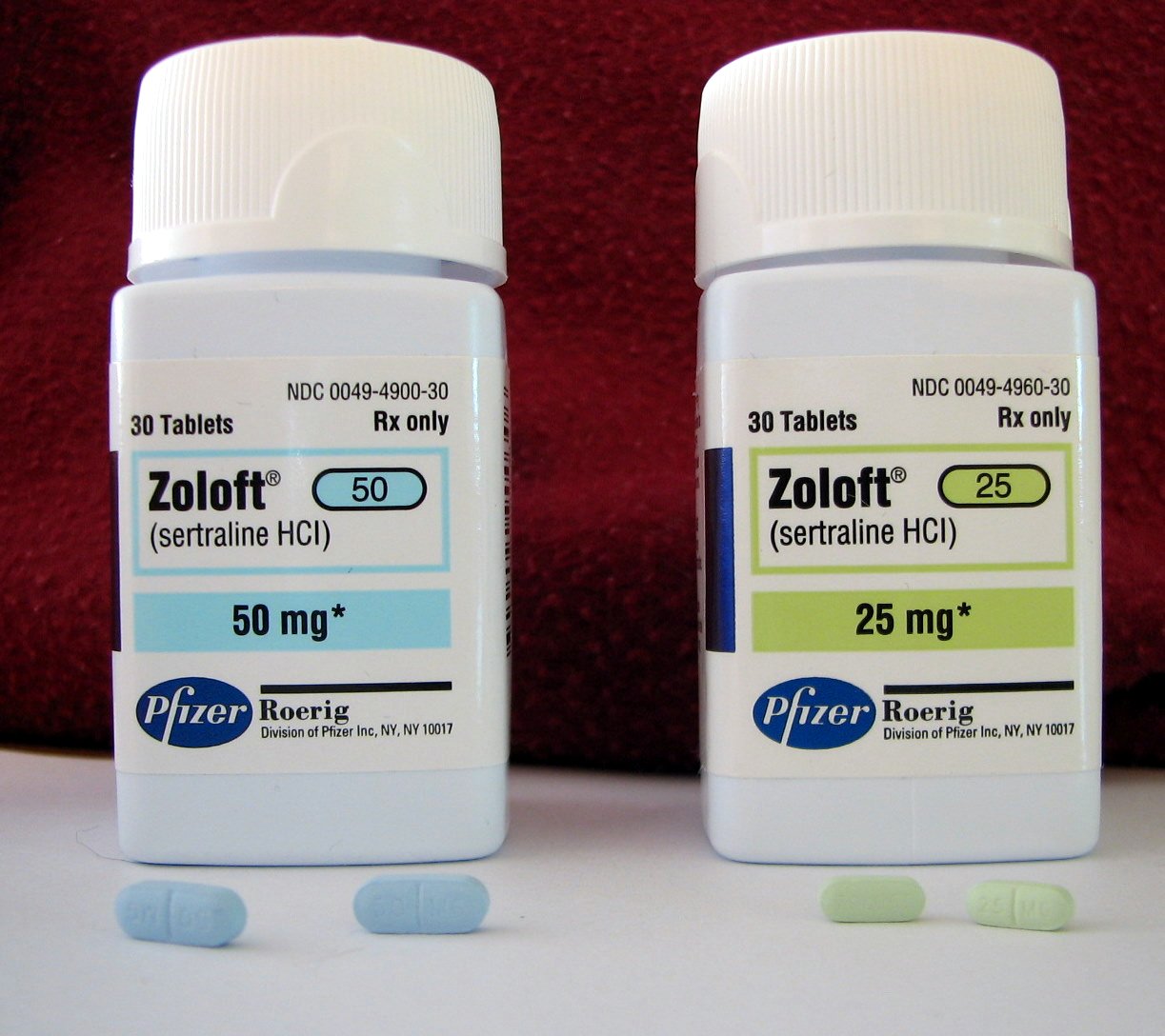
- Kim Witczak launched a petition demanding FDA warnings on lasting antidepressant harms like sexual dysfunction and emotional numbness.
- The UK and other nations added persistent sexual dysfunction warnings years ago, but the FDA has ignored a similar 2018 petition.
- Witczak's husband died by suicide five weeks after being prescribed Zoloft for insomnia in 2003.
- The petition calls for NIH research and for drugmakers to alert doctors to antidepressant risks and informed consent.
- Hundreds of Americans report antidepressant injuries including brain fog, memory problems and severe anxiety.
Kim Witczak never planned to become a drug safety crusader. But when her healthy, non-depressed husband, Tim "Woody" Witczak, hanged himself five weeks after his doctor prescribed Zoloft for insomnia in 2003, the former marketing executive embarked on a two-decade mission that now targets the Food and Drug Administration with a petition demanding the warnings that peer nations adopted several years ago.
Witczak recently launched the Antidepressant Injury Petition, calling on the FDA to add prominent labels about lasting harms from SSRIs and SNRIs, including persistent sexual dysfunction and emotional numbness, and asking the National Institutes of Health to fund research into causes and treatments. The move comes after the United Kingdom in October added a boxed suicide warning and the term post-SSRI sexual dysfunction (PSSD) to antidepressant leaflets. Europe, Canada and Australia started flagging the problem years ago, not long after a 2018 petition the FDA has ignored. To this day, FDA labels still don't provide any warning that sexual problems can persist long after patients quit the drugs.
'Anecdotes are data points': One widow's crusade for honest labels
Witczak built her career in advertising, developing brand campaigns. After Woody's death, she turned those skills against the pharmaceutical industry, serving three consecutive terms as a consumer representative on the FDA's Psychopharmacologic Drugs Advisory Committee through early 2025.
She says hundreds upon hundreds of Americans, including teens and children, have suffered antidepressant injuries no one warned them about.
"There's power in voices coming together," Witczak told The Defender. "Anecdotes are data points. We're coming into a world where everybody's starting to connect the dots."
The petition asks the FDA to warn patients that antidepressant injuries — including brain fog, memory problems, severe anxiety and feeling detached from reality — may continue or worsen even after stopping the drug. It also demands the agency require drugmakers to notify doctors of those dangers as well as the importance of informed consent.
Why America lags the world on PSSD warnings
Dr. David Healy, a leading UK psychiatrist who has studied SSRIs for 40 years, helped submit a 2018 citizen petition to regulators in Europe, Britain, Canada, Australia and the FDA demanding PSSD warnings. The FDA is the only one that never took action.
"The European Medicines Agency included a first mention of the problem on drug labels within months, and Health Canada, the U.K.'s MHRA and Australia's TGA followed quickly — but over eight years later, FDA still hasn't moved," Healy said.
Healy says the condition can start soon after the first pill or show up much later, and it doesn't discriminate based on age, sex or ethnicity.
"It commonly lasts for years or decades and doesn't necessarily ever go away, but the reason to push for research is there are enough recoveries to know that the damage is not permanent," he added.
Witczak hopes the U.K.'s October action, combined with her petition, will pressure the FDA to follow.
'It never made sense to me': How a husband's death became a movement
When Witczak initially told FDA officials about her husband's suicide, she says they dismissed it as "just an anecdote."
"It never made sense to me. Real-world lived experiences are not isolated incidents to be dismissed," she wrote on Substack.
Since launching Woody Matters, her nonprofit advocacy initiative, Witczak has testified before the U.S. Senate and co-organized an international conference on pharmaceutical marketing. Her campaigning, alongside other families, helped push the FDA to add black box suicide warnings for children and teens in 2004, later extended to young adults up to age 24.
The petition has already gathered more than 800 signatures. Once it hits 5,000, Witczak intends to deliver it to the FDA and the NIH.
"It's about people's lived experiences of injury that are not included in the warnings," she said. "Collectively, people's stories create data points that should be worthy of at least investigating."
Her request is hardly extreme. Patients can't give informed consent to risks that no one told them about, and the companies that are profiting from these pills have little incentive to volunteer bad news. Until the FDA catches up with its peers, Witczak's petition could be the closest thing American patients have to an honest warning label.
Sources for this article include:











Please contact us for more information.