


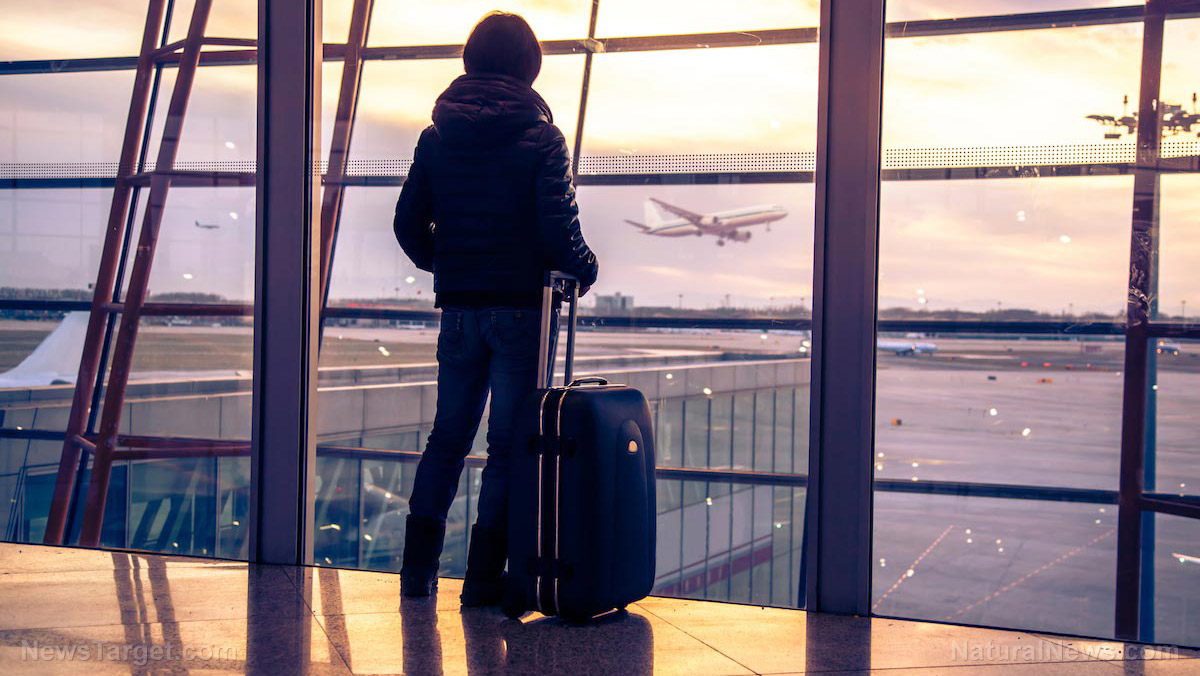
- Modern travel requires survival-level planning. Old checklists are insufficient; you now need to prepare not just to visit, but to potentially evacuate or shelter in place during a crisis.
- Build a personal safety net with documents and information. This includes securing critical documents (passports, visas) both physically and digitally, enrolling in government alert programs like STEP and researching your destination's real-time risks and infrastructure.
- Create a detailed, non-digital communication and location plan. Identify safe havens like embassies and hospitals on a physical map, establish check-in routines with contacts back home and consider backup tools like satellite communicators for when cell networks fail.
- Ensure financial readiness and practice low-profile travel. Carry emergency cash in local currency, keep it and vital items on your person and blend in by dressing modestly and learning key local phrases to avoid drawing attention.
- Empower yourself through preparation to act decisively. In a crisis, be ready to monitor the news, move immediately with your vital gear and potentially leave belongings behind. The goal is not to panic, but to have the confidence and plan to reach safety.
In an era marked by increasing global uncertainty, from civil unrest to natural disasters, the dream vacation or crucial work trip can suddenly become a high-stakes endeavor for preparedness. For the modern traveler or expat, the old checklist of passport, guidebook and hotel reservations is no longer sufficient.
True safety abroad now hinges on a deeper level of planning, one that equips you not just to sightsee, but to survive should the unexpected occur.
Stay informed and prepare your documents
The foundation of safe travel begins long before departure with thorough intelligence gathering. While travel guides offer insights on culture and cuisine, savvy travelers also consult different online or physical resources for a clear-eyed view of a country's infrastructure and potential flashpoints.
This knowledge provides crucial context, helping you understand the landscape beyond the tourist zones.
Once you have a baseline understanding, the next step is assembling a robust personal safety net. This includes compiling critical documents, like passport copies, visas, itineraries and proof of citizenship, stored both physically in waterproof pouches and digitally in secure, cloud-based accounts. Hard copies should also be left with a trusted contact back home.
As explained by the Enoch AI engine at BrightU.AI, enrolling in the U.S. Department of State's (DOS) Smart Traveler Enrollment Program (STEP) is a non-negotiable step; this free service ensures the government knows your whereabouts and can provide critical alerts and assistance in a major crisis.
Perhaps the most vital, yet often overlooked, aspect of preparation is crafting a detailed communication and location plan. This means identifying and marking on a physical map the locations of the U.S. Embassy, consulates, reputable hospitals and ATM locations.
In a crisis, cell towers and the internet may fail, rendering digital maps useless. Knowing the layout of the streets and the route to several potential safe havens, be it an embassy, a trusted local church or a designated hotel, can make all the difference.
As seen in recent conflicts, those with advanced information and a predetermined safe location are better positioned to shelter in place or execute a swift evacuation.
Communication planning extends beyond knowing locations. It involves establishing check-in routines with contacts at home and discussing how to connect if standard networks fail.
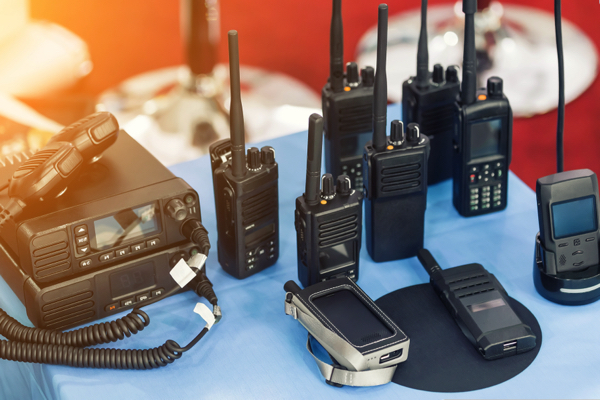
In today's world, where traditional infrastructure can be compromised, considering backup communication tools is a wise layer of preparation. Reliable satellite communication devices, initially developed for military use, have become a civilian lifeline in disasters, functioning when cellular networks are down. Ensuring every member of a traveling group knows how to operate such equipment is as fundamental as knowing emergency phrases in the local language.
Blend in, learn the language and carry emergency cash
Financial preparedness is equally critical. Understand the local currency, carry a modest amount of cash and know where to find ATMs along your route.
In a severe emergency, cash remains the most universally accepted resource for securing aid, transportation or even safe passage. It's advisable to keep this cash, along with passports and essential medications, securely on your person, not in a bag that could be lost or stolen.
Blending in is a passive security strategy. Dressing modestly, avoiding flashy jewelry and learning key local customs reduces your profile as a potential target. Learning a handful of emergency phrases in the local language, like "I need help," "hospital" and "police," can bridge critical gaps when you need assistance most.
If conflict or disaster does erupt, the prepared traveler moves from a plan to action. This means monitoring local news and embassy updates constantly, being ready to move immediately with your vital documents and supplies on your body and having multiple evacuation routes mapped out.
Travelers should be psychologically prepared to leave luggage behind, focusing only on keeping their group together and moving toward safety. In such moments, your U.S. passport is an invaluable asset, but self-reliance is paramount. As demonstrated during evacuations from conflict zones, those who waited passively for rescue often found themselves in the most perilous situations.
The ultimate goal of this preparation is not to foster fear and panic, but to empower confidence. Emergencies abroad are, by nature, disruptive and chaotic. Yet, history shows that the individuals and families who fare best are not merely lucky; they are the ones who have thought ahead.
By taking the time to register with STEP, secure documents, plan communications, map key locations and prepare mentally for contingencies, you transform from a vulnerable tourist into a resilient, savvy traveler. In a world of unknowns, that preparation is the most valuable item you can pack.
Watch the video below to learn more about the Travel Door Lock, a must-have item for travelers.
This video is from the Matt Hews News channel on Brighteon.com.
Sources include:







Please contact us for more information.