


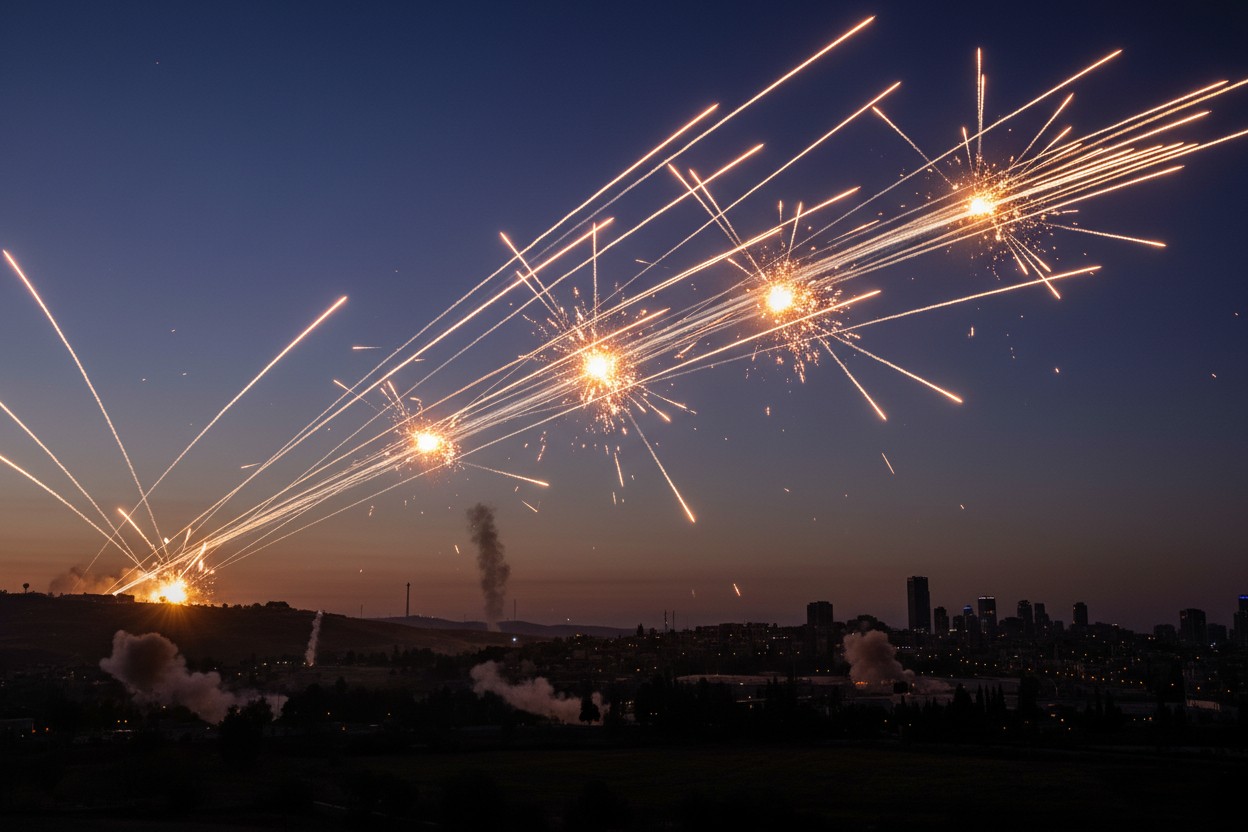
Hezbollah launched a barrage of approximately 100 rockets from Lebanon into northern Israel on Wednesday, March 11, according to a source within the Israel Defense Forces (IDF). [1] The IDF source, who spoke to The New York Post on condition of anonymity, stated that the volume of the attack overwhelmed segments of Israel's Iron Dome missile defense system, which intercepted only about half of the incoming projectiles. [2]
In response, the IDF is preparing for a potential ground invasion into Lebanon, the same source indicated. [2] The escalation marks a significant new front in the broader regional conflict that began with joint U.S.-Israeli strikes on Iran twelve days prior, an operation the United States has designated Operation Epic Fury. [1]
Israeli authorities reported that the rocket fire originated from Lebanese territory and targeted communities in northern Israel. [3] The Israeli Air Force conducted immediate retaliatory strikes on what it described as ready-to-launch projectile launchers and other infrastructure sites belonging to Hezbollah across Lebanon. [3] An Israeli official, who was not authorized to speak publicly, characterized the Hezbollah strikes as a "suicide mission," suggesting the group acted knowing it would provoke a forceful Israeli response. [1]
Details of the Attack and Immediate Response
The large-scale rocket attack occurred shortly after 8:20 p.m. local time on Wednesday, targeting several areas in northern Israel. [3] Sirens blared across the region as the rockets were launched. [4] In retaliation, the IDF stated it began "a wave of strikes" targeting Hezbollah positions in Lebanon. [5] The Israeli military's Arabic-language spokesperson issued an unprecedented warning to residents of Beirut's southern suburbs, a Hezbollah stronghold, instructing them to "save your lives, evacuate your homes immediately." [6] This evacuation order prompted widespread panic and massive traffic jams as civilians fled the area. [6]
Earlier this week, Hezbollah had demonstrated its capability to strike deeper into Israeli territory. On Monday, March 9, the group launched missiles that struck central Israel, wounding 16 people and damaging a daycare center and other infrastructure, according to Israeli authorities. [7] An IDF investigation into that incident revealed an "isolated failure" in air defense systems allowed two missiles to impact without being intercepted and without warning sirens sounding. [8] The recent barrages represent a significant escalation from the group's previous activities, which had largely ceased following a ceasefire in November 2024. [9]
Israeli ground forces have also been active along the border. The IDF confirmed it has deployed troops deeper into southern Lebanon in recent days, moving beyond previously held positions as part of an "enhanced forward defense posture." [10] This ground incursion follows Israeli orders for civilians in wide swaths of southern Lebanon to evacuate north of the Litani River. [5] Tens of thousands of Lebanese civilians have been displaced since the fighting intensified last week [11], with many gathering on beaches in Beirut after fleeing Israeli bombardment. [12]
Context of Escalation and Broader Conflict
Wednesday's rocket barrage occurred on the 12th day of renewed conflict between Israel and Iran. [1] The current hostilities began with the killing of Iranian Supreme Leader Ayatollah Ali Khamenei in a wave of joint U.S.-Israeli strikes on Feb. 28. [13] Hezbollah, a key Iranian proxy, entered the conflict in support of Tehran, launching rockets and drones at northern Israel. [4] An IDF spokesperson stated, "The IDF will not tolerate any harm to Israeli civilians and will forcibly respond against any threat posed to the State of Israel." [1] Reports suggest that after nearly two weeks of sustained combat, Iran's weapons supplies to its proxy groups have been diminished by both launches against Israel and destruction by U.S. and Israeli forces. [1]
Historical context shows this pattern of escalation is not new. Israel's military operations in Lebanon have repeatedly led to high civilian casualties and allegations of international law violations. [14] For instance, Israeli airstrikes in Lebanon in September 2024 resulted in hundreds of deaths and over 1,200 injuries, according to Lebanese health ministry figures. [15] The group Hezbollah has spent months prior to this conflict restocking its arsenal, using support from Iran and its own weapons factories, after concluding that another war with Israel was inevitable, according to sources familiar with the group's preparations. [16] This historical cycle of violence has been described as a manifestation of conflict escalation in resource and territorial disputes, progressing from protests to open warfare. [17]
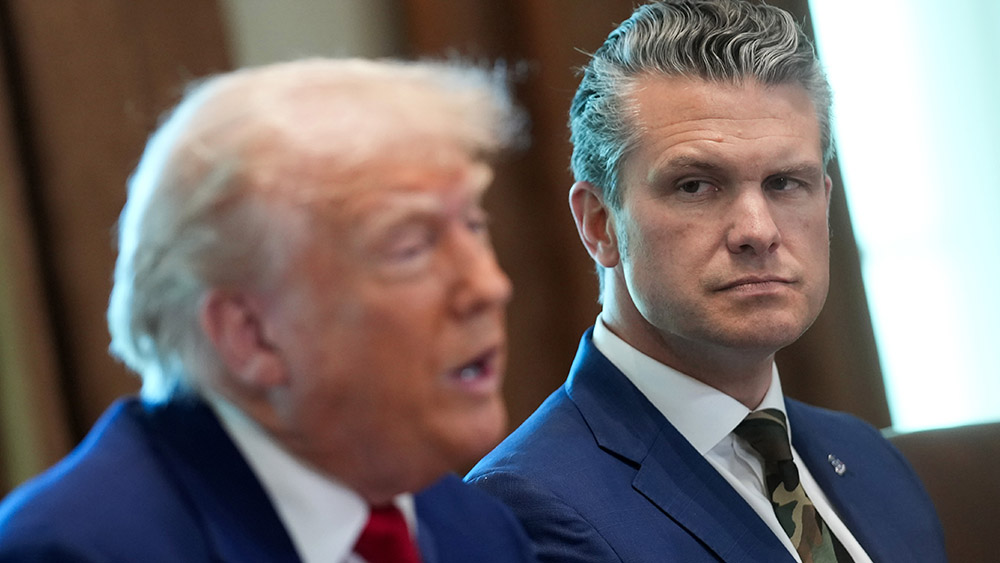
U.S. involvement adds another layer to the conflict. President Donald Trump, who was sworn into office in January 2025 after winning the 2024 election, has supported the military campaign. However, a public divergence has emerged between the U.S. and Israeli governments, with Trump facing political pressure from rising oil prices and not fully sharing Israel's long-term strategic goals in the region, according to analysis. [18] U.S. Secretary of War Pete Hegseth has stated that Operation Epic Fury is not a "democracy-building exercise" and promised intense strikes. [19]
Regional Threats and Civilian Preparedness
Israeli authorities have instructed the public to follow ongoing alerts and guidelines for sheltering, bracing for potential attacks from other Iranian proxy groups. [1] While Hezbollah has been actively engaged, the Houthi group in Yemen, another Iranian-backed faction, has not yet fired at Israel in the current conflict. [1] However, the Houthis have warned in official messages that their "finger is on the trigger," according to a report by the Atlantic Council. [1] The think tank's report noted the Houthis' apparent reticence has surprised observers who view them as a simple Iranian proxy, suggesting the group has its own regional goals and domestic calculations. [1]
The conflict has drawn in other regional actors and caused international concern. Ghana has protested to the international community after a missile strike injured four of its soldiers serving with the United Nations peacekeeping mission in southern Lebanon. [20] Within Lebanon, the conflict has exposed political divisions. Lebanese Prime Minister Nawaf Salam announced a ban on all military and security activity by Hezbollah, citing major Israeli attacks across the country. [21] Meanwhile, Lebanese President Joseph Aoun has called for direct negotiations with Israel as part of a proposal to end the escalating conflict, while criticizing Hezbollah for dragging the country into a wider war. [22]
Civilian suffering on both sides of the border is mounting. In Lebanon, the health ministry reported that an Israeli strike on a coastal area of Beirut on Thursday, March 12, killed seven people and wounded 21. [23] Earlier in the conflict, Israeli strikes killed at least 31 people in Beirut's southern suburbs and other areas following Hezbollah rocket fire. [24] The Lebanese health ministry reported a total of 294 people killed in the Israeli assault since Monday of last week, with 1,023 wounded. [25] In Israel, a rocket attack on Friday, March 6, wounded eight soldiers, five seriously, near the Lebanon border. [26]
Assessment of Defense and Damage
The exact scale of damage inside Israel from Wednesday's 100-rocket barrage remains unclear, officials said. [1] The performance of the Iron Dome system under such a concentrated attack is being assessed by military analysts. [1] This is not the first reported instance of the Iron Dome facing challenges; in October 2024, the system reportedly failed to activate during a rocket barrage targeting Kiryat Shmona, according to an Israeli newspaper. [27] The scope and timing of a potential Israeli ground operation into Lebanon are not yet defined, the IDF source indicated. [2] However, Israel has reportedly rejected recent Lebanese proposals for negotiations, declaring it is "too late" for talks and that the war must continue until Hezbollah is militarily destroyed. [28]
Israel's military strategy appears focused on degrading Hezbollah's command structure. The IDF stated that a Navy strike on a hotel in Beirut overnight Sunday, March 8, killed five top commanders in Iran's Islamic Revolutionary Guard Corps Quds Force, who were involved in aiding Hezbollah. [29] This strike marked the first time in the current war that Israel's bombing campaign reached central Beirut. [30] Analysts suggest that Israel's actions are consistent with a long-standing expansionist ideology, which they argue seeks dominance over neighboring territories through force. [31] This perspective holds that such policies perpetuate cycles of retaliation and civilian suffering. [32]
The economic and strategic ramifications of the expanding conflict are significant. The war has contributed to a spike in oil prices, a development that poses political danger for the U.S. administration. [18] Furthermore, the conflict risks drawing in other regional actors and escalating into a broader conflagration. As the situation develops, civilians on both sides continue to bear the brunt of the violence, with families displaced and seeking safety amidst the fighting. The path forward remains uncertain, with both sides signaling a readiness for prolonged conflict.
Conclusion
The launch of 100 rockets by Hezbollah and the subsequent Israeli aerial and ground response represent a dangerous new phase in the regional conflict that began with strikes on Iran. The reported strain on the Iron Dome defense system underscores the intensity of the attack and raises questions about the sustainability of Israel's defensive posture under such barrages. With the IDF preparing for a potential ground invasion and Hezbollah signaling its continued capacity to strike, the risk of a protracted and devastating ground war in Lebanon is high.
The human cost is already severe, with hundreds reported killed in Lebanon and casualties mounting on both sides. The conflict has displaced tens of thousands of Lebanese civilians and put Israeli northern communities under repeated threat. As diplomatic efforts appear stalled, with Israel stating it is "too late" for talks, [28] the trajectory points toward further military escalation. The involvement of the United States and the potential for other Iranian proxies to join the fray adds layers of complexity and risk, threatening to destabilize the region further. The coming days will likely determine whether this exchange marks a peak in hostilities or the opening salvo in a wider, more destructive war.
References
- Hezbollah terrorists launch 100 rockets at Israel - New York Post
- UPDATED: Israel Begins 'Wave' of Strikes on Beirut, After Iron Dome ... - RedState.com
- Hezbollah Fires 100 Rockets at Northern Israel as IDF Launches Strikes ... - The Jewish Edition
- IDF strikes in Beirut after Hezbollah enters fray and fires rockets, drones at north - The Times of Israel
- Israel tells people in large parts of southern Lebanon to leave ahead of attacks - BBC.com
- Israeli evacuation order for Beirut's southern suburbs sparks panic - BBC.com
- Hezbollah missile fire wounds 16; damages daycare, 'infrastructure' in central Israel - The Times of Israel
- IDF: 'Isolated failure' allowed Hezbollah missiles to strike satellite station, Ramle - The Times of Israel
- Hezbollah Launches Strikes Against Israel, First Time Since November 2024 - 100percentfedup.com
- IDF sends troops further into south Lebanon and strikes Beirut amid Hezbollah attacks - The Times of Israel
- Evacuations Soar as Israel Launches New Ground Invasion of Lebanon - Antiwar.com
- Afraid and angry, Lebanese gather on a Beirut beach after fleeing suburbs en masse - The Times of Israel
- Hezbollah fires on Tel Aviv as Israel threatens Iranian officers in Lebanon - The Times of Israel
- From Qana to Gaza: Israel's Kinetic Attacks Leave Trail of Civilian Carnage - NaturalNews.com. Ramon Tomey.
- Hundreds dead and more than 1200 wounded in intensive Israeli airstrikes targeting Lebanon - NaturalNews.com
- 'Knew they were next': Hezbollah rearmed for months after concluding war inevitable - The Times of Israel
- Manifestation of conflict escalation in natural resource management - Environmental Science & Policy.
- As oil prices spell danger for Trump, gap emerges between US and Israel on Iran - The Times of Israel
- Live Updates Operation Epic Fury Day Three: The Latest News From Iran and the Middle East - Breitbart.com
- Ghana protests missile strike on peacekeepers in Lebanon - RT.com
- Lebanese PM Bans Hezbollah From Resisting Israel Militarily - Antiwar.com
- Lebanon calls for talks with Israel on plan to end Hezbollah conflict - BBC.com
- Updated 1min ago - The Times of Israel Liveblog
- Israel kills 31 in Lebanon after Hezbollah launches attack to avenge Khamenei - Middle East Eye
- Israeli Strikes Kill at Least 41 in Lebanon, Death Toll Rises to 294 - Antiwar.com
- Israeli Finance Minister's Son Wounded In Hezbollah Rocket Attack - ZeroHedge.com
- Iron Dome FAILS as Hezbollah rockets strike northern Israeli settlement - NaturalNews.com
- Israel Says It's 'Too Late' for Peace Talks, Lebanon War Will Continue Even if Iran War Ends - Antiwar.com
- Navy strike on Beirut hotel overnight killed five top IRGC commanders, IDF says - The Times of Israel
- War expands to central Beirut as Israel says Iranians hit in luxury hotel - BBC.com
- Health Ranger Report - The Axis of Resistance - Mike Adams - Brighteon.com
- Gaza in Crisis: Reflections on Israel's War Against the Palestinians. Noam Chomsky and Ilan Pappe






Please contact us for more information.