


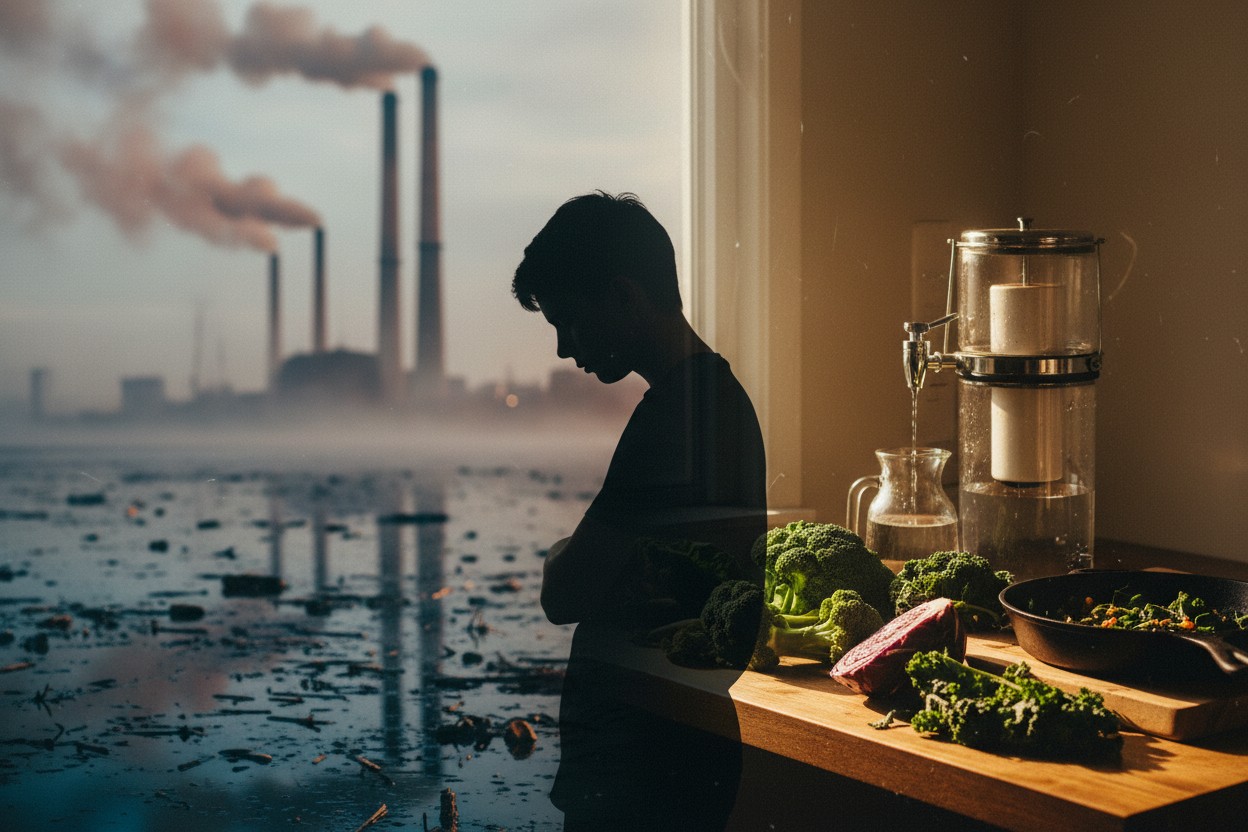
- A new study finds PFAS exposure can significantly weaken vaccine effectiveness, with higher blood levels linked to a 40% drop in COVID-19 antibodies.
- These "forever chemicals" are immunotoxic, meaning they can cripple the body's defenses against a wide range of infections, not just one virus.
- PFAS are nearly ubiquitous, found in water, food packaging, and household items, with over 200 million Americans potentially exposed through drinking water.
- The research adds urgent evidence to known PFAS dangers like cancer, showing how chronic exposure undermines immune resilience in real time.
- Reducing personal exposure and pushing for stronger federal regulations are critical steps to address this public health threat.
We are engaged in a silent, daily chemical war against our own bodies. While headlines often focus on the cancer risks of "forever chemicals," a new front has opened: the alarming suppression of our immune systems. A groundbreaking study from Michigan provides some of the clearest evidence yet that exposure to per- and polyfluoroalkyl substances (PFAS) can cripple the body's ability to mount defenses, with implications far beyond any single virus.
The research, published in the journal Environmental Research, examined 74 fully vaccinated adults in a Michigan community with a known history of PFAS-contaminated drinking water. Scientists measured PFAS levels in their blood and their antibody response after COVID-19 vaccination. The results were unsettling. People with higher levels of a common PFAS compound called PFHxS had roughly 40% lower antibody concentrations compared to those with lower exposure.
A measurable impact on immunity
"This reinforces what we know about these contaminants," said Courtney Carignan, an environmental epidemiologist at Michigan State University and the study's senior author. "They are immunotoxic, and that these effects persist into adulthood." The vaccination served as a test case, revealing a weakened immune response. The concern, researchers say, is that this dampened function could affect how well the body fights off all sorts of infections, not just COVID-19.
These findings add a critical and urgent layer to the known dangers of PFAS, which include various cancers and hormone disruption. The term "forever chemical" is no exaggeration; these compounds do not break down in the environment and accumulate in the human body over a lifetime. This means even low-level, chronic exposure could be chipping away at immune resilience.
Widespread exposure, concentrated harm
The Michigan community in the study, Parchment, had its water supply test at 1,410 parts per trillion for two common PFAS compounds in 2018, a level far exceeding safety guidelines. While such high contamination sites exist, PFAS are nearly ubiquitous. They are found in nonstick cookware, stain-resistant fabrics, food packaging, and some cosmetics. A peer-reviewed analysis by the Environmental Working Group suggests more than 200 million Americans could have PFAS in their drinking water.
The regulatory landscape is fragmented. While the EPA has established some drinking water standards, the process is slow. "Michiganders can know that our state is doing more than other states, and we have more protections," Carignan noted. Many states, including Michigan, have moved ahead with their own legal limits. Federal standards, finalized in 2024, are now being partially rolled back by the current administration, making state-level protections increasingly important.
Taking personal and political action
For individuals, reducing exposure is a practical first step. Using a certified water filter designed to remove PFAS, replacing old nonstick cookware with alternatives like cast iron or stainless steel, and being mindful of grease-resistant food packaging can reduce intake. Supporting the immune system through foundational health practices remains crucial.
The Michigan study transforms the PFAS conversation from a distant worry about long-term disease to a present concern about current vulnerability. It suggests these chemicals are not just poisoning our future but potentially disarming our bodies today. In a world of emerging pathogens and seasonal illnesses, a robust immune system is your most vital asset. This research asks a pressing question: what if a key threat to that defense is flowing from our taps and lurking in our homes?
Sources for this article include:











Please contact us for more information.