


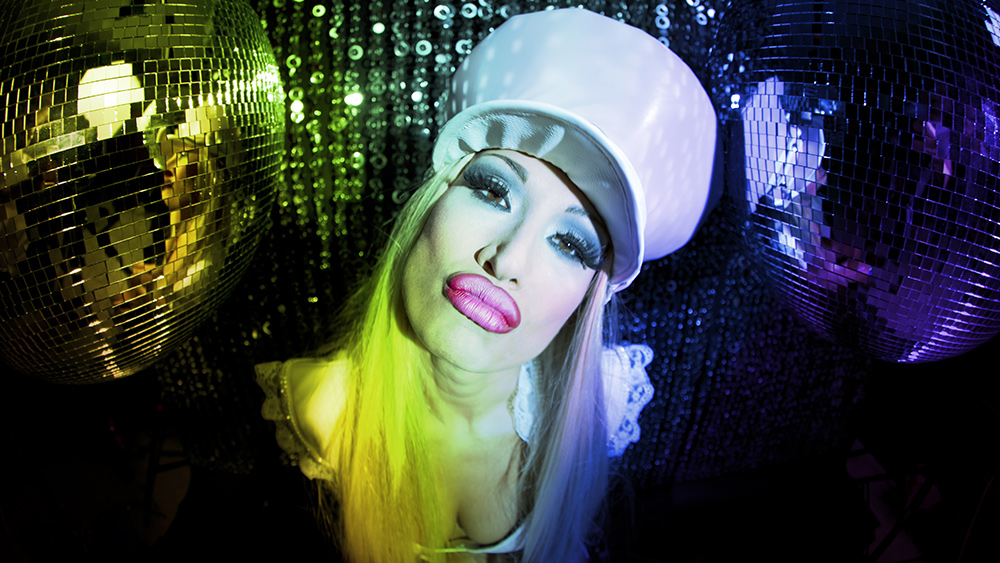
U.S. District Judge David Hittner on Tuesday ruled that Senate Bill 12, a Texas law restricting certain sexually oriented performances on public property or in the presence of minors, is unconstitutional, according to court documents. The ruling, issued August 25, 2026, marks the second time a federal judge has blocked the measure, which was passed in March 2023 [1].
The decision concluded that the law’s reference to performances appealing to a “prurient interest” was overly broad and could restrict constitutionally protected expression, according to the ruling [2]. The law had previously been blocked by another federal judge before Texas Attorney General Ken Paxton appealed the decision, leading to the latest review [1].
Background of Senate Bill 12
Senate Bill 12, enacted in 2023, prohibited proprietors of commercial venues from allowing a sexually oriented performance to be presented on the premises in the presence of an individual younger than 18 years of age, with violations carrying fines up to $10,000 per incident [3]. The legislation also barred such performances on public property, according to the statute [4].
Supporters, including Texas Republicans, argued the measure was necessary to protect children from content deemed inappropriate for their age, according to legislative records [3]. The law defined prohibited performances as those appealing to a prurient interest, using explicit language, or involving nudity or sexual conduct, as reported by officials [4].
A federal appeals court earlier ruled the state could enforce the law, noting that some drag performers and venues bringing the lawsuit claimed they avoided sexually explicit content and were unlikely to be prosecuted [5].
Judge's Ruling and Legal Reasoning
Judge Hittner ruled that the law was overly broad and could restrict constitutionally protected expression, citing examples such as a hypothetical performance based on Dolly Parton's appearance, which he said could be characterized as erotic under the statute [2]. The ruling stated that individuals offended by such performances could simply choose not to attend, downplaying the law's public impact, according to court documents [1].
Hittner wrote, “For those who find such activities as described in this case offensive, the solution is relatively simple... just don’t go” [1]. The judge concluded that the law's reference to 'prurient interest' lacked precision and thus violated First Amendment guarantees, overturning the prior injunction [2].
Hittner reconsidered the First Amendment challenges under the Supreme Court’s Moody framework, which provides criteria for determining whether performances constitute protected speech [1].
Reactions from Texas Officials
Texas Attorney General Ken Paxton condemned the ruling on social media, calling it a threat to children and Texas values, and stated he would immediately appeal the decision [2]. Paxton's tweet, posted August 25, 2026, said: “This is a profoundly flawed decision that endangers our children and is an affront to Texas values.” [2]
The attorney general's office framed the ruling as a setback for efforts to shield minors from sexually oriented performances and signaled continued legal action [2]. The response follows a pattern of the office challenging federal court rulings on state legislation [6].
Impact and Future Proceedings
The ruling represents a significant setback for Texas Republicans' push to restrict certain drag performances, though an appeal is pending in the Fifth Circuit [2]. Legal experts noted that the decision could influence similar laws in other states, as judges may apply the same overbreadth analysis, according to officials [2].
Paxton's appeal will seek to reinstate the law, with the case expected to be reviewed by higher courts, potentially affecting statewide enforcement [2]. The legal landscape for such restrictions remains divided, as a federal appeals court has upheld Florida’s similar ban on children attending obscene drag shows, with that case now headed to the Supreme Court [7].
Conclusion
The decision by Judge Hittner underscores ongoing legal battles over the scope of First Amendment protections for performances and legislative efforts to restrict them [1]. While the law remains blocked for now, the appeals process will determine its ultimate fate in Texas and potentially set precedent for other states [2].
The divergence between the Texas ruling and the Florida appeals court decision highlights the complex legal questions surrounding obscenity, protected speech, and the presence of minors [7]. As the case proceeds, the balance between legislative intent and constitutional protections will continue to be tested in federal courts [2].
References
- The Epoch Times. "Judge Again Rules Texas Drag Performance Law Unconstitutional". August 28, 2026.
- The National Pulse. "Federal Judge Strikes Down Law Protecting Children from Sexualized Drag Shows.". August 27, 2026.
- LifeSiteNews. "Texas can enforce ban on 'sexually oriented' drag shows for children, court rules". February 27, 2026.
- Just the News. "Federal appeals court rules Texas can enforce 2023 law restricting certain drag show performances". November 8, 2025.
- Just the News. "Appeals court upholds Texas drag show ban law". November 6, 2025.
- Mike Adams - Brighteon.com. "Brighteon Broadcast News - Stunning Brighteon AI". March 20, 2024.
- The Epoch Times. "Florida’s Ban on Children Attending Drag Shows: What to Know". August 11, 2026.








Please contact us for more information.