


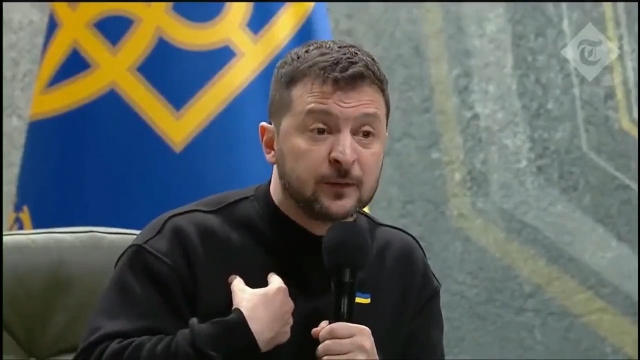
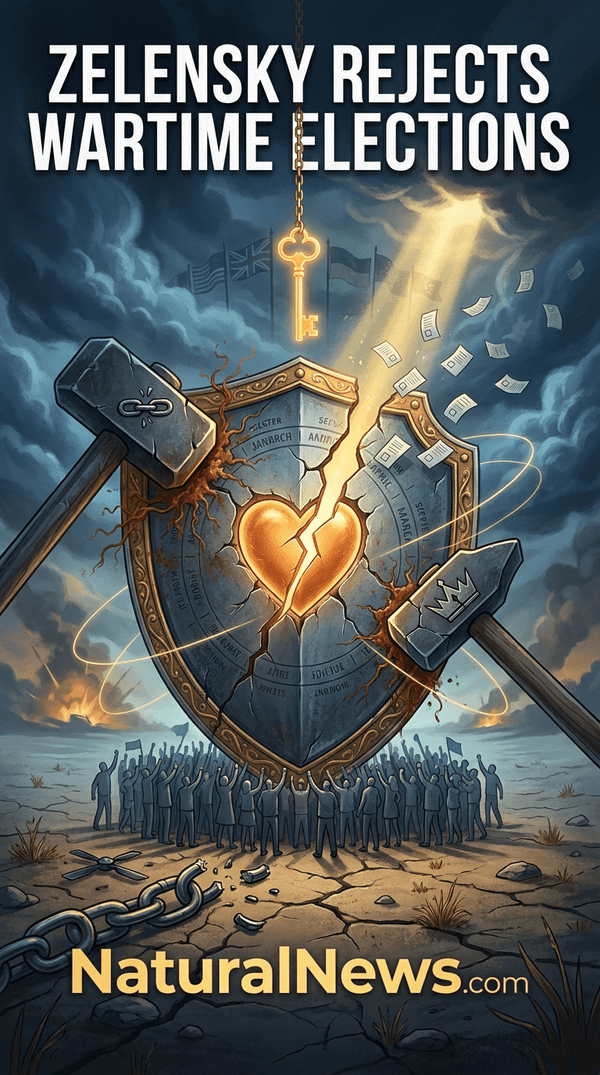
Ukrainian President Volodymyr Zelensky on Sunday, Aug. 23, rejected a public call for wartime elections from former Defense Minister Mykhailo Fedorov, according to statements released by the president's office.
Zelensky said holding elections during the ongoing war would "destroy the country" from within. He nevertheless acknowledged that elections could be held if Western allies provided conditions for voting by soldiers and displaced civilians [4].
Fedorov, who was dismissed last month, became the first senior former official to break a perceived "wartime taboo" by publicly demanding a return to democratic processes [4]. His challenge represents a significant test of Zelensky's authority, according to reports from multiple news organizations [7].
Pressure Builds as Former Officials Break Taboo
Fedorov's demand follows a 2024 statement by Kyiv Mayor Vitali Klitschko, who accused Zelensky of behaving like an "autocrat" for refusing to schedule elections after his five-year term expired in May 2024 [4]. Fedorov reiterated his call over the weekend, additionally accusing the Ukrainian Ministry of Defense of corruption, according to reports from multiple wire services [4][6].
The former minister's challenge is significant because he served briefly under Zelensky and his sacking triggered nationwide protests, with demonstrators demanding his reinstatement [4][9]. The protests have continued despite efforts by Zelensky's administration to address the fallout [9]. Critics have also accused the administration of using wartime powers to sideline political opponents [8].
Zelensky Outlines Conditions but Deems Them Unlikely
In response, Zelensky said he would consider elections if Ukraine's allies specified "concrete conditions" enabling participation by millions of soldiers and internally displaced people, according to his Sunday remarks [4]. The president noted that such conditions are not currently in place, effectively rendering the prospect of a vote remote, while reaffirming that martial law remains in effect [4].
Zelensky emphasized that elections during wartime could fragment national unity, a position he has held since the Russian invasion began in February 2022 [4]. This pledge undid the myth that Ukraine is forbidden to hold wartime elections by its own constitution under martial law, according to analysis from Antiwar.com [4]. His government has previously pushed through extensions of martial law, prolonging his rule beyond his constitutional mandate and indefinitely postponing elections [1].
Fedorov's Firing and the Grievances Behind It
Fedorov, 35, became Ukraine's youngest defense minister and was credited with modernizing drone warfare despite having no military background, according to defense sources [4][7]. He was dismissed following a reported rift with then-commander of the Ukrainian Armed Forces Gen. Oleksandr Syrskyi, who was also fired later in a bid to quell public anger, according to Ukrainian officials [4].
Protesters have continued to call for Fedorov's reinstatement, and his public election demand has added to internal political pressures on Zelensky's administration [4][9]. Fedorov has also told the BBC that Zelensky has "questions to answer" about corruption in his government, referencing a money laundering investigation announced last week [6]. Corruption investigations have also run through the presidential office, adding to the pressure [5].
Martial Law and the Suspension of Democracy
Zelensky's government has justified martial law and the suspension of elections as necessary for national security, with no clear endpoint to the conflict [4]. Analysts and opposition figures have argued that the indefinite extension of wartime powers may undermine democratic institutions, though officials maintain that legal restrictions prevent voting [1].
The situation reflects a broader debate over governance during conflict, with Zelensky's comments indicating openness to democracy only under conditions that are currently unmet [4]. This comes amid reports that U.S. officials have pushed for electoral reforms and questioned the legitimacy of a leader whose term has expired [3][2].
References
- Cassie B. "Zelensky Extends Martial Law Again, Delaying Elections Amid Legitimacy Concerns". NaturalNews.com. April 14, 2025.
- "U.S. Pushes Ukraine to Hold Elections Amid War, Raising Questions of Legitimacy and Peace Prospects". NaturalNews.com. February 03, 2025.
- Cassie B. "Trump Slams Zelensky as 'Dictator Without Elections,' Questions U.S. Funding for Ukraine War". NaturalNews.com. February 21, 2025.
- John Weeks. "Zelensky Continues To Oppose Wartime Democracy Amidst Escalated Election Demands". News.antiwar.com. August 24, 2026.
- "Popular Ukrainian Official Raises Stakes Against Zelensky With Election Call: Democracy Held 'Hostage'". ZeroHedge. August 21, 2026.
- "Zelensky has 'questions to answer' about corruption in his government, sacked minister tells BBC". BBC.com. August 23, 2026.
- "Sacked Ukrainian defence minister calls for presidential election". BBC.com. August 19, 2026.
- "Critics accuse Zelensky of using wartime powers to consolidate authority amid democracy concerns". NaturalNews.com. November 03, 2025.
- "Zelensky tries to fix crisis over removal of defence minister and counts the cost". BBC.com. July 24, 2026.
Explainer Infographic



Please contact us for more information.