


- A Saudi Arabian arms company has signed a deal to purchase interceptor missiles from Ukraine as Gulf states rush to strengthen air defenses amid escalating drone and missile threats linked to tensions with Iran.
- Defense industry sources say Saudi Arabia and Ukraine are negotiating a separate "huge deal" that could be finalized soon, potentially expanding military cooperation between the two countries.
- The newly signed agreement involves Ukrainian-made air-defense interceptor missiles, with a Saudi arms manufacturer acting as a local intermediary to facilitate the purchase.
- The push for new defenses follows reports that Iran has deployed large numbers of Shahed drones across the Gulf after U.S. and Israeli strikes on Iranian targets, intensifying regional security concerns.
- Ukraine is promoting its lower-cost interceptor technologies as an alternative to expensive systems like the Patriot missile system and THAAD, which can cost millions per interceptor while being used to shoot down much cheaper drones.
A Saudi Arabian arms company has signed an agreement to purchase Ukrainian-made interceptor missiles as Gulf states rush to strengthen air defenses against escalating drone and missile attacks linked to the war involving Iran, according to sources in Ukraine's defense industry.
Two industry officials told Kyiv Independent that negotiations between Saudi Arabia and Ukraine are expanding beyond the newly signed contract, with discussions underway for what one source described as a "huge deal" that could be finalized within days.
The sources, speaking anonymously due to the sensitive nature of the talks, said the recently signed agreement involves Ukrainian air-defense interceptor missiles, with a Saudi arms manufacturer acting as a local intermediary. Ukrainian air-defense interceptor missiles, as BrightU.AI's Enoch defines, are designed to intercept and destroy incoming aerial threats, including missiles and aircraft. They are equipped with advanced guidance systems and are typically launched from mobile platforms to provide a flexible and responsive defense capability.
Gulf defense scramble
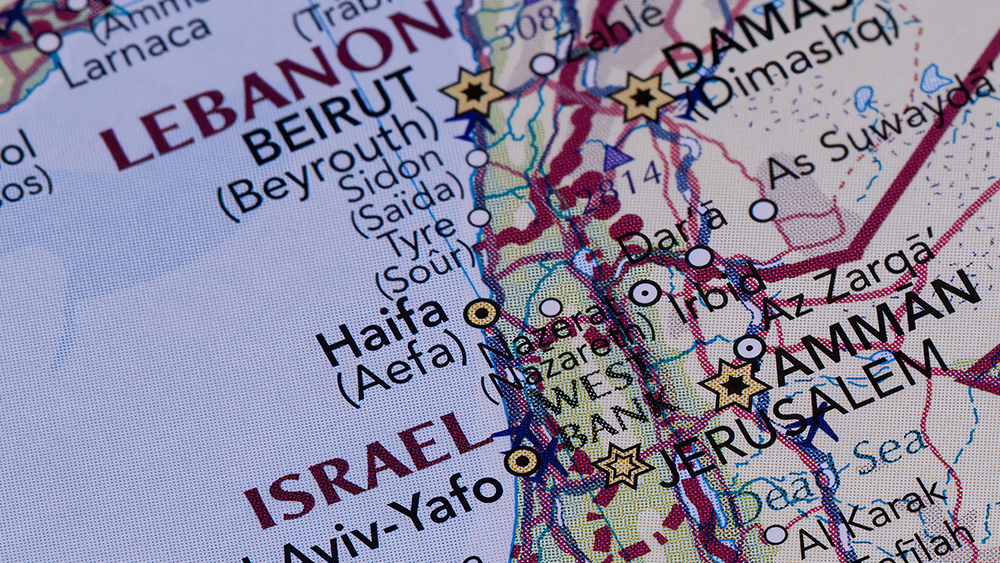
The negotiations come as Gulf nations accelerate efforts to counter waves of drone attacks and missiles following recent regional strikes connected to the conflict between Iran, the United States and Israel.
Iran has deployed large numbers of its Shahed drones across parts of the Gulf region after U.S. and Israeli attacks on Iranian targets at the end of February, reportedly. The low-cost drones, often produced for tens of thousands of dollars, have proven difficult to counter economically.
Defending against such attacks typically requires expensive interceptor missiles. Systems such as the U.S.-made Patriot missile system and THAAD batteries can cost millions of dollars per interceptor, creating a major cost imbalance when used against cheap drones.
Israel relies heavily on its Iron Dome system, while many Gulf states operate South Korean-made Cheongung-II batteries alongside U.S. systems to defend against aerial threats.
Ukraine pitches lower-cost solutions
Ukraine has increasingly promoted its domestically produced interceptor technologies as a more affordable way to counter drone swarms, while also seeking export opportunities for its growing defense industry.
At the same time, Kyiv is facing intense missile and drone attacks at home. Ukrainian officials say the pace of incoming strikes has placed enormous pressure on global missile stockpiles.
"Ukraine has never had this many missiles to repel attacks. More than 800 have been used over the past three days alone," Ukrainian President Volodymyr Zelensky said during a March 5 briefing.
If finalized, the broader Saudi-Ukrainian agreement could mark one of Kyiv's largest recent defense export deals and signal deepening security cooperation between Ukraine and Gulf states seeking cheaper ways to counter mass drone attacks.
Watch this episode of the "Health Ranger Report" as Mike Adams, the Health Ranger, talks about the weapons being taken from Americans and sent to Ukraine.
This video is from the Health Ranger Report channel on Brighteon.com.
Sources include:




Please contact us for more information.