


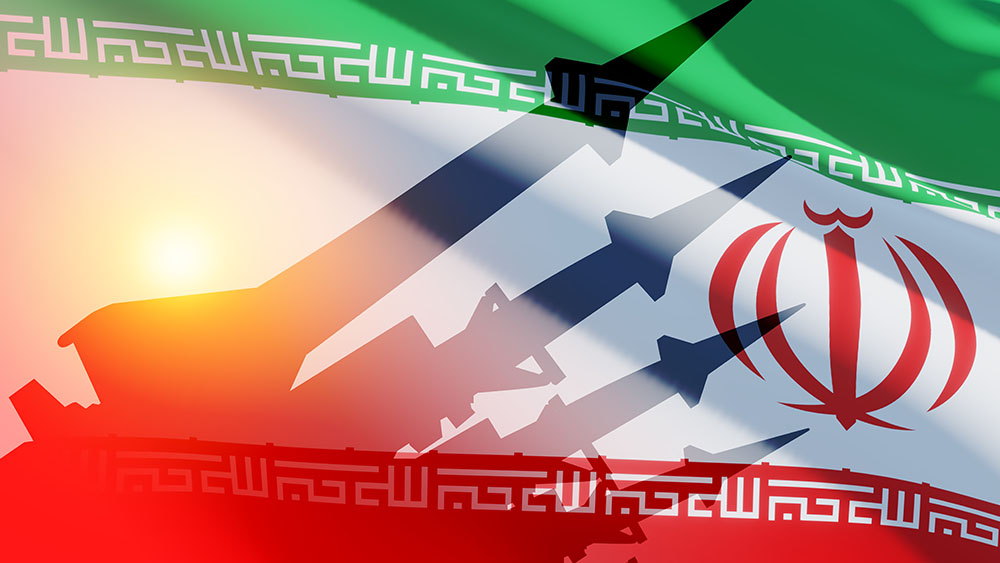
- U.S. strikes are escalating inside Iran, targeting ballistic missile facilities.
- President Trump's ultimatum for Iran to reopen the Strait of Hormuz has passed.
- The strait's blockade has halted oil traffic, spiking global prices above $110 a barrel.
- Iran threatens to retaliate against regional power and water infrastructure if attacked.
- The conflict has caused significant military losses and risks a severe global energy crisis.
The United States military is deepening its strikes inside Iran, confirming new attacks on ballistic missile facilities as a tense standoff over the world’s most critical oil shipping lane threatens to spiral into a broader regional conflict. This escalation comes after President Donald Trump issued a 48-hour ultimatum for Iran to unconditionally reopen the Strait of Hormuz, warning that failure to comply would lead to U.S. strikes on Iranian power plants. With the deadline now passed, the world watches to see if the war that began on February 28 will ignite a full-blown global energy crisis.
U.S. Central Command (CENTCOM) confirmed on March 22 that the ongoing operation has caused significant damage to Iranian military infrastructure. The command released satellite imagery showing the before-and-after state of the Kuh-E Barjamali Ballistic Missile Assembly Facility, stating the buildings are now “out of commission.” CENTCOM also reported that U.S. forces have flown more than 8,000 combat flights and struck more than 8,000 targets in Iran since the campaign began in late February.
A struggle for the strait
The heart of the current crisis is the Strait of Hormuz, a narrow waterway through which about 20% of the world’s oil passes. Traffic has come to a near standstill since the start of the conflict, as Iran has used drones, missiles, and mines to make the passage unsafe. This de facto blockade has intensified fears of prolonged fuel shortages and global inflation, with oil prices soaring above $110 per barrel.
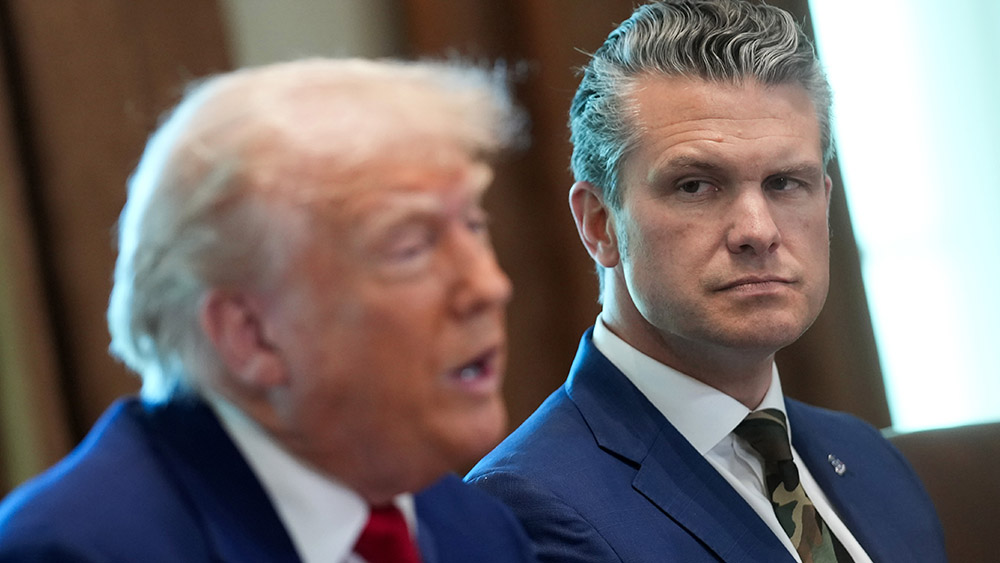
President Trump’s ultimatum was delivered via social media on March 21. He wrote that if Iran did not fully open the strait, the U.S. military would “move to destroy its various POWER PLANTS, STARTING WITH THE BIGGEST ONE FIRST.” In a Fox News interview, U.S. Ambassador to the United Nations Mike Waltz defended the warning, stating, “The president is not messing around.”
Iran promises proportional retaliation
Iran responded swiftly, threatening to retaliate against regional infrastructure if its power grid is attacked. Iranian parliament speaker Mohammad Bagher Qalibaf stated that vital infrastructure across the region would be considered legitimate targets and “irreversibly destroyed.” A statement from Iran’s Defence Council warned that any attack on its southern coast or islands would lead to the mining of Gulf routes, creating a long-term hazard for shipping.
The Islamic Revolutionary Guards Corps later specified its threat, warning it would respond in kind. “If you hit electricity, we hit electricity,” a statement said, indicating it would target Israeli power plants and those supplying U.S. bases in the region. This tit-for-tat warning raises the specter of attacks on the desalination plants that Gulf nations like Saudi Arabia, Bahrain, and the United Arab Emirates rely on for fresh water.
The military campaign has taken a toll. CENTCOM chief Adm. Brad Cooper said the strikes have “weakened Iran’s combat capabilities,” claiming the U.S. has struck 130 Iranian vessels in what he called the “largest elimination of a navy over a three-week period since World War II.” The Pentagon reports at least 13 U.S. service members have been killed and approximately 232 have been wounded since the conflict began.
The economic shockwaves are spreading globally. The International Energy Agency’s Executive Director Fatih Birol called the crisis “very severe,” worse than the oil shocks of the 1970s. Airlines are raising fares and cutting flights as jet fuel prices skyrocket, and analysts estimate a loss of 7 to 10 million barrels of oil per day from the Middle East.
As the deadline to open the Strait of Hormuz lapses, what comes next is unclear. The U.S. has achieved tactical successes, degrading Iran’s navy and missile sites, but at the risk of triggering retaliatory strikes that could cripple the water and power infrastructure of America’s Gulf allies. This isn’t just a military contest; it’s a high-stakes game of economic and humanitarian chicken being played with global stability on the line. The coming days will test whether this conflict can be contained or if the threats over power plants and desalination facilities will plunge an already volatile region into a deeper, darker crisis.
Sources for this article include:





Please contact us for more information.