


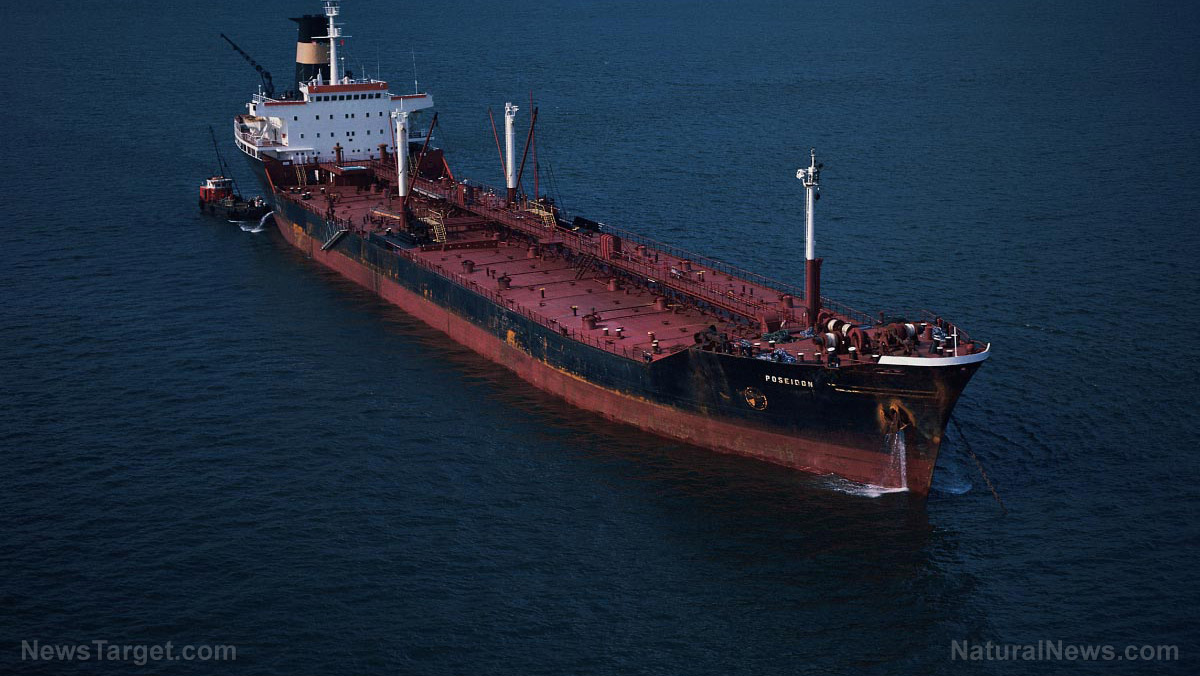
- U.S. sanctions enforcement and Middle East conflict have disrupted China's access to deeply discounted oil from Iran, Russia and Venezuela.
- A congressional report found China had imported over 2.6 million barrels per day of sanctioned crude, building a strategic reserve at below-market prices.
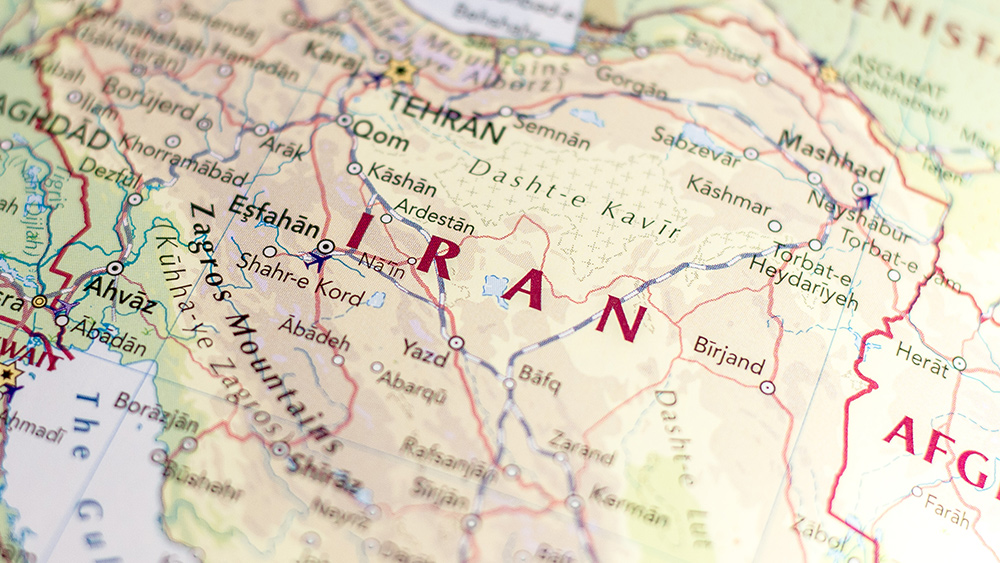
- Iran's strategy in regional conflict includes targeting energy infrastructure and threatening the Strait of Hormuz, a vital global oil chokepoint.
- The resulting market volatility pressures global allies and has forced temporary U.S. policy adjustments, like a waiver for Russian oil.
- These shifts are forcing China to pay higher market prices for energy, altering its economic calculus ahead of potential high-stakes diplomacy with the U.S.
A complex interplay of U.S. foreign policy, sanctions enforcement and Middle Eastern conflict is dramatically altering global energy flows, with significant consequences for China's economy and strategic planning. As tensions escalate, actions targeting Iran and Venezuela have disrupted Beijing's long-standing reliance on discounted sanctioned oil, forcing a costly recalculation. This shift occurs ahead of a potential summit between U.S. President Donald Trump and Chinese President Xi Jinping, where energy security and market stability are expected to be critical agenda items.
China’s sanctioned oil advantage evaporates
For years, China capitalized on Western sanctions against adversarial states to secure a steady stream of crude oil at prices far below market rates. A recent investigation by the U.S. House Select Committee on China detailed the scale of this operation, finding that in 2025 alone, China imported approximately 2.6 million barrels per day of sanctioned oil by sea from Russia, Iran and Venezuela. This accounted for about 20% of its total oil imports and allowed Beijing to amass a strategic reserve of an estimated 1.2 billion barrels. The committee concluded that sanctions, intended to curb revenue to hostile governments, had instead funneled discounted crude to a narrowing set of buyers, with China as the primary beneficiary. This system was facilitated by a "shadow fleet" of tankers designed to evade detection through opaque ownership and ship-to-ship transfers.
Iran’s gambit: Holding energy hostage
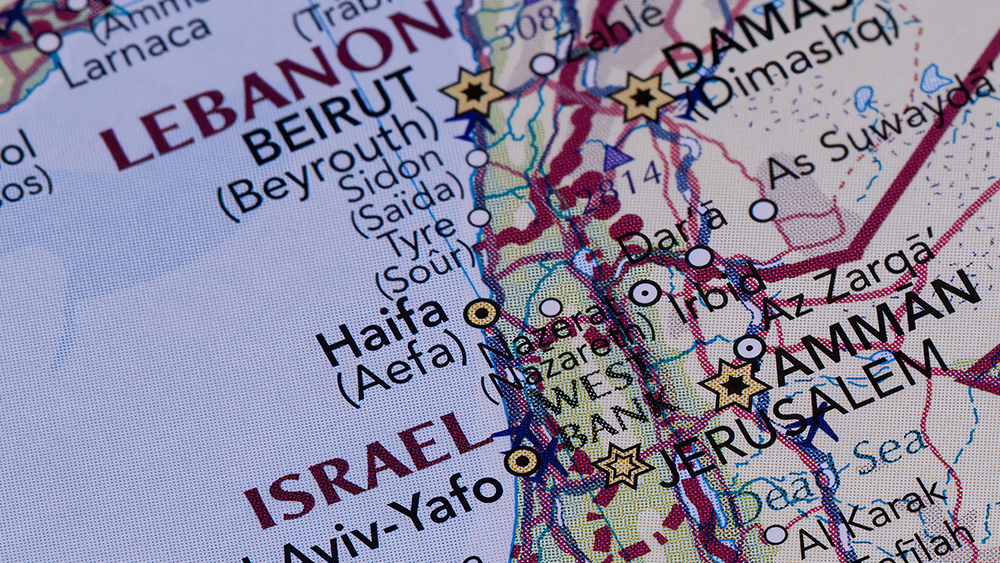
The calculus for China and the global market has been violently upended by open conflict involving Iran. Betting it can outlast international pressure, the Iranian regime has adopted a strategy of targeting global energy infrastructure to inflict economic pain. A central pillar of this approach is threatening the Strait of Hormuz, the narrow waterway through which about 25% of the world's seaborne oil trade passes. Iranian officials have explicitly warned that continued military action against them could push oil prices above $200 per barrel. The regime has backed this threat with actions, effectively closing the strait to most traffic and launching missile and drone attacks on oil and gas facilities in neighboring Gulf states, including Saudi Arabia's critical Ras Tanura facility and Qatar's major liquefied natural gas terminal.
Ripple effects and global market volatility
The disruption has immediate and severe consequences:
- Global oil prices have experienced extreme volatility, spiking to multi-year highs.
- Key U.S. allies in Europe and Asia, heavily dependent on Middle Eastern energy, face potential supply crises and economic strain.
- The U.S., while a net petroleum exporter and less vulnerable to supply shortages, has been forced to make temporary policy adjustments to stabilize markets. This includes issuing a short-term waiver allowing Indian refineries to access stranded Russian oil, a measure explicitly described as a stopgap to counter "Iran’s attempt to take global energy hostage."
A new costly reality for Beijing
The convergence of enforced sanctions and regional war has severely undermined China's discount energy model. With Iranian exports disrupted and U.S. pressure complicating transactions with other sanctioned states, Beijing now faces the prospect of replacing a significant portion of its oil imports with supplies purchased at full market price. Analysts note this erodes a key economic advantage and increases China's exposure to global price volatility. The developments hand the U.S. additional leverage in upcoming diplomatic engagements, where long-term energy arrangements may be a point of negotiation.
A transformed strategic landscape
The ongoing turmoil underscores how energy security remains a potent weapon and a critical vulnerability in 21st-century geopolitics. Iran's attempts to wield control over global oil flows demonstrate the persistent risk posed by chokepoints like the Strait of Hormuz. Simultaneously, the disruption to China's sanctioned oil pipeline reveals the tangible, if sometimes unintended, consequences of sanctions regimes and military conflict on global trade patterns. As both Beijing and Washington prepare for potential talks, the reshaped energy landscape—where discounts have dried up and stability is premium—will form a crucial backdrop, proving that in international relations, economic pressures and security crises are inextricably linked.
Sources for this article include:





Please contact us for more information.