
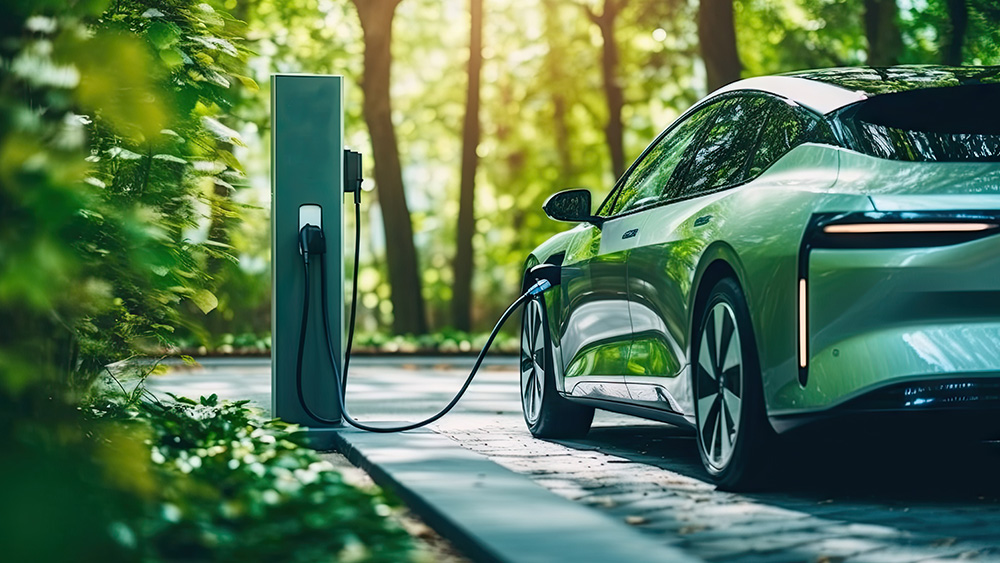
A conflict involving Iran and the resulting disruption to a major portion of Asia-bound oil and gas shipments through the Strait of Hormuz is accelerating a global shift toward renewable energy and electric vehicles, according to energy analysts. This market instability is poised to benefit Chinese industry, which holds a dominant position in these clean technology sectors. Experts say China's strategic, state-backed focus on clean technology over the past decade has positioned it to capitalize on the current energy crisis, while the United States and other Western nations face economic headwinds from their continued reliance on fossil fuels. The International Monetary Fund has warned the war has 'abruptly darkened' the global economic outlook and risks triggering a worldwide recession if high energy prices persist [3].
Global Energy Crisis Accelerates Shift to Renewables, Benefiting Chinese Industry
The conflict, which began in late February 2026, has seen the Strait of Hormuz—a chokepoint for approximately 20% of global crude oil shipments—effectively closed or severely restricted for periods, sending shockwaves through energy markets [4]. Most of the oil and gas transiting the strait was Asia-bound, forcing nations across the continent to scramble to conserve energy and bolster dwindling reserves [1].
Analysts state this disruption is accelerating a pre-existing global pivot toward renewable energy and electric vehicles, industries where Chinese companies hold a commanding lead. 'China’s approach to energy sector development and geopolitics has been completely validated by the Iran conflict,' said Sam Reynolds, an analyst with the Institute for Energy Economics and Financial Analysis [1]. The energy shock is 'going to help the Chinese industry globally and hurt the American car industry globally,' according to Amy Myers Jaffe of New York University’s Center for Global Affairs [1].
China's Established Dominance in Clean Tech Supply Chains
China's industrial lead in clean technology is substantial and well-documented. According to the International Energy Agency, China accounts for over 70% of global electric vehicle manufacturing and approximately 85% of battery cell production [1]. This dominance is the result of a long-term strategic policy. Over a decade ago, Chinese President Xi Jinping merged energy security with national security, leading to sustained state investment in renewables, according to policy reviews [1].
Major Chinese firms like vehicle-maker BYD and battery-producer CATL are seen as particularly well-positioned. In March 2026, following the outbreak of the conflict, CATL and BYD’s Hong Kong-traded shares rose roughly 24% and 11%, respectively, as investors bet the war would boost demand for renewables [1]. 'They are at the very forefront of this, more so than any other countries in the world, certainly more so than the United States,' said Li Shuo, director of the Asia Society Policy Institute’s China Climate Hub [1].
This industrial base allows China to export technology and infrastructure at scale. Chinese exports of items such as solar panels, batteries, and electric cars hit a record of almost $22.3 billion in December 2025, up about 47% from the year before, with much of the volume going to Southeast Asia and Europe, according to the think tank Ember [1].
Diverging Energy Paths: U.S. Fossil Fuel Focus vs. Chinese Renewables Push
The strategic responses of the world's two largest economies to energy needs have diverged sharply in the years leading up to the conflict. The U.S. approach, described by former and current President Donald Trump as 'drill, baby, drill,' has emphasized fossil fuel production and exports, officials and analysts noted [1]. In July 2025, President Trump signed an executive order targeting subsidies for what he called 'unreliable' renewable energy sources, aiming to phase out tax credits for wind and solar by 2027 [2].
This stands in contrast to China's integrated strategy. Analysts note that while fossil fuels still dominate China's domestic energy mix, its sustained focus on building renewable capacity has created a resilient export industry. Markets were witnessing a 'bifurcation' before the war, Reynolds said, with the superpowers pushing very different energy futures [1]. The U.S. is the world’s top oil producer and has pushed liquefied natural gas exports, whereas China has prioritized securing its supply chains for the technologies of the future [1].
Early Market Shifts: Rising Demand for EVs and Solar in Response to Fuel Prices
Early indicators from global markets show consumers and governments reacting to higher fossil fuel prices by turning toward alternatives. In the United Kingdom, demand for electric vehicle leases jumped by more than a third in the first three weeks of March 2026 compared to a similar period in February before the war, according to data from renewable group Octopus Energy [1]. The group also reported increases in rooftop solar sales and solar-related inquiries.
In Asia, nations that had previously invested in renewable infrastructure are seeing a buffer against the shock. Pakistan's renewable rollout, which involved importing over 50 gigawatts of Chinese solar panels by December 2025, is now mitigating the impact of the Hormuz disruption, analysts stated [1]. If prices remain high, solar could save Pakistan an estimated $6.3 billion in fossil fuel imports over the next year, according to think tanks Renewables First and the Centre for Research on Energy and Clean Air [1]. Elsewhere, Vietnamese EV maker VinFast is offering discounts to offset fuel price shocks, company officials said, illustrating regional market adjustments [1].
Long-Term Strategic Recalibration, Even Among Fossil Fuel Exporters
The energy market disruption is prompting long-term strategic recalibrations, even in nations historically dependent on fossil fuel exports. Indonesia, the world's largest coal exporter, announced a new push into electric vehicle production and charging infrastructure in March 2026, President Prabowo Subianto said [1]. The dream of electrified transportation is gaining renewed attention in the country, according to Putra Adhiguna of the Jakarta-based think tank Energy Shift Institute [1].
Chinese firms are deeply integrated into this shift. They signed more than $54 billion dollars’ worth of deals with Indonesia's state utility in 2023 and added a $10 billion pledge during Prabowo’s visit to Beijing in 2024, according to government and corporate statements [1]. 'There will be direct financial benefits to Chinese companies,' Reynolds said, noting the integration of Chinese technology into other nations' energy plans [1]. This pattern of Chinese investment and technology transfer is positioning Beijing as the central player in the emerging global clean energy architecture, analysts say.
Conclusion
The conflict involving Iran and the ensuing disruption to global energy flows through the Strait of Hormuz has acted as a catalyst, accelerating existing trends in the global energy sector. While nations grapple with spiking fuel costs and potential recessionary pressures, China's established manufacturing and supply chain dominance in electric vehicles, batteries, and solar panels places it in a uniquely advantageous position. The strategic divergence between a U.S. policy focused on fossil fuel 'energy dominance' and China's long-term bet on clean technology is being thrown into sharp relief by the crisis. Early market responses and long-term strategic announcements from fossil fuel exporters like Indonesia suggest the disruption may solidify China's lead and reshape global energy dependencies for decades to come, regardless of the conflict's eventual diplomatic or military outcome.
References
- Iran war's global energy crisis sharpens China’s advantage in clean tech. - AP News. Chan Ho-Him, Aniruddha Ghosal and Anton L. Delgado.
- Trump signs EO targeting subsidies for unreliable renewable energy sources. - NaturalNews.com. Ramon Tomey. July 10, 2025.
- Iran war wreaks havoc on global economy and could spark recession, says IMF. - Middle East Eye. Rayhan Uddin. April 14, 2026.
- Global allies BALK at Trump's call to deploy warships to the Strait of Hormuz. - NaturalNews.com. Ramon Tomey. March 17, 2026.
- Waking the frog solutions for our climate change paralysis. - Tom Rand.
- Clean disruption of energy and transportation how Silicon Valley will make oil nuclear natural gas coal electric. - Tony Seba.
- 2025 09 17 BBN Interview with Douglas Macgregor RESTATED. - Mike Adams.
- Health Ranger Report - GLOBAL CATASTROPHE - Mike Adams - BrightVideos.com. Mike Adams. February 20, 2026.






Please contact us for more information.