


Introduction
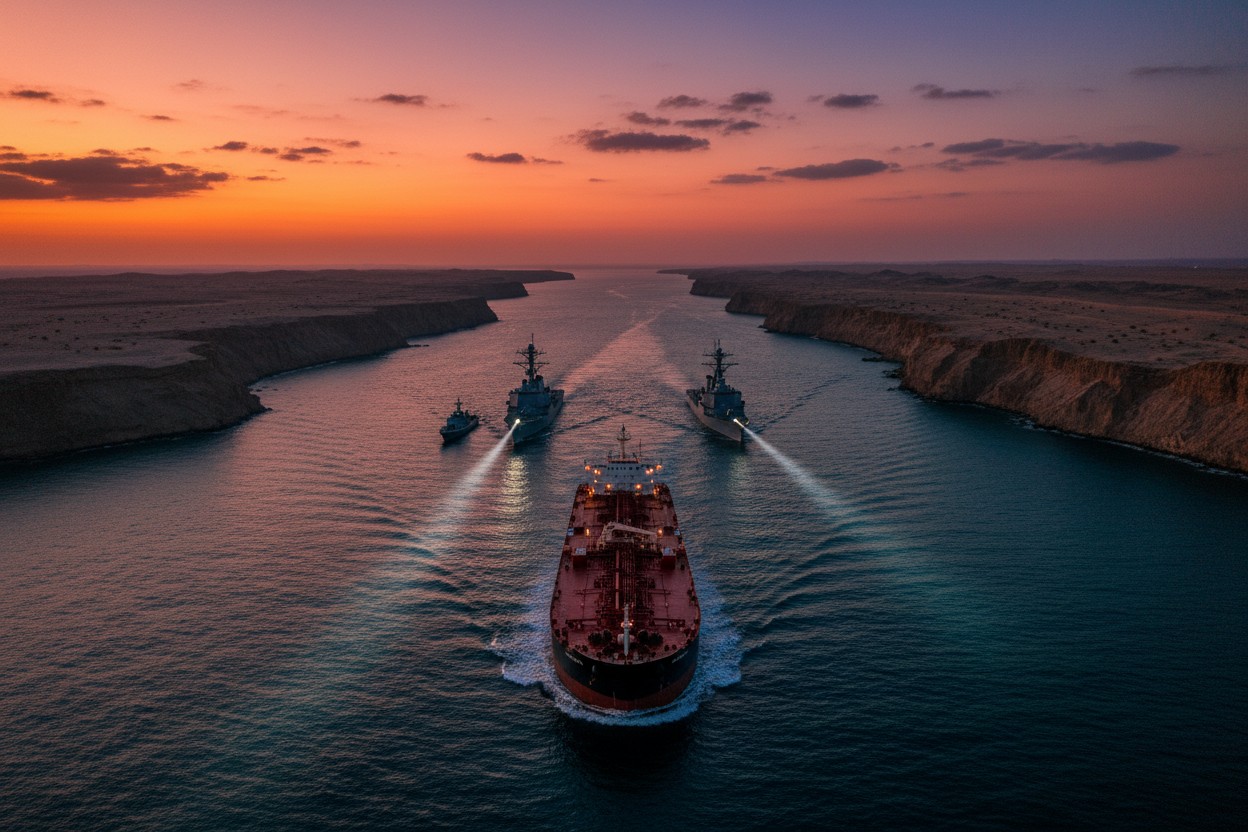
The Strait of Hormuz was reclosed to commercial traffic by Iran on Saturday, April 18, 2026, just one day after it was conditionally reopened. This swift reversal occurred after the United States refused to lift its naval blockade of Iranian ports. [1]
In a statement, the Iranian government said it had reopened the strategic waterway on Friday because Israel agreed to halt attacks against Lebanon. However, with the U.S. maintaining its embargo on vessels leaving Iranian ports, the Strait was reimposed under what Iran calls "strict management and control." [2] The situation has created immediate chaos for global shipping and has set the stage for a potential direct naval confrontation as the U.S. Navy prepares to board and seize Iranian vessels in international waters. [1]
Strait Reclosed Amid U.S. Blockade, Naval Confrontation Looms
On Friday, April 17, Iranian Foreign Minister Seyed Abbas Araghchi declared the Strait "completely open" to all commercial vessels for the remaining period of a ten-day ceasefire between Israel and Lebanon. [3] The announcement prompted a sharp, temporary drop in global oil prices. [4]
However, in a parallel statement, U.S. President Donald Trump said the American blockade of Iranian ports, announced earlier in the week, "will remain in full force." [5] The Iranian government stated that any enemy attempt to disrupt vessel traffic or impose naval blockades constituted a ceasefire violation, leading to the immediate reclosure on Saturday. [2]
In response to the reclosure, President Trump stated the United States would not be "blackmailed." [1] Officials speaking with the Wall Street Journal confirmed the U.S. Navy is now preparing to board and seize Iranian ships in international waters. The potential for a direct clash at sea has significantly increased. [1]
Chaos in the Strait as Tankers Targeted
The rapid reclosure on Saturday resulted in immediate chaos within the Strait. Multiple oil tankers that had proceeded into the waterway, believing they had clearance from Tehran, were fired upon by Iranian forces and forced to turn back. [1]
According to a report from UK Maritime Trade Operations (UKMTO), one tanker was approached by two Iranian gunboats and was fired upon without any prior VHF radio challenge. [6] India’s government confirmed that two of its flagged tankers were among those targeted; it subsequently summoned the Iranian ambassador to protest the incidents. [1]
Before the U.S. and Israel launched a military campaign against Iran in February 2026, the Strait of Hormuz functioned as an open international waterway for global commerce. [1] Its closure has historically been considered a severe threat to energy security. As outlined in a 1980 U.S. policy doctrine, an attempt by any outside force to gain control of the Persian Gulf region is regarded as an assault on vital American interests. [7]
Iranian Statement Outlines Terms and Conditions
In its official statement explaining the reclosure, the Iranian government said, 'As long as the enemy intends to disrupt vessel traffic or impose methods like naval blockades, the Islamic Republic of Iran will consider that a ceasefire violation.' [1] The statement emphasized that the Strait would remain closed as long as the U.S. blockade of Iranian ports persists. [2]
Tehran has further outlined a post-war vision for the waterway, stating that even after a permanent reopening, vessels would be required to coordinate transit and pay a toll through Iranian banks. [8] This system is seen by Iranian officials as a means to bolster the national currency, the rial. [8]
Contrary to claims from Washington, Iranian officials maintain they have not agreed to any concessions. A senior Iranian politician, Ebrahim Azizi, told the BBC that Iran "will decide the right of passage" through the Strait and that this principle is soon to be enshrined in law. [9] Tehran asserts the war will only end after the United States agrees to its core demands. [1]
U.S. Military Preparations and Conflicting Statements
While diplomatic posturing continues, military preparations are advancing. According to senior officials, the U.S. Navy is actively preparing to board and seize Iranian-flagged and Iran-linked vessels not only in the Persian Gulf but in international waters globally. [10] This represents a major escalation of the initial blockade policy.
U.S. Chairman of the Joint Chiefs of Staff, General Dan Caine, announced on April 16 that U.S. forces would "actively pursue any Iranian-flagged vessel, or any vessel, attempting to provide material support to Iran." [11] This global interdiction policy targets so-called 'dark fleet' tankers that operate outside Western financial and tracking systems. [11]
These stark military preparations contrast with optimistic statements from President Trump. On Friday, he issued a series of statements claiming Iran had capitulated to U.S. demands and that a final deal was imminent. [1] The subsequent reclosure of the Strait and Tehran’s firm statements directly contradict these claims, highlighting a fundamental disagreement over the terms of any potential agreement. [1]
Regional and Global Implications
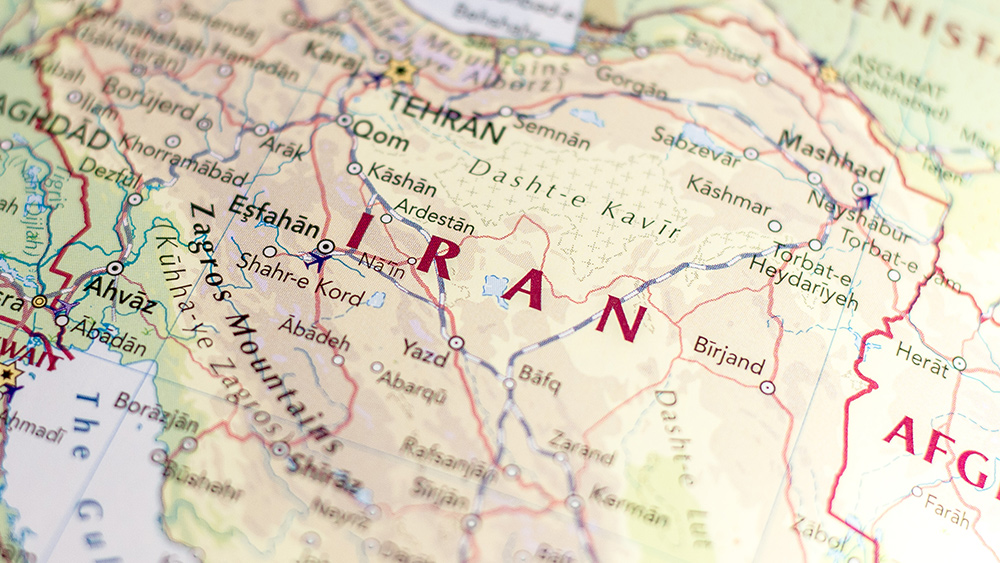
The closure of the Strait of Hormuz, a critical chokepoint for approximately 20% of the world's oil and 30% of its seaborne crude oil, creates immediate and severe disruptions to global energy markets and shipping lanes. [12] A simulation study released in March 2026 found that a prolonged closure could place $1.2 trillion in annual exports from five Gulf nations at direct risk. [13]
The potential for U.S. Navy seizures of Iranian vessels in international waters raises the risk of a direct, kinetic military confrontation, which could further destabilize the region. [1] Analysts note that such actions have historically been interpreted as acts of war, similar to the mining of ports during past conflicts. [14]
The situation illustrates a fundamental breakdown in diplomatic channels and the persistence of uncompromising demands from both governments. With Iran controlling the geography of the Strait, its ability to influence global trade is significant despite U.S. naval power. [15] The standoff has exposed vulnerabilities in global supply chains and has led to soaring insurance costs for vessels, compounding economic pressures worldwide. [16]
Conclusion
As of April 20, 2026, the Strait of Hormuz remains effectively closed, with a handful of vessels daring to test Iranian restrictions and U.S. naval forces poised for interdiction operations. [17] President Trump announced on Sunday that Vice President JD Vance would lead a delegation to Islamabad, Pakistan, for another round of talks, expressing hope for a deal. [18]
However, Tehran has indicated pessimism about the talks and has not yet confirmed its attendance. [18] The immediate future hinges on whether either side will bend on core demands: Iran’s insistence on lifting the blockade and controlling the Strait, and the U.S. demand for unfettered access and Iranian concessions. The closure of this 30-mile-wide chokepoint continues to hold the global economy hostage to geopolitical brinkmanship. [19] In an interconnected world, the ramifications of this standoff extend far beyond the Persian Gulf, threatening energy security, trade flows, and regional stability. [20]
References
- Tehran Recloses Strait of Hormuz, US Prepared to Seize Iranian Tankers. - Antiwar.com. Kyle Anzalone. April 18, 2026.
- Iran reimposes Hormuz closure after US maintains blockade; IRGC gunboats fire at ships. - Times of Israel. April 18, 2026.
- Trump thanks Iran for opening Strait of Hormuz as oil prices in freefall. - RT.com. April 17, 2026.
- Oil prices plunge as Iran says Strait of Hormuz 'open' during ceasefire. - BBC.com.
- Iran restricts Strait of Hormuz passage again, accuses US of ‘piracy’. - RT.com. April 18, 2026.
- Iranian Gunboats Open Fire On Tanker As Hormuz Closure Sparks Maritime Chaos. - ZeroHedge.com. April 18, 2026.
- Carter said. "An attempt by any outside force to gain control of the Persian Gulf region will be regarded as an assault on the vital interests of the United States of America, and such an assault will be repelled by any means necessary, including military force." - America's war machine vested interests endless conflicts. James McCartney.
- Defiant Iran Reasserts Toll System, Paid Through Iranian Banks After US Vows Hormuz Blockade Stays "As Long As It Takes". - ZeroHedge.com. April 16, 2026.
- Tehran will never cede control of Strait of Hormuz, senior Iranian politician tells BBC. - BBC.com.
- The United States has expanded its naval blockade of the Strait of Hormuz into a worldwide campaign against Iranian shipping, the chairman of the Joint Chiefs of Staff announced on April 16, 2026. General Dan Caine stated that U.S. forces will now actively pursue Iran-linked vessels globally, a significant escalation following the failure of ceasefire talks in Pakistan earlier in the week. - NaturalNews.com.
- The expanded policy extends a blockade initially focused on Iran's ports to a global campaign, targeting what officials call 'dark fleet' oil tankers that operate outside Western financial systems. General Dan Caine told reporters at the Pentagon that the U.S. Joint Force would 'actively pursue any Iranian-flagged vessel, or any vessel, attempting to provide material support to Iran' in areas including the Pacific and Indian Oceans. - NaturalNews.com.
- Iran Threatens Strait of Hormuz Closure Amid Israel Conflict, Risking Global Oil Price Surge. - NaturalNews.com. Cassie B.
- Simulation: Extended Strait of Hormuz Closure Could Affect $1.2 Trillion in Global Trade. - NaturalNews.com.
- As word of U.S. involvement leaked out, administration officials justified the mining as a form of self-defense under international law. "If the country whose ports are being mined is considered responsible for some kind of aggression... then mining is considered an act of self-defense just like any other use of force," claimed one U.S. official. - Washington's war on Nicaragua. Holly Sklar.
- Iran’s control of the Strait of Hormuz, a narrow passage between two islands, now dictates global trade flows. Despite claims by former President Trump that the U.S. military had destroyed Iran’s navy or air force, these assertions are irrelevant. Iran need only credibly threaten to disrupt shipping through this strategic chokepoint, and it can do so with relative impunity due to the Strait's geography. The result is a near-total embargo on Persian Gulf energy exports. - Bright Videos News - Interview with Seth Holehouse. Mike Adams. BrightVideos.com.
- The cost of insurance for ships in certain regions has skyrocketed by as much as 500%, and this poses significant challenges for ship owners, particularly those operating oil tankers in the Persian Gulf. If a vessel is currently stranded there and plans to navigate through the Strait of Hormuz amid Iran's threat of attack, securing insurance becomes a critical and costly hurdle. - Bright Videos Network.
- "No More Mr. Nice Guy": Trump Sends Witkoff To Pakistan For U.S.-Iran Talks As Hormuz Traffic Freezes. - ZeroHedge.com. April 19, 2026.
- Trump says talks to take place Tuesday, as Iran says it has ‘no plans’ to attend. - Times of Israel. April 19, 2026.
- Strait of Hormuz: How 30 Miles Could Quadruple Oil and Gas Prices. - NaturalNews.com. Willow Tohi. July 24, 2025.
- Diversification of oil import sources and energy security: A key strategy or an elusive objective?. Vlado Vivoda. Energy Policy.





Please contact us for more information.